
Landscaping
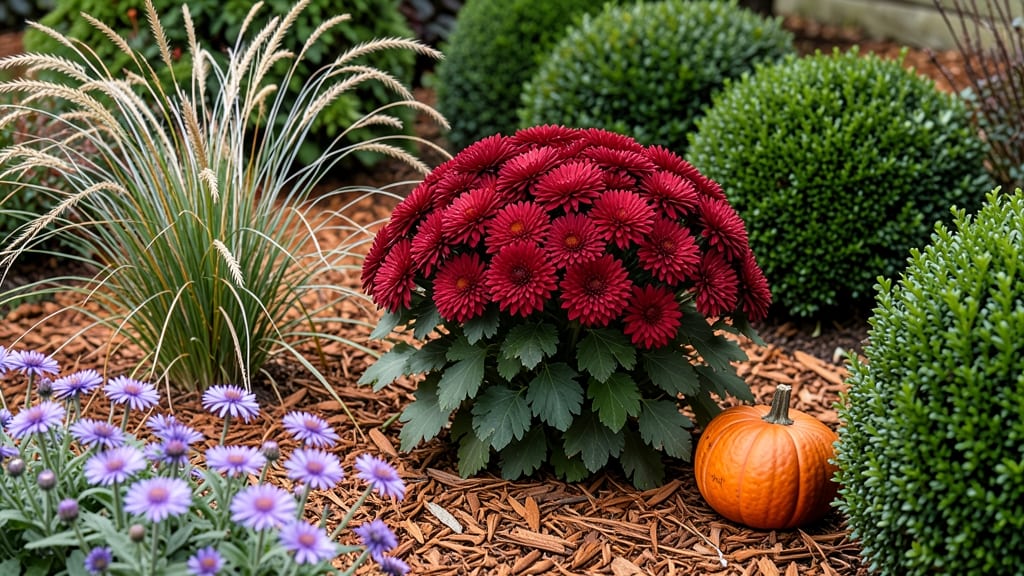
A fall flower bed design could look like a painter’s palette—rich, layered, and impossible to ignore. 🌿 The secret lies in mixing textures, heights, and colors that stand out when everything else fades to brown.
I’ve designed beds that stay vibrant through frost by pairing bold foliage with late-blooming flowers, and the results never disappoint. Start with a 3-tiered structure: tall grasses like little bluestem for drama, mid-height shrubs like hydrangeas, and low mounds of heuchera or sedum for texture.
Add pops of color with black-eyed Susans, asters, and mums—they’ll keep blooming until snow flies. The key? Contrast: deep purples next to fiery oranges, silvery foliage against gold.
By late October, your bed will be the neighborhood’s star—vibrant even in chill air—while requiring less watering than spring blooms. The best part? It’s easier than it looks. Even my first attempt (which I almost let my neighbor see) turned heads.
Works in full sun or partial shade, and adapts to containers if space is tight. Let’s make your yard the talk of the block this autumn!
📚 In This Guide
- What you need
- Instructions
- Tips and common mistakes
- Wrapping up and next steps
What you need
- ● Fall-blooming flowers: Choose a mix of perennials and annuals like mums (chrysanthemums), asters, sedum, ornamental kale, and fall crocus. Aim for 3-5 varieties for texture and color contrast.
- ● Soil amendments: Compost (1–2 bags, 2–3 cubic feet per 10 sq. ft. of bed)
- ● Slow-release fertilizer (e.g., 10-10-10, 1 lb per 10 sq. ft.)
- ● Mulch: Shredded bark or straw (2–3 inches deep, enough to cover the entire bed).
- ○ Edging materials (optional but recommended): Metal, plastic, or stone edging (length = perimeter of bed + 10%)
- ● Landscape fabric (1 roll for small beds, 2+ for larger areas)
- ● Digging tools: Garden trowel (1)
- ● Garden fork or spade (1)
- ● Hoe (1, for weeding)
- ● Measuring & marking: Measuring tape (25 ft.)
- ● Stakes & string (4–6 stakes, 50 ft. string)
- ● Planting helpers: Gloves (1 pair)
- ● Hand pruners (1)
- ● Watering can or hose with spray nozzle (1)
- ○ Optional (but handy!): Wheelbarrow (1, for hauling soil/mulch)
- ● Knee pads (1 pair)
- ● String trimmer (1, for shaping edges)
- ● Location: Choose a spot with 6+ hours of sunlight (adjust for shade-tolerant plants if needed). Ensure good drainage—avoid low-lying areas!
- ● Bed size: Plan dimensions (e.g., 4’x6’ for a small bed, 8’x10’ for a statement piece). Sketch a rough layout!
- ● Planting timeline: Early fall (Sept–Oct): Plant perennials and hardy annuals.
- ● Mid-fall (Nov): Add ornamental grasses and late-blooming flowers.
- ● Local regulations: Check for permit requirements if altering hardscape (e.g., removing pavement).
Instructions for crafting a striking fall flower bed
Here's how to layer plants for bold autumn color that lasts through frost.
🌿 Step 1: Plan Your Height Layers for Maximum Impact
Start by mapping three distinct layers: backdrop plants (2-3 feet tall), mid-height fillers (1-2 feet), and foreground accents (under 12 inches). I like to sketch a simple vertical cross-section—this helps visualize how light will filter through each layer as leaves change color. For example, place goldenrod or black-eyed Susan at the back where they'll catch late-season sun, then add mums and sedum in the middle, finishing with heuchera or coral bells up front.
Space taller plants 18-24 inches apart to allow airflow (critical for preventing fungal diseases in damp fall weather). I always stagger taller specimens so no one plant blocks another's autumn foliage from view. This creates a natural, cascading effect that feels intentional rather than crowded.
☀️ Step 2: Select Plants With Contrasting Textures and Colors
Fall beds thrive on three-color combinations: warm (burnt orange, deep red), cool (purple, lavender), and neutral (silver, gold). Pair purple coneflower with copper-colored grass and white asters for instant contrast. I reach for plants with velvety foliage (like heuchera) alongside those with spiky blooms (such as Joe Pye weed) to add tactile variety.
Include at least one evergreen accent (like boxwood or holly) to anchor the design when other plants fade. This ensures your bed remains visually interesting even after the first frost. I also incorporate seed heads—they add unexpected texture and provide winter interest for birds.
💧 Step 3: Amend Soil and Plant for Seasonal Resilience
Before planting, mix 2-3 inches of compost into the top 6 inches of soil to improve drainage and nutrient retention. Fall beds need well-draining soil—waterlogged roots accelerate rot in cooler weather. I like to add a slow-release fertilizer (10-10-10) at planting time to give roots a head start before dormancy.
Plant in overcast conditions or late afternoon to reduce transplant shock. Water deeply (1-2 gallons per plant) immediately after planting, then mulch with 2-3 inches of shredded bark to insulate roots. This keeps soil temperatures stable and conserves moisture during fall's unpredictable rains.
✂️ Step 4: Prune and Deadhead Strategically
Remove spent blooms from perennials like black-eyed Susan and coneflower to redirect energy into root development. However, leave seed heads on native plants—they feed birds and add winter structure. I always prune after the first frost when plants have entered dormancy, cutting back one-third of the foliage to tidy without sacrificing next year's growth.
For annuals like mums, cut back stems to 6 inches once flowers fade. This encourages a second flush of blooms in some varieties and keeps the bed looking fresh longer. I mark pruned plants with small flags so I don't accidentally trim them again in spring.
🪴 Step 5: Maintain With Seasonal Adjustments
Reduce watering as temperatures drop—water only when soil feels dry 2 inches down. Overwatering in fall leads to root rot, especially for tender perennials. I monitor beds weekly for signs of stress: yellowing leaves often mean too much water, while crisp edges signal drought. Adjust accordingly.
Add late-season color boosters like pansies or kale in November for extra pop. These cold-hardy plants thrive when others fade. I also scatter fallen leaves (from disease-free trees) around the base of perennials—they decompose slowly, adding nutrients and insulating roots through winter.
Tips & tricks for perfect autumnal flower bed design
These pro strategies will help your fall garden shine through the season—without the guesswork.
Layering Secret: When sketching your vertical cross-section in Step 1, use a ruler to mark exact heights for each layer. This ensures your backdrop plants (2-3 feet) won't overshadow mid-height fillers (1-2 feet) as leaves change color. I always add a 45-degree angle line to my sketch to visualize how sunlight will filter through each layer at different times of day—this makes all the difference in autumn when light shifts dramatically.
Plant Spacing Hack: The 18-24 inch spacing for taller plants in Step 1 might feel generous, but trust me—it's worth it. I've learned this the hard way after seeing fungal diseases spread in crowded beds during damp fall weather. For extra airflow, I use a garden hose to trace circles on the ground before planting, then place each plant at the center of its circle. This creates perfect spacing without measuring each time.
Color Theory Shortcut: For instant contrast in Step 2, think of your fall palette as a color wheel: pair warm tones (burnt orange, deep red) with cool tones (purple, lavender) and neutrals (silver, gold). I keep a small color chart in my gardening notebook and mark which plants belong to which category. For example, purple coneflower (cool) next to copper-colored grass (warm) creates that signature autumn pop we all love.
Seasonal Maintenance Tip: The weekly monitoring in Step 5 is crucial, but don't rely solely on your eyes. I keep a small trowel handy to gently scrape back mulch and check soil moisture 2 inches down—this is the only reliable way to tell if you're overwatering or underwatering. In fall, I've found that tender perennials often show crisp edges before they wilt, so I adjust watering immediately when I see that sign.
Pro Tips for Fall Flower Bed Design
- These pro strategies will help your fall garden shine through the season—without the guesswork.
- Layering Secret: When sketching your vertical cross-section in Step 1, use a ruler to mark exact heights for each lay...
- Plant Spacing Hack: The 18-24 inch spacing for taller plants in Step 1 might feel generous, but trust me—it's worth i...
Frequently asked questions
Got questions about crafting the perfect fall flower bed design? You’re not alone! Here are answers to the most common queries to help you create a stunning autumnal display with confidence.
What are the best flowers for a low-maintenance fall flower bed?
Opt for hardy, drought-tolerant perennials like sedum, heuchera, mums, and Russian sage. These thrive in cooler weather, require minimal upkeep, and offer vibrant colors. Pair them with seasonal annuals like pansies or kale for extra pop without the fuss!
When should I plant my fall flower bed for the best results?
Start planting 6–8 weeks before your first frost (typically late summer to early fall). This gives roots time to establish before winter. For annuals, wait until after the last frost in spring—though fall-planted perennials often bloom earlier the following year!
How can I add height and texture to my fall flower bed?
Layer plants by height: back row (tall grasses, shrubs like hydrangeas), middle (mums, ornamental grasses), and front (low-growing ajuga or heuchera). Add texture with spiky plants (like switchgrass) or ruffled foliage (e.g., coral bells) for contrast.
Are there budget-friendly ways to create a fall flower bed?
Use divided perennials (cheaper than new plants), seed packets for annuals, or repurpose containers (terracotta pots, old troughs). Thrift stores often sell affordable planters too. Mulch with fallen leaves or straw to save on materials while retaining moisture.
How do I keep pests away from my fall flowers?
Prevent pests with neem oil (spray on leaves) or diatomaceous earth (natural barrier). Encourage beneficial insects like ladybugs by planting marigolds or lavender. Avoid overwatering—wet soil attracts slugs. A light layer of gravel around plants can deter crawling pests too!
Wrapping up and next steps
Designing a fall flower bed is all about embracing the season’s natural beauty—rich colors, textures, and contrasts that make your outdoor space feel cozy and vibrant. 🍂 By layering plants with varying heights, hues, and foliage, you create a dynamic display that thrives even as temperatures drop.
Whether you’re a seasoned gardener or just starting out, this guide gives you the confidence to craft a bed that pops with seasonal charm.
Ready to transform your yard? Grab your tools, sketch a rough layout, and start planting! Your future fall garden will thank you—one stunning bloom at a time. 🌸