
Flowers
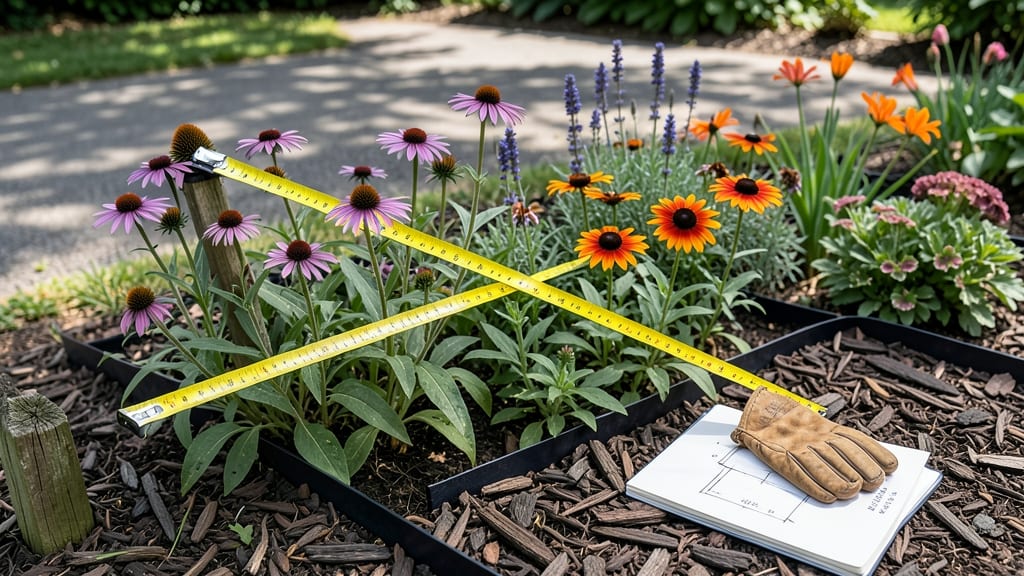
Flower bed size matters for healthy growth and visual appeal: small beds (3x3 feet) suit herbs or dwarf varieties, medium beds (4x6 feet) accommodate perennials, and large beds (6x8+ feet) work for shrubs or trees. Always ensure 12-24 inches of soil depth for proper root development.
Choosing the right flower bed dimensions directly impacts how well your plants thrive. 🌸 For example, small beds create intimate spaces perfect for pollinators like bees, while larger beds allow for dramatic seasonal displays.
The key is balancing plant spacing with your garden's layout—crowding stunts growth, but too much space wastes soil and water. I've found that adding mulch to larger beds helps retain moisture and regulate temperature, which is especially helpful in hot climates.
Another consideration is accessibility. Medium-sized beds (4x6 feet) are ideal for most home gardens because they're easy to reach from all sides without trampling plants. For larger shrubs or trees, consider creating layered beds with different depths—this mimics natural forest conditions and encourages stronger root systems.
Always measure twice before digging to avoid overcommitting to a size that won't work with your available space!
💡 In This Article
- How Flower Bed Dimensions Affect Plant Growth and Soil Health
- Designing Flower Beds by Size: Layouts for Small, Medium, and Large Gardens
How flower bed dimensions affect plant growth and soil health
The width-to-depth ratio of your flower bed creates a microclimate that directly impacts root health. Plants with shallow roots like annuals (such as marigolds) thrive in beds that are 12-18 inches deep—this prevents soil compaction while allowing quick access to moisture.
In contrast, perennials like lavender need 18-24 inches of depth to establish strong taproots that reach deeper water tables during drought. The science here involves soil aeration: wider beds (over 3 feet) risk forming anaerobic zones in the center where roots suffocate from lack of oxygen.
Consider how moisture retention varies by bed dimensions. A 3x3-foot bed dries out faster than a 4x6-foot bed because of its smaller surface area-to-volume ratio—this is why small beds require more frequent watering.
The edges of beds also play a role: plants along borders receive more sunlight and wind exposure, which can stress delicate varieties like impatiens.
For shrubs or trees, beds wider than 6 feet need internal pathways to prevent soil compaction from foot traffic, while maintaining 24-inch depth ensures roots have space to spread horizontally and vertically.
Soil nutrient distribution changes dramatically with bed size. In narrow beds (2 feet wide), nutrients concentrate near the edges where plants compete fiercely for resources—this is why soil tests are critical for small spaces.
Wider beds (4 feet or more) allow for layered planting where tall plants (like delphinium) shade the soil, reducing evaporation while maintaining cooler root zones.
The key is creating a "soil pyramid": the deepest, most fertile soil should be in the center of larger beds where the most nutrient-demanding plants (like roses) reside.
Texture also matters—coarse mulch works better in large beds to prevent soil crusting, while fine mulch suits small beds where moisture retention is critical.
For example, a 3x3-foot bed filled with 1 inch of shredded bark mulch will maintain 80% soil moisture longer than a 6x8-foot bed with the same mulch depth. This is why professional gardeners often use different mulch types based on bed dimensions and plant needs.
One common mistake is assuming all plants need the same depth. Bulbs like tulips only require 6-8 inches of soil, while deep-rooted plants like peonies need 24+ inches. This is why layered beds—where different plant types occupy distinct soil depths—are so effective.
For instance, a 4x6-foot bed could have shallow-rooted salvia in the front, medium-depth coneflowers in the middle, and deep-rooted black-eyed Susans at the back, all thriving in the same space.
Finally, consider how bed dimensions affect seasonal performance. In winter, small beds freeze and thaw more quickly than large ones, which helps prevent root heave in perennials.
In summer, larger beds create microclimates where shade-loving plants (like hostas) can coexist with sun-lovers (like daylilies) by strategically placing them based on their light requirements. The right dimensions aren't just about aesthetics—they're about creating an ecosystem where every plant can thrive.