
Tools
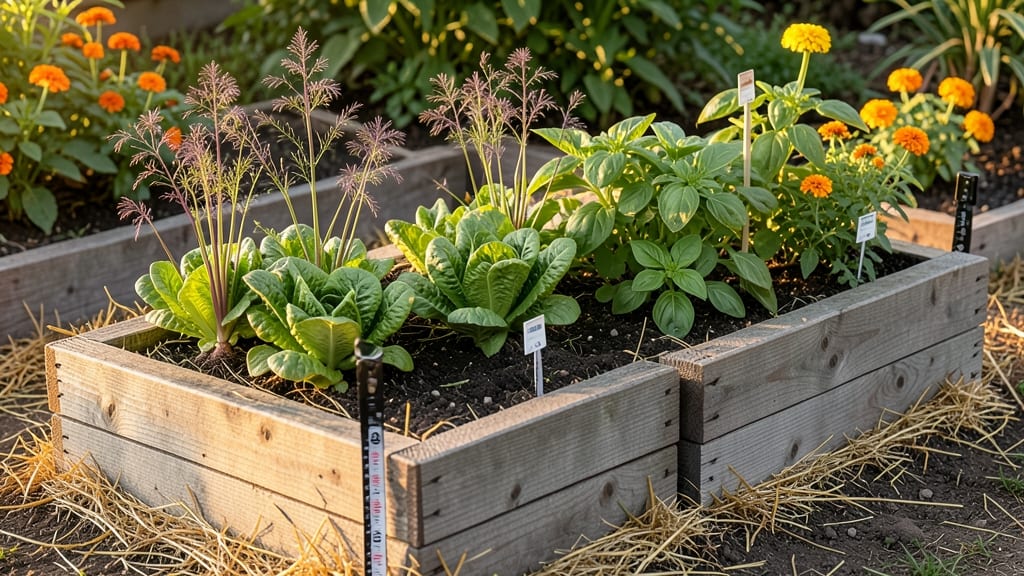
Determining garden bed height depends on your plants: vegetables need 6 to 12 inches deep for proper root development, while herbs and flowers do well in shallower beds of 4 to 8 inches. Raised beds or mounded soil create better drainage and easier maintenance for any garden type.
Getting the right garden bed height means balancing root needs with practical growing conditions. 🌱 Deep beds (9-12 inches) let root vegetables like carrots and potatoes spread freely, while shallower beds (4-6 inches) work perfectly for shallow-rooted herbs and flowers.
The key is matching plant types to bed depth—this prevents stunted growth and makes harvesting easier. I've found that adding compost or aged manure to deeper beds boosts fertility without compacting soil, while lighter, well-draining mixes suit shallow-rooted plants better.
Raised beds take this concept further by giving you control over soil quality and drainage. They're especially helpful in clay-heavy or poorly draining areas, where water pools and roots suffocate.
For vegetables, I recommend building beds at least 10 inches tall to accommodate root crops, while herb and flower beds can be slightly lower. The extra height also reduces back strain when tending plants—something I appreciate after years of gardening!
💡 In This Article
- How Root Depth and Soil Type Affect Garden Bed Height
- Designing Functional Raised Beds for Vegetables, Herbs, and Flowers
How root depth and soil type affect garden bed height
The depth of your garden bed directly impacts root development and plant health. Root vegetables like carrots, beets, and potatoes need 9-12 inches of loose soil to grow properly—shallow beds force roots to grow sideways, resulting in deformed produce.
For example, a carrot planted in a 6-inch bed will develop a thickened, gnarled shape because its roots can't extend downward.
The science here involves soil aeration: deeper beds allow roots to access oxygen and nutrients more efficiently, which is why larger plants like tomatoes and squash also thrive in taller beds.
Soil composition plays a crucial role too. Sandy soils drain quickly but lack nutrients, while clay soils retain moisture but suffocate roots. The ideal bed height compensates for these extremes—10-12 inches of well-amended soil (with compost or aged manure) creates the perfect balance.
For instance, in heavy clay areas, a raised bed with 12 inches of loamy soil prevents waterlogging while providing drainage. The texture of the soil also affects root penetration: coarse, rocky soil requires deeper beds to avoid root restriction, while fine, crumbly soil can support shallower depths for lighter plants.
Drainage is another critical factor. Poor drainage in shallow beds leads to root rot, especially for moisture-sensitive plants like lettuce or herbs. A bed that's only 4 inches deep may work for shallow-rooted flowers but fails for vegetables that need consistent moisture without waterlogging.
The solution? Raised beds with 6-8 inches of depth and a 2-inch layer of gravel or sand at the bottom improve drainage while maintaining fertility. This layer acts like a natural wicking system, pulling excess water away from roots.
Here's what happens when bed height doesn't match plant needs: stunted growth, poor yield, and increased susceptibility to pests. For example, radishes planted in 8-inch beds will develop properly, but the same radishes in a 4-inch bed may never fully mature.
The extra depth allows roots to access deeper moisture and nutrients, which is why professional gardeners often recommend 12-inch beds for high-value crops. The trade-off? Deeper beds require more soil preparation but pay off with healthier, more productive plants.
Consider this comparison: a 6-inch bed works for herbs like basil or thyme, whose roots rarely exceed 12 inches in depth, while a 12-inch bed is essential for deep-rooted vegetables like asparagus or parsnips.
The key is understanding your plants' root systems—most vegetable seeds come with planting depth guidelines, which align closely with ideal bed heights. For instance, parsley seeds should be planted 1/4 inch deep in a 10-inch bed, while potato eyes need 4 inches of soil cover to prevent greening.
One final tip: if you're working with existing garden beds, you can create mounds of soil to simulate deeper beds. Simply pile soil to 8-12 inches high and plant directly into the mound.
This method improves drainage and root space without requiring full raised bed construction. The mound's sloped sides also help prevent soil compaction from foot traffic—a common issue in flat garden beds.