
Planting
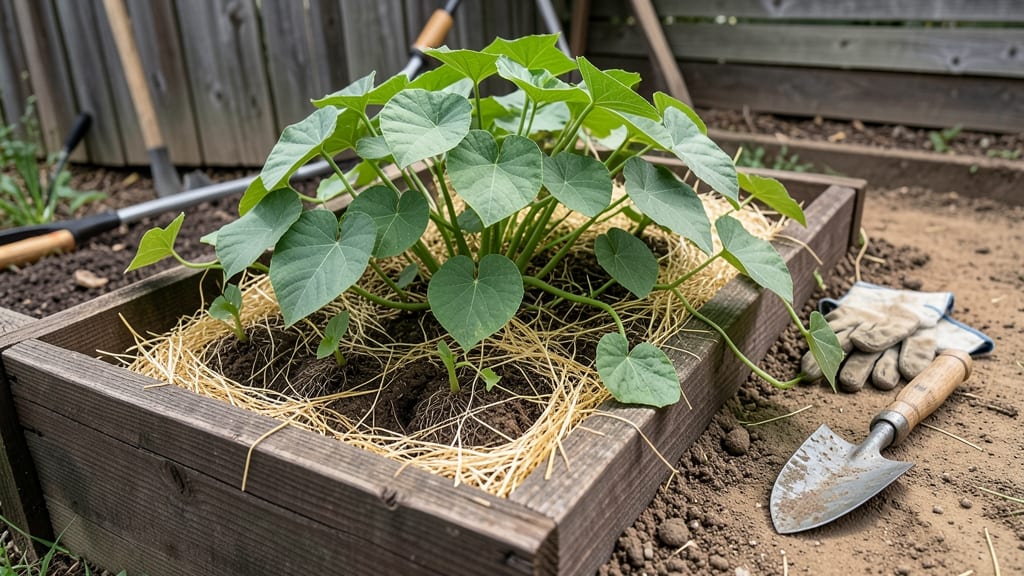
Sweet potatoes thrive when you give them 12 inches of deep, loose soil—and a raised bed makes that possible. 🌱 I learned the hard way that shallow garden beds mean stunted roots and smaller harvests.
The secret isn’t just depth; it’s the perfect mix of drainage, warmth, and organic matter that turns a good crop into an embarrassingly productive one.
Start with a 4-foot-wide by 8-foot-long bed (or smaller if space is tight) filled with a 50/50 mix of compost and topsoil. Sweet potatoes hate soggy roots, so add perlite or coarse sand if your soil drains poorly.
Plant slips (not seeds) in late spring after the last frost, spacing them 12-18 inches apart—this gives vines room to sprawl while keeping the bed manageable.
By midsummer, you’ll see lush, trailing vines and—if you’re lucky—tiny sweet potatoes forming at the base of the plant. The key is consistent moisture (not soggy soil) and full sun (at least 6-8 hours daily).
Prune vines back in early fall to redirect energy to root growth, and you’ll end up with smooth, plump tubers ready for harvest.
Raised beds also cut down on pests (no digging critters!) and make harvests easier—no bending over muddy soil. Just wait until the first frost, then gently lift the soil to reveal your treasure. Pro tip: Mulch heavily in summer to keep roots cool and prevent cracking.
📚 In This Guide
- What you need
- Instructions
- Tips and common mistakes
- Wrapping up and next steps
What you need
- ● Raised bed frame: 4x4 ft minimum (deeper is better! Aim for 12–18 inches deep to accommodate long roots). Use untreated wood (cedar or redwood) or composite lumber to avoid chemical leaching.
- ● Garden soil: 2–3 cubic feet per square foot of bed (sweet potatoes love loose, well-draining soil). Mix with compost or aged manure (ratio: 60% soil, 30% compost, 10% perlite/sand).
- ● Sweet potato slips: 2–3 healthy slips per square foot (choose disease-resistant varieties like 'Beauregard' or 'Georgia Jet').
- ● Organic mulch: Straw, grass clippings, or leaves (2–3 inches thick) to retain moisture and suppress weeds.
- ● Tools: Garden trowel or transplanting spade
- ● Gloves (to protect from prickly vines!)
- ● Watering can or hose with a gentle spray nozzle
- ● Pruners (for harvesting and maintenance)
- ● Soil amendments: Bone meal (1 tbsp per plant) or composted chicken manure for a phosphorus boost.
- ● Drip irrigation system: Automates watering and saves time (sweet potatoes need consistent moisture).
- ● Row covers: Lightweight fabric to protect slips from early pests or frost.
- ● pH test kit: Sweet potatoes thrive in slightly acidic soil (pH 5.8–6.5).
How to build and plant a raised bed for sweet potatoes
Sweet potatoes thrive in deep, loose soil—here’s how to create the perfect raised bed for maximum yields.
🪴 Step 1: Build the Raised Bed Frame
Use untreated lumber like cedar or redwood to build a rectangular frame at least 12 inches deep—sweet potatoes need room to grow long, unobstructed roots. I like 4-foot by 8-foot beds for easy access and even heat distribution. Cut four 2x12 boards to your desired length (8 feet) and four 2x12 boards to 12 inches for the sides. Assemble with galvanized screws or corner brackets for durability.
Elevate the bed 6-12 inches off the ground to prevent soil compaction and improve drainage. Place it in a spot with full sun (6+ hours daily)—sweet potatoes are heat lovers. If your soil is heavy clay, skip the bottom layer entirely to avoid suffocating roots. Line the inside with cardboard (no tape or staples) to block weeds before filling with soil.
🌱 Step 2: Fill with the Right Soil Mix
Sweet potatoes hate soggy soil but need consistent moisture. Fill the bed with a 50/50 mix of high-quality garden soil and well-aged compost (avoid fresh manure—it burns roots). I add a 2-inch layer of coarse sand at the bottom to improve drainage, especially in clay-heavy areas. Mix in a slow-release organic fertilizer (like 10-10-10) at planting time for steady nutrition.
Don’t pack the soil—fluff it like a cloud so roots can spread freely. Test moisture by squeezing a handful: it should hold together but not drip. If your soil drains too fast, add a 1-inch layer of coconut coir to retain moisture without suffocating roots. This mix ensures roots grow deep and strong, not shallow and stunted.
☀️ Step 3: Plant Sweet Potato Slips
Sweet potatoes grow from slips (young plants), not seeds. Plant them 2-3 weeks after your last frost when soil reaches 65°F or warmer. Space slips 12-18 inches apart in rows 3 feet apart for easy harvesting. Dig a 2-inch deep hole, place the slip in, and cover the roots lightly—don’t bury the top growth. Water deeply right after planting to settle the soil.
Here’s the trick: mulch heavily with straw or shredded leaves to keep soil warm and moist. Sweet potatoes are sensitive to cold—if night temps drop below 50°F, cover the bed with a frost blanket until danger of frost passes. You’ll see new leaves in 1-2 weeks—that’s your cue everything’s working.
💧 Step 4: Water and Maintain Through the Season
Water deeply 2-3 times per week, aiming for 1 inch of water total. Sweet potatoes are drought-tolerant but need steady moisture to grow large tubers. Water at the base of plants (never overhead) to prevent disease. You’ll know you’re doing it right when the soil feels damp 2 inches down but not soggy.
Weed aggressively—competition steals nutrients and stunts growth. Add a 2-inch layer of mulch every 4-6 weeks to retain moisture and suppress weeds. Avoid fertilizing after planting—too much nitrogen makes leaves grow wild at the expense of tubers. By mid-summer, you’ll see vines sprawling everywhere—that’s when the real magic happens underground.
⏰ Step 5: Harvest at Peak Maturity
Sweet potatoes are ready to harvest 90-120 days after planting, when vines turn yellow and die back. Use a fork or hands to gently loosen soil around the base of plants—never pull tubers by the stems. Brush off excess dirt and cure them in a warm (80°F), humid (80% humidity) spot for 10 days to develop sweetness. Store in a cool (55-60°F), dark place for long-term keeping.
Real talk: Don’t harvest too early—small tubers won’t sweeten properly. If frost threatens before harvest, cover the bed with straw or leaves to protect tubers until you can dig them up. With the right deep bed and care, you’ll pull pound after pound of sweet, starchy potatoes—worth every step!
Tips & tricks for perfect raised beds for sweet potatoes
Sweet potatoes reward patience and precision—here's how to optimize every step for bigger, sweeter harvests.
Depth Matters: That 12-inch minimum depth is non-negotiable for sweet potatoes. I've seen roots grow 2 feet long in perfect conditions—anything less restricts growth. If you're working with shallow soil, consider building a 24-inch deep bed for premium yields. The extra space lets tubers develop their full potential without crowding.
Soil Science: The 50/50 soil-to-compost mix is your foundation, but here's the secret: pre-mix your soil components in a wheelbarrow before adding them to the bed. This ensures even distribution of nutrients throughout the entire volume. For clay-heavy areas, mix in 1 part perlite to the 50/50 mix—it improves aeration without compromising moisture retention.
Planting Precision: When planting slips in those 2-inch deep holes, make sure the stem sits just above the soil line. Burying the stem too deep causes rot, while leaving it exposed can lead to weak growth. I like to use a small stick to create the hole and a popsicle stick to mark each planting spot—it keeps rows straight and spacing consistent.
Harvest Timing: The 90-120 day window is your sweet spot, but here's what to watch for: when the vines start dying back and the leaves turn yellow, that's your cue. For early varieties, you might harvest at 90 days—just check for firm, medium-sized tubers. For larger harvests, wait until 120 days or when frost threatens. The longer they grow, the sweeter they become!
Pro Tips for Raised Bed For Sweet Potatoes
- Sweet potatoes reward patience and precision—here's how to optimize every step for bigger, sweeter harvests.
- Depth Matters: That 12-inch minimum depth is non-negotiable for sweet potatoes. I've seen roots grow 2 feet long in p...
- Soil Science: The 50/50 soil-to-compost mix is your foundation, but here's the secret: pre-mix your soil components i...
Frequently asked questions
Got questions about growing sweet potatoes in raised beds? You’re not alone! Here are some of the most common queries—plus quick, actionable answers to help you grow like a pro.
How deep should my raised bed be for sweet potatoes?
Sweet potatoes need depth—aim for at least 12–18 inches of loose, well-draining soil. Deeper beds (up to 24 inches) are ideal for larger varieties like ‘Beauregard’ or ‘Georgia Jet.’ Fill the bottom with compost or aged manure to improve drainage and root space. Check our materials guide for soil mix tips!
When is the best time to plant sweet potatoes in a raised bed?
Timing is key! Plant slips (young plants) after the last frost when soil temps hit 60–65°F (usually late spring). In warm climates, you can plant as early as March; in cooler zones, wait until May or June. Avoid planting too early—cold soil stunts growth. Pro tip: Use a soil thermometer to monitor temps!
Can I grow sweet potatoes in a raised bed if I only have limited space?
Sweet potatoes thrive in small raised beds (even 3’x6’ works). Opt for bush varieties like ‘Hannah’ or ‘Bonita,’ which stay compact. Use vertical trellises or hanging baskets for vining types like ‘Porto Rico’ to save space. Just ensure the bed is deep enough—shallow beds = stunted roots!
How do I prevent pests (like wireworms or sweet potato weevils) in raised beds?
Pests hate clean, healthy soil! Start with sterile compost and avoid planting where nightshades (tomatoes, peppers) grew last year. Use row covers early in the season and handpick pests daily. Prevention tip: Interplant with marigolds or basil—they repel weevils naturally!
Why are my sweet potato leaves turning yellow, even though the bed looks healthy?
Yellow leaves often signal overwatering, poor drainage, or nutrient deficiencies. Check soil moisture—sweet potatoes hate soggy roots. Amend soil with potassium-rich fertilizer (like wood ash) or compost. If leaves curl, it could be heat stress—provide afternoon shade in extreme heat.
Can I reuse the same raised bed for sweet potatoes year after year?
Not ideal! Sweet potatoes are heavy feeders and prone to soil-borne diseases. Rotate crops annually—avoid planting them in the same spot for 3+ years. After harvest, add fresh compost and solarize the bed (cover with plastic for 4–6 weeks) to kill pests and pathogens.Wrapping up and next steps
Growing sweet potatoes in raised beds is a game-changer—whether you're a seasoned gardener or just starting out! 🌱 With the right deep, well-draining loam and a few smart techniques, you’ll unlock bigger, healthier harvests while saving space and effort.
The key? Patience, proper spacing, and a little TLC—your sweet potato patch will thank you!
Ready to dig in? Start small—try a single raised bed this season, experiment with varieties, and refine your method. Before you know it, you’ll be sharing your homegrown bounty with friends (or your favorite sweet potato recipe!). Happy planting! 🍠✨