
How To
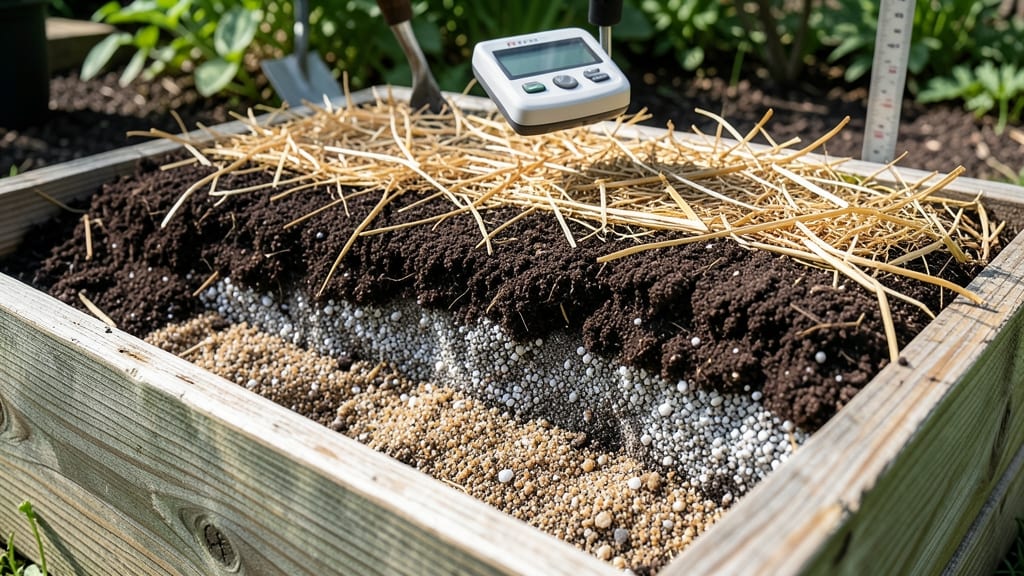
My raised bed soil mix starts with a 3-layer system that keeps roots happy and water where it belongs—no soggy bottoms or dry tops. 🌱 After three failed seasons with store-bought bags that compacted like clay, I finally cracked the code: coarse sand at the bottom, then a mix of compost and garden soil, topped with finished compost.
This isn't just dirt; it's a recipe for plants that grow deep and strong.
The magic happens in the balance: 60% garden soil for structure, 30% compost for nutrients, and 10% coarse sand or perlite for drainage. Most people skip the sand layer, and that's why their beds stay waterlogged after rain.
I test my mix by squeezing a handful—it should hold shape but crumble easily, like a damp sponge. Too tight? Add more sand. Too loose? Mix in coconut coir or peat moss.
By the first harvest, you'll notice the difference: tomatoes with thick stems, carrots that grow straight, and herbs that stay lush even in heat waves.
The soil stays loose for years, breaking up less than commercial mixes, and you'll cut fertilizer use by half because the nutrients are already there. No more guessing—just consistent, productive growing.
Works for any raised bed size, from 2x4-foot starter plots to full-size 8x4-foot gardens. The same principles apply whether you're growing veggies, flowers, or even small fruit bushes. Here's how to build it layer by layer without the common mistakes that waste time and money.
📚 In This Guide
- What you need
- Instructions
- Tips and common mistakes
- Wrapping up and next steps
What you need
- ● Topsoil: 50% of your mix (2-3 cubic feet per square foot of bed). Look for loamy, well-draining soil (avoid heavy clay).
- ● Compost: 25% of your mix (1-2 cubic feet per square foot). Use well-aged, organic compost (avoid fresh manure).
- ● Peat moss or coconut coir: 20% of your mix (1 cubic foot per square foot). Adds moisture retention and aeration.
- ● Perlite or vermiculite: 5% of your mix (½ cubic foot per square foot). Boosts drainage and root growth.
- ● Garden gloves & wheelbarrow: For mixing and hauling materials.
- ● Raised bed frame: Pre-built or DIY (ensure it’s at least 6 inches deep for root crops).
- ○ Soil pH tester (optional but helpful): Aim for a pH of 6.0–7.0 for most veggies.
- ● Worm castings: 5–10% of the mix for extra nutrients and microbial activity.
- ● Composted bark or straw: 5% for improved structure (great for sandy soils).
- ● Slow-release fertilizer: Mix in per the package for a nutrient boost.
- ● Landscape fabric: Line the bottom to block weeds (if your bed isn’t permanent).
- ● Wood chips or mulch: Top layer after planting to retain moisture.
Step-by-Step instructions for building a raised bed soil mix
Here’s how to create a nutrient-rich, well-draining raised bed mix that keeps roots happy and plants thriving.
🪴 Step 1: Choose Your Base Materials for Structure and Drainage
Start with 50% coarse material—like 4-6 inches of gravel or coarse sand—at the bottom of your raised bed. This layer improves drainage and prevents waterlogging, which is especially important if your bed sits in a low-lying area. I like to use construction-grade gravel because it’s inexpensive and won’t break down over time.
Spread the gravel evenly across the bottom, then add 2-3 inches of composted wood chips or straw on top. This layer helps break down further into organic matter while keeping the bed loose. Avoid fresh wood chips—they can rob nitrogen from the soil as they decompose.
🌱 Step 2: Build the Nutrient-Rich Loam Layer
Now it’s time for the 50% organic mix—this is where your plants will grow. Combine 40% high-quality garden soil (not potting mix) with 30% compost (well-aged, dark, and crumbly). I like to sift the soil first to remove rocks and clumps, which ensures even moisture distribution.
Add 20% perlite or vermiculite to this mix for aeration. This keeps the soil loose so roots can spread easily and oxygen reaches them. Mix everything thoroughly with a garden fork or shovel, breaking up any remaining clumps. The final texture should feel like a damp sponge—light enough to crumble but still hold moisture.
💧 Step 3: Adjust Moisture and Test Soil Quality
Grab a handful of your mixed soil and squeeze it gently. If it holds together but doesn’t drip water, you’re good to go. If it crumbles apart, add a little more compost or perlite. If it stays too wet, mix in a bit of sand or coconut coir to improve drainage.
For extra insurance, I like to test the pH—most vegetables thrive in 6.0-7.0. If your soil tests too acidic, add a handful of pelletized lime per square foot. If it’s too alkaline, work in sulfur or peat moss instead. This step ensures your plants won’t struggle to absorb nutrients later.
☀️ Step 4: Top With Mulch for Long-Term Health
Finish by spreading 2-3 inches of organic mulch—like straw, shredded leaves, or wood chips—on top. This keeps moisture in, suppresses weeds, and adds slow-release nutrients as it breaks down. I avoid dyed mulch because the chemicals can harm plants over time.
Water the bed thoroughly after adding mulch to settle everything in place. Let it sit for 24 hours before planting—this gives the soil time to stabilize and ensures roots won’t struggle when you add your first plants.
Tips & tricks for perfect raised bed soil mix
Here's what I've learned from years of building raised beds that actually work—no more guesswork.
Layering Matters: In Step 1, don't rush the gravel layer. I've seen people skip this or use too little, and their beds end up waterlogged during heavy rains. That 4-6 inches of gravel is your insurance policy against soggy roots. If you're building in a particularly wet area, consider adding an extra 2 inches—your plants will thank you later.
Compost Quality is Non-Negotiable: For Step 2, the 30% compost needs to be well-aged and dark. Fresh compost can burn young plants and tie up nitrogen in your soil. I always check for a sweet, earthy smell—if it smells sour or ammonia-like, it's not ready. You can also look for visible decomposition: it should break down easily between your fingers without clumping.
Perlite vs. Vermiculite: Both work for aeration, but they behave differently. Perlite is lighter and better for sandy soils, while vermiculite holds more moisture and works well in drier climates. I usually split my 20% between both—half perlite, half vermiculite—for a balanced mix that handles most conditions. Just avoid using them interchangeably without considering your climate.
24-Hour Rule is Critical: That final 24-hour waiting period in Step 4 might feel like an eternity, but it's what separates good soil from great soil. During this time, the layers settle, moisture redistributes, and any potential compaction issues reveal themselves. I've seen people skip this and end up with uneven planting surfaces or poor root penetration. Trust me—your first few plants will grow much better if you wait.
Pro Tips for Raised Bed Soil
- Here's what I've learned from years of building raised beds that actually work—no more guesswork.
- Layering Matters: In Step 1, don't rush the gravel layer. I've seen people skip this or use too little, and their bed...
- Compost Quality is Non-Negotiable: For Step 2, the 30% compost needs to be well-aged and dark. Fresh compost can burn...
Frequently asked questions
Got questions about optimizing your raised bed soil? Here are answers to the most common concerns—so you can grow like a pro!
What’s the best soil mix ratio for raised beds?
A balanced mix typically includes 60% topsoil, 30% compost, and 10% perlite or coarse sand for drainage. Adjust based on your plants: heavy feeders (like tomatoes) need more compost, while succulents thrive with extra sand. Test your soil’s texture—it should crumble easily when squeezed!
Can I reuse old raised bed soil?
Yes, but refresh it! Remove weeds, mix in 2–3 inches of compost, and top-dress with aged manure or worm castings. Avoid over-reusing soil without amendments—it can compact or lose nutrients. Pro tip: Rotate crops yearly to prevent disease buildup!
How often should I add new soil to raised beds?
Add 1–2 inches of compost annually or every planting season to maintain fertility. For new beds, a full soil refresh (6–12 inches deep) is ideal before planting. Monitor drainage—if water pools, amend with perlite or peat moss. Warning: Avoid tilling in fresh manure directly; it can burn roots!
What’s a cheap alternative to store-bought raised bed soil?
DIY mixes work great! Try:
- 50% garden soil + 30% compost + 20% shredded leaves/grass clippings (for organic matter).
- Coconut coir + peat moss + vermiculite (for moisture control).
- Local topsoil + wood chips (chopped fine) + biochar (boosts nutrients).
Why does my raised bed soil smell bad?
Foul odors usually mean too much moisture, anaerobic conditions, or fresh manure. Fix it by:
- Improving drainage with gravel or sand at the bottom.
- Adding coarse wood chips or straw mulch to absorb excess water.
- Avoiding overwatering—soil should feel like a wrung-out sponge.
Wrapping up and next steps
Creating the perfect raised bed soil mix is all about balancing layers, nutrients, and drainage to unlock your plants’ full potential. 🌱 Whether you’re a seasoned gardener or just starting, this layered loam approach ensures deep root growth, moisture control, and a thriving ecosystem—no guesswork required!
Your next step? Roll up your sleeves and build that bed! Grab your materials, follow the layers, and watch your garden flourish with confidence.
Pro tip: Start small—even a single raised bed can make a big impact. Happy gardening! 🌿