
Tools
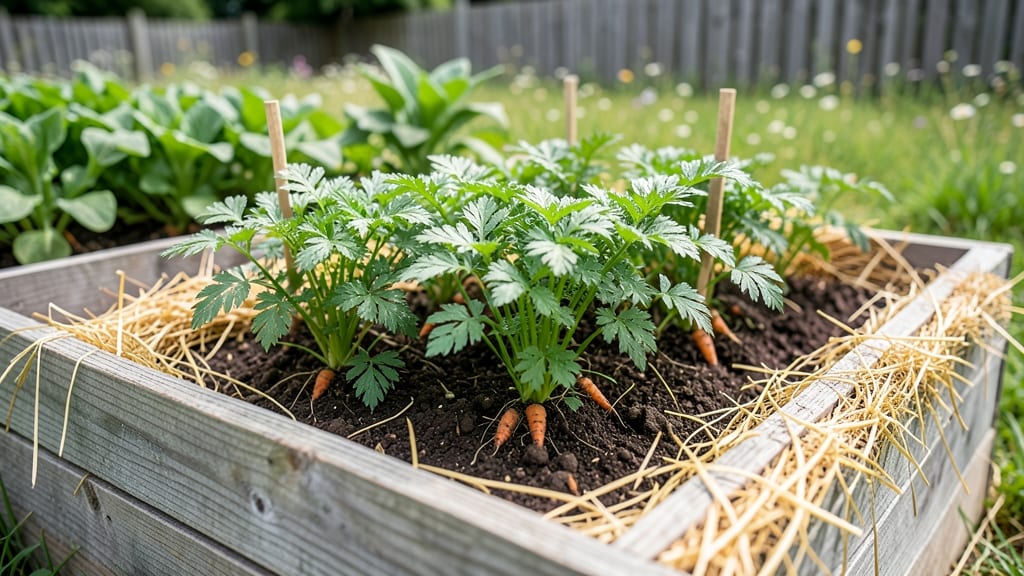
A raised garden bed for carrots isn’t just about growing them—it’s about growing them right, with roots that stay straight and sweet until harvest. 🌱 After years of struggling with bent, forked carrots in regular soil, I finally cracked the code: deep, loose soil that lets roots grow downward instead of sideways.
The secret isn’t just the bed—it’s the way you prep it, from soil texture to spacing, that makes all the difference.
You’ll need a bed at least 12 inches deep (carrots need room to stretch!), quality loose soil mixed with compost, and a sunny spot with 6+ hours of light daily. The key? Avoiding compaction—no tilling, just fluffy soil that feels like a pillow for those growing roots.
I’ve tested everything from cheap fill dirt to premium mixes, and the right blend makes a world of difference in straightness and flavor.
By the time you’re harvesting, you’ll pull out perfectly shaped, tender carrots—no more muddy, gnarled surprises. The bed also makes weeding and pest control easier, since you can spot problems early and add companion plants like onions or leeks to keep pests away.
Plus, the raised edges keep soil from spilling out, so maintenance stays simple.
This method works for any variety, from short Paris Market types to long Danvers carrots. Whether you’re a first-timer or a seasoned grower, the right setup turns carrot-growing from frustrating to foolproof. Let’s get those roots growing straight!
📚 In This Guide
- What you need
- Instructions
- Tips and common mistakes
- Wrapping up and next steps
What you need
- ● Raised bed frame: Untreated wood (cedar or redwood), composite lumber, or metal (4’x8’ or custom size; minimum height: 12 inches for deep-rooted carrots).
- ● Soil: 60% high-quality topsoil (e.g., Miracle-Gro Garden Soil) + 40% organic compost (e.g., Black Kow or homemade). Total volume: ~1 cubic yard per 4’x8’ bed.
- ● Carrot seeds: Open-pollinated varieties (e.g., ‘Danvers,’ ‘Nantes,’ or ‘Paris Market’ for shorter roots). Quantity: ~1 oz per 100 sq ft.
- ● Mulch: Straw or shredded leaves (2–3 inches thick) to retain moisture and deter weeds.
- ● Watering can or hose with a gentle nozzle: For consistent, shallow watering (1 inch per week).
- ● Measuring tape and level (for even bed construction).
- ● Drill/driver + screws or brackets (if assembling wood frames).
- ● Garden fork or tiller (to loosen soil before planting).
- ● Gloves (to protect your hands from sharp wood or soil).
- ○ Row marker or string (optional but helpful for straight seed placement).
- ● Drip irrigation kit for automated watering.
- ● Soil pH tester (carrots prefer pH 6.0–7.0).
- ● Seedling trays (if starting indoors 4–6 weeks before last frost).
- ● Floating row covers (to protect young seedlings from pests).
- ● Knee pad (because gardening is hard on the knees!).
Step-by-step guide to building a raised bed for perfect carrots
Here's how I build the ideal raised bed for long, straight carrots—no more gnarled roots or stunted growth.
🪴 Step 1: Choose and Prepare the Location
Pick a spot that gets full sun (6-8 hours daily) and stays flat—carrots hate uneven soil that causes crooked roots. I always test the ground first by pressing a 12-inch stake into the soil. If it tilts easily, level the area with a shovel before building. Avoid spots where tomatoes, peppers, or other nightshades grew last year—carrots share pests with these plants.
For drainage, I check if water pools after a rain. If it does, raise the bed at least 6 inches off the ground using cinder blocks or landscape timbers. Good drainage is critical—carrots rot faster than they grow in soggy soil. I mark the corners with stakes to visualize the bed's final dimensions before digging.
🌱 Step 2: Build the Frame and Layer the Soil
Construct a frame using untreated lumber (6-8 inches tall) or pre-made raised bed kits. I use cedar because it resists rot and lasts years. Cut four corners to your desired size—3 feet by 4 feet works perfectly for four rows of carrots. Assemble with galvanized screws (not nails) to prevent rust from leaching into the soil.
For the soil mix, I layer 2 inches of coarse sand or perlite at the bottom to improve drainage, then fill the rest with a blend of 60% garden soil, 30% compost, and 10% peat moss. The key is loose, stone-free soil—carrots need room to grow straight. I avoid garden soil with rocks or clay, which causes forked roots. Once filled, water the bed until moisture reaches 6 inches deep.
☀️ Step 3: Plant Carrot Seeds at the Right Depth and Spacing
Carrot seeds are tiny, so I mix them with dry sand first to avoid planting too thickly. Scatter seeds ¼ inch deep in rows spaced 12 inches apart. Thin seedlings to 2-3 inches apart once they sprout—crowding leads to small, misshapen roots. I cover the seeds with a thin layer of vermiculite to retain moisture and keep the soil surface smooth.
Here's the trick: Water gently with a fine spray nozzle until the soil is damp but not soggy. Overwatering washes seeds away or buries them too deep. After planting, I place a piece of clear plastic over the bed to trap warmth and speed germination. Remove it as soon as sprouts appear (10-14 days), or the seedlings will get leggy and weak.
💧 Step 4: Maintain Moisture and Monitor Growth
Keep the soil consistently moist but never waterlogged—carrots need 1 inch of water weekly, but I check daily during dry spells. I water in the morning so the soil dries slightly by evening, reducing disease risk. Use a drip irrigation system or soaker hose to avoid disturbing the soil surface, which can expose roots to sunlight and turn them green (bitter flavor).
Watch for first true leaves (the second set after the initial seed leaves). Once they appear, thin seedlings to 3 inches apart using scissors to avoid disturbing roots. If you see yellowing leaves, it’s usually a sign of overwatering or nitrogen deficiency. A light application of compost tea fixes it fast.
⏰ Step 5: Harvest at Peak Maturity for Sweetest Flavor
Carrots mature in 60-80 days, but I pull a few test roots at 50 days to check size. For baby carrots, harvest when they’re 2-3 inches long. For full-sized carrots, wait until tops are 4-6 inches tall and shoulders are 1-1.5 inches thick. Pull gently but firmly—twisting can snap roots.
Store harvested carrots in a cool, dark place with their greens trimmed (they draw moisture). For continuous harvests, succession plant every 2 weeks until early fall. If you leave carrots in the ground too long, they’ll toughen up and split—always harvest before the first hard frost.
Tips & tricks for perfect raised bed carrots
Took me a while to figure these out, so here's how I ensure my raised beds grow carrots that are long, straight, and sweet.
Location is Everything: That 6-8 hours of full sun is non-negotiable—carrots need consistent light to develop properly. I always check my spot by watching how shadows move throughout the day. If your yard has afternoon shade, consider building your bed where it gets morning sun instead. The 12-inch stake test reveals hidden slopes that would cause crooked roots—don't skip this step!
Soil Science Matters: The 60% garden soil to 30% compost to 10% peat moss ratio creates that perfect loose texture. I sift my garden soil through a 1/4-inch mesh screen to remove any rocks or debris that would cause forked roots. For the 2 inches of coarse sand at the bottom, I use horticultural sand—not playground sand! This drainage layer prevents waterlogging, which is carrots' biggest enemy.
Thinning Secrets: When thinning seedlings to 3 inches apart, I use clean scissors instead of pulling by hand to avoid disturbing nearby roots. The first true leaves are your signal—wait for those before thinning. I also mark my rows with bamboo stakes before planting so I can easily visualize the 12-inch spacing when it's time to thin.
Watering Wisdom: That 1 inch of water weekly guideline works for normal conditions, but I adjust during heatwaves. I check moisture by sticking my finger 1 inch into the soil—if it's dry, water deeply. The morning watering routine prevents fungal diseases, and I always water at the base of plants to avoid wetting the leaves, which can cause rot.
Pro Tips for Raised Garden Bed For Carrots
- Took me a while to figure these out, so here's how I ensure my raised beds grow carrots that are long, straight, and ...
- Location is Everything: That 6-8 hours of full sun is non-negotiable—carrots need consistent light to develop properl...
- Soil Science Matters: The 60% garden soil to 30% compost to 10% peat moss ratio creates that perfect loose texture. I...
Frequently asked questions
Got questions about growing carrots in raised beds? You’re not alone! Here are answers to the most common queries to help you grow perfect, long roots with ease.
How deep should a raised bed be for carrots?
Aim for 12–18 inches deep—this gives carrots enough room to grow long and straight without crowding. Shallower beds (under 10 inches) may stunt root development, especially for varieties like Danvers or Nantes. If space is tight, opt for shorter varieties (6–8 inches) but still prioritize depth over width.
When is the best time to plant carrots in a raised bed?
Carrots thrive in cool weather, so plant them 2–3 weeks before your last frost date in spring or 8–10 weeks before the first fall frost. Avoid hot summers—they cause bitter roots and forking. In warm climates, use shade cloth or plant in early spring or late summer for success.
Can I reuse soil from last year’s raised bed for carrots?
Yes, but refresh it first! Carrots deplete nutrients and hate compacted soil. Mix in 2–3 inches of compost and loosen the bed with a fork or tiller. Avoid reusing soil where other root crops (like potatoes) grew recently to prevent disease. A 50/50 mix of garden soil and compost works best.
Why are my carrots forking in the raised bed?
Forking (roots splitting or bending) usually means uneven soil or compaction. Fix it by:
- Using deep, loose soil (sandy loam or amended with perlite).
- Avoiding heavy foot traffic on the bed.
- Thinning seedlings to 2–3 inches apart for space to grow.
- Watering consistently—dry spells cause stress.
If the issue persists, try a soil test—too much nitrogen can also trigger forking.
What can I plant with carrots in a raised bed to improve growth?
Carrots love companion plants that deter pests and share nutrients well. Try:
- Leafy greens (lettuce, spinach)—they grow fast and don’t compete for space.
- Onions or garlic—repel carrot flies.
- Rosemary or thyme—improve flavor and deter pests.
Avoid planting with dill, parsley, or fennel—their strong roots can cross with carrots, making harvest messy!
Wrapping up and next steps
Growing long, straight carrots in a raised bed isn’t just possible—it’s a rewarding challenge that yields delicious, homegrown harvests! 🥕 With the right deep, loose soil and a few smart techniques, you’ll be feasting on perfectly shaped roots in no time.
Whether you’re a seasoned gardener or just starting out, this method makes success simple and satisfying.
Ready to dig in? Start by sketching your bed layout—then gather your tools and soil. Before you know it, you’ll be harvesting those dreamy, crisp carrots straight from your own backyard. Happy planting! 🌱