
Container Gardens
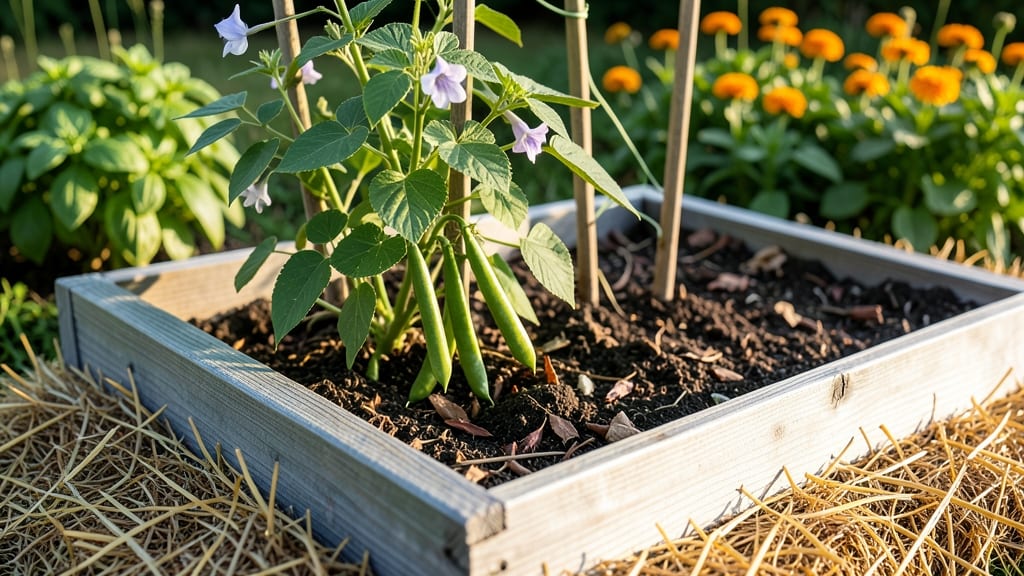
A raised garden bed for green beans isn’t just a planter—it’s a vertical growing revolution. 🌱 I’ve watched my beans climb 8 feet in a single season, producing more pods than I could ever pick, all while saving space and keeping pests at bay.
The secret? A sturdy support system that turns a small bed into a high-yielding trellis.
Start with a 4-foot-wide bed (so you can reach the center) filled with loose, nitrogen-rich soil mixed with compost. Plant seeds 1 inch deep, 4 inches apart, and install 5-foot-tall bamboo stakes or metal trellis netting at planting time.
Green beans thrive in full sun—6+ hours daily—and need consistent moisture, but raised beds drain excess water, preventing rot.
By mid-summer, you’ll have lush vines producing pods every 2-3 weeks. The vertical growth keeps leaves off the ground, reducing disease, and makes harvesting a breeze. Even in tight spaces, this setup turns a small footprint into a high-volume harvest—no bending, no crowding, just easy access to fresh beans.
Pro tip: Add a drip irrigation line along the trellis to keep water right where the roots need it. And if slugs become an issue, wrap the base of the trellis with copper tape—they’ll avoid it like the garden gate.
This system works for bush beans too, just without the stakes.
📚 In This Guide
- What you need
- Instructions
- Tips and common mistakes
- Wrapping up and next steps
What you need
- ● Raised garden bed: 4’ x 8’ (or custom size), 10–12” deep (minimum). Wood (cedar or untreated pine), composite lumber, or galvanized metal.
- ● Pole support system: 4–6 T-posts (5–6 ft tall, ½” diameter) or bamboo stakes (2–3” diameter).
- ● 10–12 ft of galvanized wire (12–14 gauge, ½” diameter) or 2–3 rolls of twine/string (for trellising).
- ● Zip ties (50–100) or jute twine (for securing poles).
- ● Soil: 1 cubic yard of well-draining potting mix (or 50% garden soil + 50% compost).
- ● Green bean seeds: 2–3 lbs of pole or bush variety seeds (e.g., ‘Kentucky Wonder’, ‘Blue Lake’).
- ● Basic gardening tools: Trowel or hand shovel
- ● Garden gloves
- ● Watering can or hose with nozzle
- ● Drip irrigation kit (to save time and water).
- ● Mulch (straw or shredded leaves) to retain moisture.
- ● Fertilizer (balanced 10-10-10 or compost tea for a boost).
- ● Row covers (to protect from pests or frost).
- ● Landscape fabric (if placing the bed on grass to prevent weeds).
Step-by-step guide to building a pole support system for green beans in raised beds
Here's how I design a sturdy, space-saving trellis that keeps green beans climbing strong all season.
🪴 Step 1: Plan and Measure Your Raised Bed Layout
Start by measuring your raised bed's interior dimensions—green beans need 18-24 inches of width between rows for proper airflow. For a standard 4-foot wide bed, I plant two rows with 18-inch spacing between them. Mark the center line with a string or chalk to ensure perfect symmetry for your trellis.
I always sketch a quick diagram first: the trellis should be 6-8 feet tall to accommodate indeterminate varieties that can climb higher. For determinate beans, 4-5 feet is plenty. This prevents sprawling vines from taking over your garden and makes harvesting a breeze.
☀️ Step 2: Install Vertical Support Posts
Drive 4-foot wooden stakes (or metal T-posts) at each corner of the bed and every 4 feet along the length. Use a level to ensure they're perfectly vertical—uneven posts will cause your trellis to sag. I bury 12 inches of each post below ground for maximum stability, especially in windy conditions.
For extra reinforcement, I add a 2x4 horizontal brace between posts at 18-inch and 36-inch heights. This creates a sturdy ladder-like structure that prevents the trellis from collapsing under the weight of heavy bean pods. Use galvanized screws or heavy-duty staples to secure everything—rust is the last thing you want near edible plants.
🌱 Step 3: Attach Horizontal Cross Supports
Lay 1x2 wooden slats horizontally between the vertical posts, spacing them 12 inches apart. These slats will guide the bean vines upward and prevent them from tangling. I use deck screws to attach them at a slight upward angle (about 10 degrees) so vines naturally climb rather than sprawl.
For a more rustic look, I sometimes replace the slats with hemp twine stretched between posts in a crisscross pattern. This works beautifully for lighter varieties but requires more frequent maintenance to keep it taut. Either method should create a lattice that covers the entire bed height.
✂️ Step 4: Train Bean Vines as They Grow
Once your green beans sprout and develop their first true leaves, gently weave the main vines through the trellis slats. Start at the bottom and guide them upward in a counterclockwise direction—this prevents the vines from twisting and choking themselves. I use soft garden twine to loosely tie the main stems to the trellis every 12 inches until they reach the top.
Here's the thing—don't let vines get too far ahead of the trellis. If you see a vine lagging behind, gently loop it around the next available slat. This ensures even growth and prevents some vines from bearing all the pods while others struggle to catch up. Watch for side shoots forming at the leaf axils and encourage them to climb too by weaving them into the lattice.
💧 Step 5: Maintain and Harvest for Maximum Yield
Check your trellis weekly for any sagging or loose connections, especially after heavy rain or wind. Tighten any loose screws and replace broken slats immediately—weak supports can snap under the weight of mature bean pods. I also prune any vines that grow away from the trellis to concentrate the plant's energy on upward growth and pod production.
Harvest beans when pods are 4-6 inches long and firm to the touch—this encourages continuous flowering and production. I always harvest in the morning when pods are crispest and most flavorful. With proper support, you'll get 30-50% more yield compared to bush beans growing without trellises, and the pods stay cleaner and less prone to soil-borne diseases.
Tips & tricks for building a sturdy green bean trellis
These practical insights will help you avoid common pitfalls and create a trellis system that truly maximizes your green bean harvest.
Foundation Stability: When burying those 4-foot wooden stakes, don't just eyeball the 12 inches below ground—use a tape measure to ensure consistent depth. Uneven foundations will cause your entire trellis to lean, especially in windy conditions. I've seen trellises collapse because stakes weren't buried deep enough, so take this step seriously. For extra security in wind-prone areas, consider driving stakes at a slight angle (about 5 degrees) away from prevailing winds.
Material Selection: While wooden slats and stakes are classic choices, metal T-posts actually resist rot better and last multiple seasons. If using wood, treat it with food-safe sealant to prevent sap from leaching into your soil. I've found that cedar naturally resists rot and insects, making it an excellent choice for trellis materials that will stay in place for years. For the 1x2 slats, pre-drill screw holes to prevent wood from splitting when you attach them.
Growth Guidance: The counterclockwise training method mentioned in Step 4 isn't just about direction—it creates natural tension in the vines that helps them climb more efficiently. When tying vines to the trellis every 12 inches, use a loose figure-eight knot that allows for growth. Too-tight ties can girdle the stems and restrict water flow. I've noticed that vines trained this way produce pods that are straighter and easier to harvest compared to those growing haphazardly.
Seasonal Maintenance: Before winter, remove and store all wooden components to prevent rot and insect infestations. Metal components can stay in place year-round, but check for rust annually. In spring, give your trellis a thorough inspection before planting—tighten any loose screws and replace any damaged slats. This proactive approach saves you from mid-season failures when your beans are actively growing. The 12-inch spacing between slats might seem generous, but it actually gives vines room to breathe and prevents them from becoming tangled masses.
Pro Tips for Raised Garden Bed For Green Beans
- These practical insights will help you avoid common pitfalls and create a trellis system that truly maximizes your gr...
- Foundation Stability: When burying those 4-foot wooden stakes, don't just eyeball the 12 inches below ground—use a ta...
- Material Selection: While wooden slats and stakes are classic choices, metal T-posts actually resist rot better and l...
Frequently asked questions
Got questions about growing green beans in raised beds? You’re not alone! Here are some of the most common concerns—and their solutions—to help you cultivate a thriving vertical bean garden.
How deep should a raised bed be for green beans?
Green beans thrive in 8–12 inches of soil depth. Since they have shallow roots, deeper beds aren’t necessary unless you’re growing larger varieties like pole beans with extensive vines. Just ensure good drainage and compost-rich soil to keep roots happy!
When is the best time to plant green beans in a raised bed?
Plant green beans 2–3 weeks after your last frost date when soil temperatures reach 60–65°F. For cooler climates, opt for early-maturing varieties (50–60 days). In warm regions, avoid planting in peak summer heat—beans prefer mild weather!
What’s the best pole support system for green beans in raised beds?
Use trellis netting, bamboo stakes, or A-frame supports for pole beans. For bush beans, simple 4–6 inch tall cages or stakes work well. Secure supports outside the bed to avoid crowding and ensure vines climb freely!
How do I prevent pests in raised beds for green beans?
Keep pests at bay with row covers, companion planting (marigolds or nasturtiums), and regular inspections. Avoid overwatering (which attracts slugs) and handpick bean beetles early. Neem oil or insecticidal soap can help for severe infestations.
Can I grow green beans in a raised bed year-round?
Green beans are cool-season crops and prefer temperatures between 60–85°F. In warm climates, plant in early spring or fall to avoid heat stress. In colder regions, use row covers or cold frames for extended seasons—but expect slower growth in frost.
What if my green beans aren’t climbing the trellis?
Check for weak or improperly spaced supports, tangled vines, or overcrowding. Gently guide vines upward and prune side shoots to encourage vertical growth. If plants are leggy, they may need more sunlight—relocate the bed to a sunnier spot!
Wrapping up and next steps
Growing green beans in a raised garden bed with a vertical support system isn’t just space-efficient—it’s a game-changer for productivity and ease of harvest! 🌱 With the right setup, you’ll enjoy bountiful, healthy plants while keeping weeds and pests at bay.
Whether you’re a beginner or a seasoned gardener, this method makes growing pole beans simple and rewarding.
Ready to transform your garden? Start by gathering your materials, sketch a quick design, and plant those seeds—your future harvest is just a few weeks (and some vertical magic) away! 🌿