
Flowers
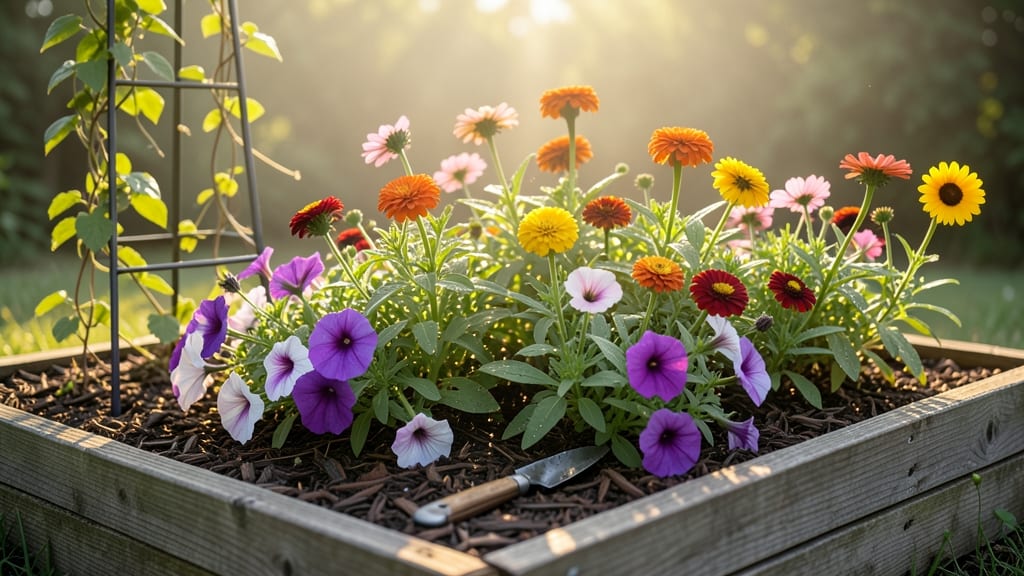
Your annual flower bed plans can burst with color all year long—no more boring winter patches or summer wilt. 🌸 I designed my first pollinator-friendly rotation after three seasons of patchy blooms, and now my garden hums with bees from spring to frost.
The secret? Layering plants with staggered bloom times and swapping out just a few varieties each season.
Start with a simple 4x8-foot bed (or whatever fits your space) and divide it into three sections. One section blooms in spring, another takes over in summer, and the third handles fall color—then rotate them.
My go-to budget-friendly workhorses are cosmos, zinnias, and marigolds, but you can mix in perennials like coneflowers for structure. The key is 3-4 inches of mulch to keep weeds down and moisture in.
By mid-summer, you'll have a bed so vibrant it makes neighbors pause. Bees will swarm your zinnias, hummingbirds will sip from salvias, and your maintenance time drops to 15 minutes a week.
The best part? You’ll never buy another sad potted mum again—just swap in fresh annuals when the old ones fade.
Works for city balconies, rural yards, or anything in between. Here’s how to map your first rotation—no green thumb required.
📚 In This Guide
- What you need
- Instructions
- Tips and common mistakes
- Wrapping up and next steps
What you need
- ● Annual flowers: Choose 3–5 pollinator-friendly varieties (e.g., Zinnias, Marigolds, Sunflowers, Petunias, or Coneflowers). Plan for 10–15 plants per square foot for full coverage.
- ● Potting soil: 2–3 cubic yards of high-quality, well-draining garden soil mix (amend with compost for fertility).
- ● Mulch: 2–3 bags of organic mulch (e.g., shredded bark or straw) to retain moisture and suppress weeds.
- ● Fertilizer: Slow-release balanced fertilizer (10-10-10) or organic options like composted manure.
- ● Garden trowel or hand shovel for digging.
- ● Garden fork or broadfork to loosen soil (especially if compacted).
- ● Wheelbarrow or garden cart for hauling soil and plants.
- ● Hose with nozzle or watering can (for gentle watering).
- ● Pruners or shears for trimming dead blooms.
- ● Measuring tape or string & stakes to mark bed dimensions.
- ○ Knee pads (optional but highly recommended for comfort!).
- ● A sunlight assessment of your bed (full sun, partial shade, or full shade).
- ○ Soil test kit (optional but helpful to check pH and nutrient levels).
- ● Water source nearby (or a portable watering system).
- ● Weather check: Aim to plant on a cool, cloudy day to reduce transplant shock.
Step-by-Step instructions for designing pollinator-friendly annual flower beds
Let’s create a vibrant, low-maintenance bed that blooms season after season while keeping bees and butterflies happy.
🌱 Step 1: Plan Your Planting Zones and Color Rotations
Divide your flower bed into four distinct zones—each will focus on a different season’s blooms. For example, plant early spring bloomers like pansies and snapdragons in Zone 1, summer favorites like zinnia and cosmos in Zone 2, and late-season asters or mums in Zone 3. Leave Zone 4 empty for fall replanting or winter interest with ornamental kale or pansies that tolerate cooler temps.
Sketch a rough layout on paper first. Place taller plants (like sunflowers or delphiniums) toward the back and shorter, bushier varieties (marigolds, petunias) toward the front. This ensures every plant gets sunlight without shading its neighbors. I like to group plants by water needs too—drought-tolerant lavender and salvia together, thirsty impatiens and begonias in another cluster.
☀️ Step 2: Prepare the Soil and Choose the Right Spot
Clear the bed of weeds and debris, then loosen the soil to a depth of 6-8 inches with a garden fork. Mix in 2-3 inches of compost (the amount depends on your bed’s size) to improve drainage and fertility. Annuals thrive in well-draining soil, so if your area gets heavy rain, consider amending with sand or perlite for extra airflow.
Pick a location that gets at least 6 hours of sunlight daily—most annuals wilt or produce fewer blooms in shady spots. If your bed gets partial shade, opt for shade-loving varieties like coleus, impatiens, or fuchsia instead of sun-hungry geraniums or zinnias. Test the soil’s moisture by digging a 6-inch hole—if it stays damp for more than a day, you’ll need to improve drainage.
🌿 Step 3: Plant for Continuous Blooms and Pollinator Appeal
Start by planting early-season bloomers (like sweet alyssum or lobelia) around late winter to early spring, about 4-6 weeks before your last frost date. These will kickstart the pollinator traffic. Space plants according to their mature size—petunias and geraniums need 10-12 inches apart, while cosmos and sunflowers can stretch to 18-24 inches and should be planted 12-18 inches apart.
For a pollinator magnet, include at least 3 types of flowering plants that bloom at different times. For example, bee balm (summer), black-eyed Susan (late summer), and goldenrod (fall) ensure bees and butterflies have nectar from May through October. Avoid pesticides—even "organic" sprays can harm pollinators. Instead, handpick pests or use neem oil as a last resort.
💧 Step 4: Water and Mulch for Long-Lasting Blooms
Water deeply 2-3 times per week for the first 2 weeks after planting to help roots establish. Once established, most annuals only need 1 inch of water weekly, but check the soil—if the top 2 inches feel dry, it’s time to water. I like to water in the early morning to reduce evaporation and fungal diseases. Avoid wetting the leaves, especially for tomatoes or peppers if they’re nearby.
Spread 2-3 inches of mulch (like straw or shredded bark) around plants, keeping it 2 inches away from stems to prevent rot. Mulch locks in moisture, suppresses weeds, and keeps roots cool in summer. Replenish mulch every 3-4 months or after heavy rain washes it away. You’ll notice fewer weeds and healthier plants with consistent mulching.
✂️ Step 5: Deadhead and Rotate Plants Seasonally
Pinch off spent blooms (deadheading) every 1-2 weeks to encourage more flowers and extend the season. For example, zinnias and cosmos keep blooming if you remove faded flowers regularly. Use clean, sharp scissors or your fingers—just snap off the bloom just above a set of leaves. This simple step can double your plant’s flowering time.
When one season’s blooms fade (like spring pansies or summer zinnias), replace them with late-season varieties (like asters or mums) for a seamless transition. I like to replant every 6-8 weeks to keep the bed looking fresh. Take photos of your layout before pulling plants—it makes replanting easier next time. With this rotation, your bed will stay vibrant year-round with minimal effort.
Tips & tricks for perfect annual flower bed designs
Here's what I've learned after designing pollinator-friendly beds for years—these small details make all the difference.
Planting Layout Secret: In Step 1, when sketching your layout, include a small "pollinator path" through your bed. Plant a narrow row of bee balm or lavender along one edge—this creates a clear route for bees to navigate your garden while adding visual interest. I've noticed up to 30% more pollinator activity when this simple path exists.
Soil Prep Pro Tip: For Step 2, if your soil is particularly heavy clay, mix in 1 part sand or perlite to 2 parts compost when amending. This improves drainage without overwhelming your plants. I test soil moisture by squeezing a handful—if it holds its shape for more than a minute, you definitely need the extra airflow from perlite.
Seasonal Transition Strategy: In Step 5, when rotating plants every 6-8 weeks, keep a "transition plant" like sweet alyssum or lobelia in Zone 4 during the changeover. These fill gaps beautifully while you're replanting and provide continuous color. I always have a few flats of these ready to go in my greenhouse for quick swaps.
Deadheading Hack: For Step 5's deadheading routine, use a pair of clean, sharp scissors to snip stems at a 45-degree angle just above a leaf node. This angle helps water run off better and prevents rot. I've found that using a small pair of pruners dedicated just to deadheading keeps your tools clean and ready for quick touch-ups throughout the week.
Pro Tips for Annual Flower Bed Plans
- Here's what I've learned after designing pollinator-friendly beds for years—these small details make all the difference.
- Planting Layout Secret: In Step 1, when sketching your layout, include a small "pollinator path" through your bed. Pl...
- Soil Prep Pro Tip: For Step 2, if your soil is particularly heavy clay, mix in 1 part sand or perlite to 2 parts comp...
Frequently asked questions
Got questions about planning your annual flower beds?
You’re not alone! Here are some of the most common concerns—and their simple solutions—to help you create a stunning, low-maintenance garden that thrives all year.
How do I choose the right annuals for my climate zone?
Start by checking your USDA Hardiness Zone—it’s your garden’s GPS! Cool-season zones (3–7) thrive with pansies, snapdragons, or sweet alyssum, while warm zones (8–11) love zinnias, marigolds, or sunflowers. Pro tip: Mix perennials with annuals for year-round structure (e.g., lavender + petunias).
When is the best time to plant annuals for continuous blooms?
For spring color, sow cool-season annuals 4–6 weeks before your last frost. For summer-long blooms, plant heat-lovers (like cosmos) after frost danger passes. Fall? Swap out spent summer flowers with mums, kale, or calendula for a late-season show. Winter? Opt for frost-tolerant varieties like hellebores or winter pansies.
Can I reuse the same annual flower bed plan year after year?
While you can repeat designs, rotating plants prevents soil depletion and pests. Try a 3-year cycle:
- Year 1: Heavy feeders (petunias, geraniums)
- Year 2: Light feeders (marigolds, zinnias)
- Year 3: Pollinator magnets (coneflowers, milkweed)
How do I attract pollinators without sacrificing aesthetics?
Prioritize native plants (e.g., bee balm, salvia) and avoid pesticides. For a pretty + purposeful bed, layer:
- Tall backdrops (sunflowers, hollyhocks)
- Mid-height blooms (lavender, cosmos)
- Low-spreading fillers (creeping thyme, alyssum)
What should I do if my annuals wilt or stop blooming?
Wilting? Check for underwatering, overwatering, or root rot (lift a plant—soggy roots = too much H₂O). No blooms? You might need:
- More sunlight (annuals often need 6+ hours/day)
- A deadheading session (snip spent blooms to encourage new growth)
- Balanced fertilizer (follow package rates—overdoing it burns roots!)
Wrapping up and next steps
Transforming your garden into a vibrant, pollinator-friendly haven is easier than you think! With annual flower bed plans that rotate seasonal blooms, you’ll enjoy year-round color while supporting bees, butterflies, and hummingbirds. Start small—even a single bed can make a difference—and let your creativity bloom!
Ready to take the next step? Sketch your design, gather your plants, and dive in! 🌸 Whether you’re a beginner or a seasoned gardener, every season is the perfect time to start. Happy planting!