
Aphids
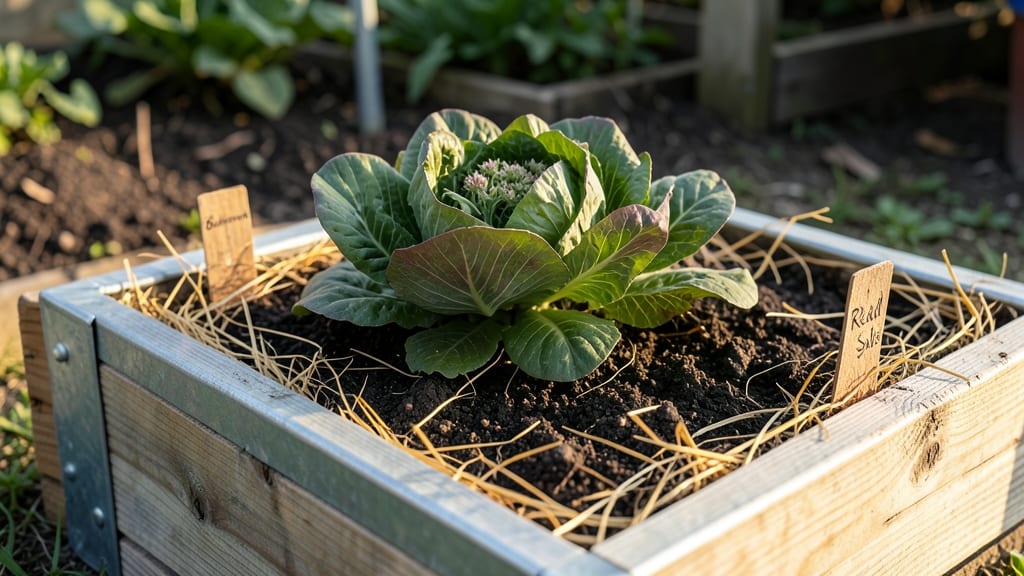
A raised bed for lettuce transforms your garden into a crisp, pest-free salad factory. 🌱 The secret lies in layered soil that keeps roots cool, prevents bolting, and fends off aphids—my lettuce now grows so fast, I harvest every 3 weeks without replanting.
Start with 6 inches of compost mixed into native soil, topped with 2 inches of straw mulch. This combo keeps moisture even in summer heat while discouraging slugs. Plant lettuce in staggered rows with 6-inch spacing between heads—crowding leads to bitter leaves and disease.
Water deeply in the morning to prevent fungal issues, and add a handful of coffee grounds weekly for nitrogen. The raised bed's elevated design means no more soggy soil or aphid infestations from ground contact—just tender leaves ready to pick.
For year-round growing, use shade cloth in summer and extend the season with cold frames. The same setup works for spinach and kale, making this a versatile small-space solution that actually pays off.
📚 In This Guide
- What you need
- Instructions
- Tips and common mistakes
- Wrapping up and next steps
What you need
- ● Raised Bed Frame: Untreated wood (cedar or redwood recommended) or durable plastic
- ● Dimensions: 4’ x 8’ x 12” deep (or custom size, but ensure at least 6” depth)
- ● Hardware: 2.5” deck screws (galvanized or stainless steel, ~32 screws total)
- ● Layered Soil Components: Cardboard (newspaper or unbleached) – 10-15 sheets (for weed barrier)
- ● Compost – 4-6 inches (high-quality, well-aged)
- ● Coco coir or peat moss – 2 inches (for moisture retention)
- ● Garden soil – 4-6 inches (loamy, well-draining)
- ○ Perlite or vermiculite – 1-2 inches (optional, for aeration)
- ● Tools: Garden gloves
- ● Shovel or spade
- ● Rake (fine-toothed for leveling)
- ● Wheelbarrow (for mixing materials)
- ● Watering can or hose with gentle spray nozzle
- ○ Optional (But Helpful!): Drip irrigation kit (to automate watering)
- ● Row covers or shade cloth (30-50% shade for hot climates)
- ● Compost thermometer (to monitor heat layers)
- ● Lettuce seeds or transplants (butterhead, romaine, or loose-leaf varieties)
Step-by-Step instructions for building a raised bed for lettuce
Here's how I create a thriving lettuce patch using layered soil for maximum flavor and pest resistance.
🪴 Step 1: Build the Raised Bed Frame
Use untreated wood like cedar or redwood for your 4-foot by 8-foot frame—it resists rot and lasts years. Cut four 2x6 boards to 4 feet for the short sides and two to 8 feet for the long sides. Assemble with 2.5-inch deck screws (not nails—they pull out) at each corner and every 12 inches along the sides. Angle the corners slightly outward to prevent soil from spilling over time.
I always add corner braces for extra stability, especially if you'll fill it with heavy compost. Line the inside with landscape fabric to block weeds from creeping up through the bottom. This keeps your lettuce clean and reduces competition for nutrients. Leave a 2-inch overhang of fabric to tuck into the sides later.
🌱 Step 2: Layer Soil for Optimal Lettuce Growth
Start with a 4-inch layer of coarse wood chips or straw at the bottom for drainage—lettuce roots hate soggy feet. Next, add 2 inches of compost (I use well-aged cow manure) to feed the soil microbes. Then layer 6 inches of high-quality garden soil on top. This mix gives lettuce the loose, crumbly texture it craves for easy root penetration.
Top with 1 inch of finished compost mixed with 1/4 cup of 5-10-5 fertilizer per square foot. Sprinkle lightly to distribute evenly. Avoid mixing in fresh manure—it can burn tender lettuce roots. Water the layers thoroughly before planting so everything settles evenly.
☀️ Step 3: Plant Lettuce for Continuous Harvests
Sow lettuce seeds in rows 12 inches apart—this spacing prevents crowding and gives leaves room to develop. Press seeds 1/4 inch deep into the soil, then cover lightly with a thin layer of sifted compost. Water gently with a fine mist until the soil surface looks uniformly damp but not wet. Overhead watering can wash seeds away.
For a continuous supply, I plant successive batches every 2 weeks starting in early spring. Use shade cloth (30-50%) if your summer sun is intense—lettuce bolts (goes to seed) when stressed by heat. You'll see first true leaves in 7-10 days. Thin seedlings to 6 inches apart once they're 2 inches tall to give each plant proper growing space.
💧 Step 4: Maintain Moisture and Pest Control
Water lettuce deeply every morning—about 1 inch total per week. The soil should stay evenly moist but not soggy. I use a soaker hose to keep leaves dry, which prevents fungal diseases like downy mildew. Mulch with 1 inch of straw after planting to lock in moisture and suppress weeds. Avoid synthetic mulches that can smother young plants.
Check for pests like aphids or slugs daily. Aphids cluster on undersides of leaves—blast them off with water if you spot them. For slugs, set out beer traps (a shallow dish of beer) near the bed. Lettuce grown in raised beds rarely attracts pests, but early intervention keeps your harvest pristine.
✂️ Step 5: Harvest for Maximum Flavor and Regrowth
Start harvesting outer leaves when they reach 4-6 inches long—this encourages the plant to keep producing. Use clean scissors or a knife to cut just above the base. You'll get 3-4 harvests from each plant before it bolts. For butterhead or romaine, you can harvest the whole head at once when fully mature.
After the first harvest, fertilize lightly with fish emulsion (diluted to half-strength) to replenish nutrients. If your lettuce starts to taste bitter, it's a sign of heat stress—provide afternoon shade immediately. With proper care, your raised bed will produce pest-free lettuce for months, even in small spaces.
Tips & tricks for building a thriving raised bed lettuce patch
These simple strategies will help you avoid common mistakes and maximize your lettuce harvest.
Wood Selection Wisdom: While cedar and redwood are ideal for their natural rot resistance, if you're on a budget, pressure-treated lumber works too—but paint the inside of your bed first to prevent chemical leaching into your soil. I've seen gardeners use untreated pine successfully, but replace the wood every 3-4 years to avoid rot. The key is avoiding chemically treated wood that could harm your plants.
Soil Layering Secret: When adding your 6-inch layer of garden soil in Step 2, mix in a handful of perlite or vermiculite to improve aeration—lettuce roots need oxygen as much as nutrients. This also prevents compaction over time, which can strangle young roots. Think of it like giving your lettuce a fluffy pillow to grow into rather than a dense brick.
Planting Precision: In Step 3, use a seed spacing guide or even a piece of string with knots tied every 6 inches to maintain perfect spacing. Overcrowding leads to competition for nutrients and increases the risk of fungal diseases. I've found that planting in a staggered pattern (like brickwork) also maximizes space efficiency while improving airflow between plants.
Watering Hack: For that 1 inch per week watering guideline in Step 4, I use a simple rain gauge placed near the bed to track rainfall. This helps me avoid overwatering during wet spells. A drip irrigation system set on a timer delivers consistent moisture without wetting the leaves—preventing fungal issues. Just make sure the emitters are placed at the base of plants, not spraying directly on foliage.
Pro Tips for Raised Bed For Lettuce
- These simple strategies will help you avoid common mistakes and maximize your lettuce harvest.
- Wood Selection Wisdom: While cedar and redwood are ideal for their natural rot resistance, if you're on a budget, pre...
- Soil Layering Secret: When adding your 6-inch layer of garden soil in Step 2, mix in a handful of perlite or vermicul...
Frequently asked questions
Got questions about growing lettuce in raised beds? You’re not alone—here are answers to the most common ones to help you grow crisp, pest-free greens with confidence!
What’s the best soil mix for lettuce in a raised bed?
Use a lightweight, well-draining mix of 60% topsoil, 30% compost, and 10% perlite or coarse sand. Lettuce prefers loose, fertile soil with a pH of 6.0–7.0. Avoid heavy clay—it can cause rot. Pro tip: Add a handful of worm castings for extra nutrients!
How long does it take for lettuce to grow in a raised bed?
Most leaf lettuce varieties mature in 30–50 days, while head lettuce (like romaine) takes 60–80 days. Success depends on temperature: plant in cool weather (50–75°F) for sweetest flavor. Speed up growth with consistent moisture and shade cloth in hot climates.
How do I keep aphids off lettuce in a raised bed?
Aphids love tender lettuce! Prevent them with neem oil (spray weekly) or companion plants like garlic or marigolds. For outbreaks, blast them off with a strong water spray or introduce ladybugs. Avoid over-fertilizing with nitrogen—it attracts pests!
Can I grow lettuce in a raised bed year-round?
Not in most climates! Lettuce thrives in cool seasons (spring/fall). In hot summers, it bolts (goes to seed). Try shade cloth or heat-tolerant varieties like Jericho or Black Seeded Simpson. Overwinter in mild zones with row covers for extended harvests.
What’s the ideal raised bed size for lettuce?
Aim for 4’ x 8’ beds (or smaller) to allow easy access and even watering. Space lettuce 8–12 inches apart in rows. Deeper beds (12”+) give roots room to grow, but 6–8” depth is plenty for most varieties. Rotate crops yearly to prevent soil depletion.
Are raised beds worth it for growing lettuce?
Absolutely!
Raised beds improve drainage, deter pests, and warm up faster in spring. You’ll get earlier harvests and higher yields with less weeding. Plus, they’re customizable for your soil and space. Just ensure good airflow to prevent fungal issues.
Wrapping up and next steps
Growing lettuce in a raised bed isn’t just about fresh, crisp harvests—it’s a game-changer for pest control, soil health, and effortless maintenance! 🌱 With the right layered soil mix and a few smart strategies, you’ll enjoy aphid-resistant greens while keeping weeds and critters at bay.
Whether you’re a seasoned gardener or just starting out, this method makes success deliciously achievable.
Ready to dive in? Start small—pick a sunny spot, gather your supplies, and layer that soil like a pro. Your first pest-free lettuce harvest could be just 8–10 weeks away! 🚀