
Pests
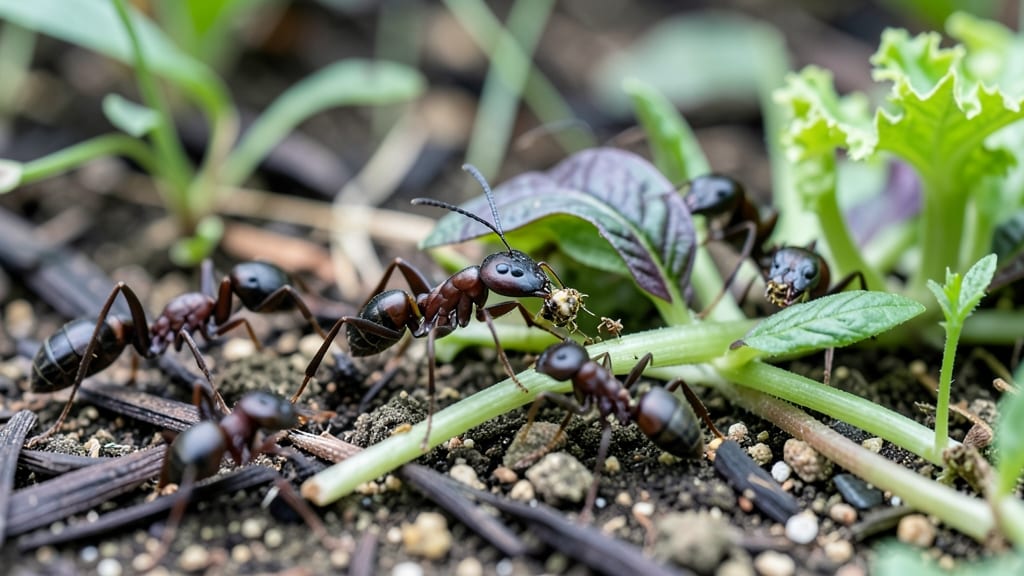
Are ants in garden beds good or bad? Most are beneficial—they aerate soil, recycle nutrients, and control pests, but invasive species like fire ants can damage plants and ecosystems. A balanced population is key.
Ants play a dual role in your garden, acting as both natural gardeners and potential troublemakers. 🌱 Their tunneling improves soil drainage and aeration, while their decomposition of organic matter adds nutrients back into the earth.
However, when certain species—like fire ants or Argentine ants—take over, they can disrupt plant roots or even harm beneficial insects. The trick is recognizing which ants are helping versus which might need relocation.
Native ants like pavement ants or harvester ants are usually harmless and even helpful, while aggressive invaders often form large mounds or attack plants. If you notice sudden plant die-off or excessive mound-building, it's time to reassess your garden's ant population balance.
💡 In This Article
- How Ants Improve Soil and Plant Growth
- Identifying Harmful vs Helpful Garden Ants
How ants improve soil and plant growth
Ants act like tiny soil engineers, creating intricate tunnel systems that improve drainage and aeration. A single colony can dig up to 100 feet of tunnels per year, breaking up compacted soil and allowing water and oxygen to penetrate deeper.
These tunnels also help roots establish more easily, reducing stress on plants during dry spells. 🌱 The physical disturbance from tunneling mixes soil layers, bringing nutrients from deeper layers to the surface where plants can access them.
Their role in nutrient cycling is equally impressive. Ants consume organic matter like fallen leaves, dead insects, and plant debris, then redistribute the nutrients through their waste. Studies show that ant activity can increase soil nitrogen levels by up to 30% in some ecosystems.
Leafcutter ants take this further by farming fungi, creating underground gardens that break down plant material into a nutrient-rich paste they share with their colonies—and sometimes with nearby plants.
This fungal partnership is a prime example of ants' indirect benefits. The fungi they cultivate help decompose tough plant materials, releasing carbon and nutrients back into the soil.
In tropical gardens, leafcutter ant colonies can process 10-15 times their body weight in plant material daily, effectively turning garden waste into fertilizer. The mycelium networks they create also improve soil structure, making it more resilient to erosion.
What's often overlooked is how ants control other pests. By preying on aphids, caterpillars, and other garden pests, they reduce the need for chemical pesticides. A healthy ant population can cut aphid numbers by 50% or more, protecting plants from damage while maintaining ecological balance.
Their predatory habits extend to termites and other soil-dwelling pests that might otherwise harm plant roots.
However, this ecosystem service comes with balance requirements. Too many ants—especially mound-building species—can become problematic. When colonies grow unchecked, their tunnels may disrupt root systems of shallow-rooted plants like lettuce or strawberries.
The key is maintaining diversity: 10-20 species per acre typically indicates a healthy garden ecosystem where ants contribute without dominating.
Consider the case of harvester ants in arid climates. Their seed-collecting habits actually improve plant diversity by burying seeds that might otherwise not germinate. This "ant-mediated dispersal" can increase native plant populations by 20-40% in some regions.
The trade-off? Their mounds can become hazards for small garden tools or young plants growing nearby.
For gardeners, this means observing ant behavior rather than assuming all ants are either heroes or villains. A few pavement ants crawling on leaves? Likely beneficial. Large, aggressive mounds with no visible plants? Time to investigate further. The soil benefits often outweigh the occasional nuisance—when the balance is right. 🌿