
Light Requirements
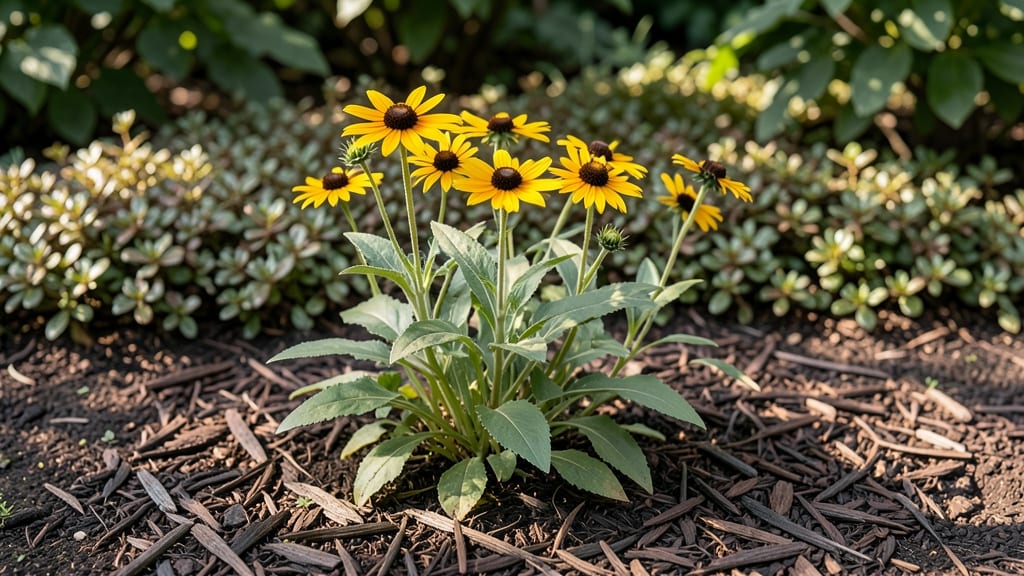
Daisies can grow in shade, though they thrive best in partial shade or full sun. Varieties like the Shasta daisy or certain gerbera daisies tolerate low light, but expect slower growth and fewer blooms compared to sun-exposed plants. Choose shade-friendly species for optimal results.
While daisies can survive in shady spots, their performance depends heavily on light exposure. 🌿 Full shade often limits photosynthesis, which directly affects flower production and stem strength.
I’ve seen shade-tolerant varieties like the African daisy (Osteospermum) produce vibrant blooms even in 3-4 hours of indirect light daily, though their growth rate will be noticeably slower than sun-loving cousins. The key is balancing light with moisture—shady daisies need consistent watering to compensate for reduced energy production.
For best results, prioritize partial shade (morning sun with afternoon shade) or dappled light from nearby trees. This mimics natural forest conditions where many wild daisies thrive. If your garden has deep shade, consider companion planting with hostas or ferns to create a more supportive microclimate.
Remember, even shade-tolerant daisies will reward you with occasional blooms—just set expectations lower than their sun-drenched counterparts.
💡 In This Article
- How Shade Affects Daisy Growth and Flowering
- Best Shade-Tolerant Daisy Varieties for Low-Light Gardens
How shade affects daisy growth and flowering
Daisies rely on photosynthesis to convert light into energy, and shade disrupts this process by limiting chlorophyll production. In deep shade (less than 3 hours of light daily), daisies may grow tall and leggy as they stretch toward available light, a condition called etiolation.
This happens because the plant prioritizes stem elongation over leaf development, weakening the structure and reducing its ability to support blooms. The chlorophyll in leaves absorbs light most efficiently in the blue and red spectrums, which are abundant in direct sunlight but scarce in shaded areas.
Partial shade (3-6 hours of light, preferably morning sun) offers a compromise by providing enough light for moderate growth while protecting delicate petals from harsh afternoon rays.
Under these conditions, daisies can produce 30-50% fewer blooms compared to full-sun varieties, but the flowers they do produce tend to be larger and more vibrant.
The trade-off is clear: more light equals more energy for flowering, but too much can scorch petals in hot climates. 🌞 Dappled shade—like that from a lace-leaf maple—creates ideal microclimates by filtering light evenly, reducing stress on the plant.
Flowering cycles are directly tied to light exposure. Daisies use a process called photoperiodism, where they detect day length to trigger bloom production. In shade, this internal clock gets confused, leading to sporadic or delayed flowering.
For example, Shasta daisies in full sun may bloom continuously from early summer to fall, while the same variety in deep shade might produce just one or two flushes of flowers per season. The energy saved from reduced photosynthesis often goes toward leaf and stem growth rather than reproductive efforts.
Moisture levels become critical in shaded gardens because daisies can't compensate for limited light by absorbing more water. Soil in shady areas stays damp longer, increasing the risk of fungal diseases like powdery mildew, which thrives in humid, low-light conditions.
To mitigate this, I recommend improving drainage with organic matter like compost, which helps roots access oxygen while retaining moisture. Mulching with 2-3 inches of shredded bark also regulates soil temperature and reduces evaporation, giving shade-loving daisies a fighting chance to thrive.
Consider the specific type of shade your garden receives. Reflected light from nearby buildings or light-colored surfaces can significantly boost growth, while dense tree canopies create deep shade that even tolerant varieties struggle with.
For instance, gerbera daisies in reflected light may produce 20% more blooms than identical plants under a thick oak tree. Testing your garden's light levels with a simple light meter or observing how nearby plants grow can help you predict daisy success in specific spots. 🌿
Finally, remember that daisies are not monolithic—their response to shade varies by species. Some, like the African daisy, have adapted to low-light conditions through evolutionary traits, while others, like the traditional English daisy, will always struggle in anything less than 6 hours of light daily.
Understanding these nuances is key to selecting the right variety for your garden's conditions.