
Light Requirements
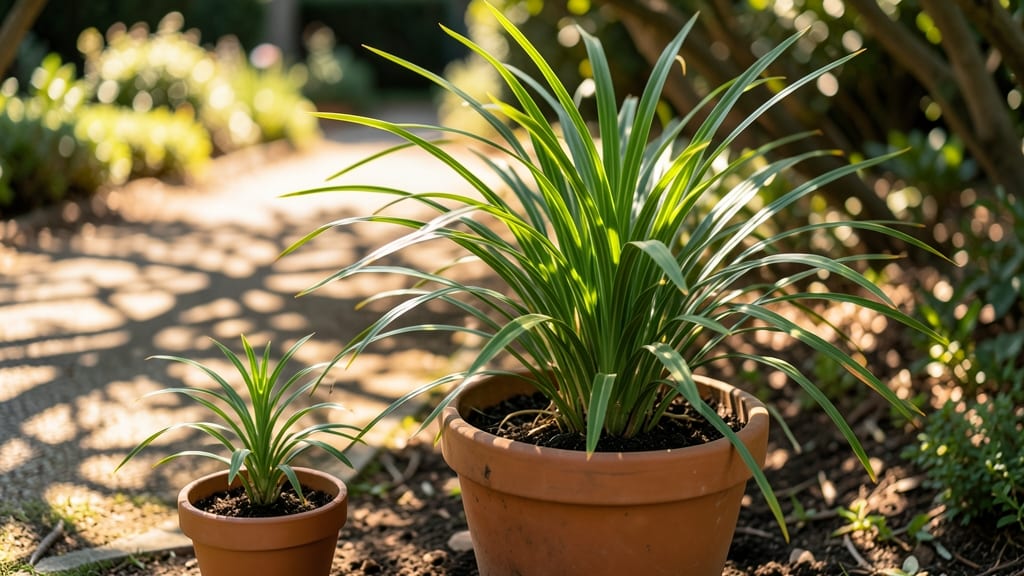
Lemongrass can grow in shade, but only if you meet its three key light requirements—and most gardeners miss at least one.
Picture this: your shady patio or north-facing yard, where basil wilts and mint struggles, but your fragrant 🌿 lemongrass thrives. It’s possible, but not without strategy. The difference between a stunted plant and a lush harvest often comes down to how you mimic its tropical roots in low-light conditions.
Here’s the truth: lemongrass isn’t just tolerant of shade—it can thrive in three specific zones, from dappled sunlight to deep shade, as long as you adjust humidity, soil, and even container placement.
I’ll break down which spots work, which don’t, and the one simple trick to boost growth when sunlight is scarce.
Ready to grow bold, flavorful lemongrass without full sun? Let’s dive into the shade zones that actually work—and the mistakes that kill your plants before they even sprout.


3 Best shade zones for growing lemongrass successfully
Lemongrass thrives in tropical climates but can adapt to shade conditions if you choose the right zone. Unlike sun-loving herbs, lemongrass tolerates partial shade and even filtered light, making it perfect for gardens with limited sunlight.
The key is understanding the light intensity and humidity requirements for each shade type.
Most gardeners assume lemongrass needs full sun, but with the right approach, you can grow it in 3 ideal shade zones: partial shade, dappled shade, and filtered shade.
Each offers different light levels, and knowing the differences helps you mimic tropical conditions even in less sunny spots. Let’s explore how to maximize growth in each zone.
Here’s a quick comparison of the best shade zones for lemongrass, including light requirements and care tips:
| Shade Zone | Light Intensity | Humidity Needs | Best For |
|---|---|---|---|
| Partial Shade | 4-6 hours sunlight | Moderate (50-70%) | Outdoor gardens, containers |
| Dappled Shade | 2-4 hours sunlight | High (70-80%) | Under trees, patios |
| Filtered Shade | Indirect light only | Very high (80%+) | Indoor windows, greenhouses |
The first zone, partial shade, is the most forgiving for lemongrass. This means your plant gets 4-6 hours of sunlight daily, typically in the morning or late afternoon.
Partial shade mimics the natural light patterns of tropical understories, where lemongrass originally grows. In this zone, you’ll see the best stem growth and flavor intensity.
For dappled shade, think of sunlight filtering through tree leaves, creating a patchwork of light and shadow. This zone provides 2-4 hours of sunlight, which is still enough for lemongrass to thrive if you boost humidity.
Use a humidifier or place the plant near a water feature to recreate tropical moisture levels. Dappled shade works well for container growing on patios or under large trees.
If your space only gets filtered light, like an east-facing window indoors, lemongrass can still grow—but it requires extra care. In this zone, the plant receives indirect light only, so you’ll need to supplement with a grow light for 6-8 hours daily.
Filtered light zones are ideal for indoor gardening, but monitor for leggy growth and prune regularly to keep stems compact.
To mimic tropical conditions in any shade zone, focus on soil moisture and air circulation. Lemongrass roots need consistently moist soil, so mulch with organic matter like coconut coir or compost.
Avoid waterlogging, as this can cause root rot. In containers, use a well-draining mix with perlite or sand to improve aeration.
Microclimates play a huge role in shade gardening. For example, a north-facing wall or a covered porch can create a cooler, shadier microclimate perfect for lemongrass. If your garden has hot afternoons, place the plant where it gets morning sun and afternoon shade.
This balance prevents stress while still providing enough light for growth.
For indoor growing, position lemongrass near an east-facing window for gentle morning light. If natural light is insufficient, use a LED grow light with a 12-hour photoperiod to simulate daylight.
Rotate the container weekly to ensure even growth. Indoor lemongrass may grow slower but will still produce usable stems with proper care.
Remember, even in shade, lemongrass needs regular pruning to encourage bushier growth. Trim stems back by one-third when they reach 12-18 inches tall. This practice not only keeps the plant compact but also boosts flavor intensity in the new growth.
Prune in the morning to allow wounds to heal before evening moisture sets in.
With the right shade zone and a few adjustments, you can grow fragrant lemongrass even without full sun. Whether you’re working with partial shade, dappled light, or filtered indoor conditions, lemongrass proves to be a resilient herb worth cultivating in any garden.
Start with the zone that matches your space, and don’t hesitate to experiment with humidity and light supplements for the best results! 🌿
How to adapt lemongrass to low-light conditions without sacrificing growth
Lemongrass thrives in partial shade but struggles when deprived of bright indirect light for extended periods. The key to success lies in mimicking its tropical habitat—rich soil, proper drainage, and strategic care adjustments. Even in low-light spots, your lemongrass can grow vibrant and productive with the right techniques.
Start by amending your soil with organic matter like compost or coconut coir. This improves nutrient retention and water drainage, both critical for shade-grown lemongrass. Aim for a loamy, slightly acidic soil (pH 5.5–7.0) to prevent nutrient deficiencies that worsen in low light.
⚠️ Can Lemongrass Grow in Shade?
Yes, but with critical adjustments. Lemongrass needs at least 4–6 hours of bright indirect light daily—even in shade. Without this, stems grow leggy and flavor weakens. Use reflective surfaces (mirrors, white walls) to bounce extra light onto plants.
Companion planting is another game-changer. Pair lemongrass with shade-tolerant allies like mint, comfrey, or ferns to create a microclimate with higher humidity. These plants help retain moisture in the soil and block harsh winds that stress lemongrass in low-light conditions.
Pruning plays a pivotal role in low-light adaptation. Trim leggy stems to encourage bushier growth and redirect energy to leaf production. Cut back yellowing or sparse leaves to prevent nutrient drain, and harvest outer stems first to avoid shocking the plant.
Regular pruning keeps lemongrass compact and flavorful even in shade.
For supplemental lighting, consider grow lights if your shade is extreme. A full-spectrum LED bulb (12–14 hours/day) placed 6–12 inches above the plant can boost growth by 30–40%. Position lights early morning or late afternoon to mimic natural sun cycles and avoid heat stress.
Finally, monitor soil moisture closely. Shade-grown lemongrass dries out slower but is prone to root rot if overwatered. Water deeply 2–3 times per week (less in winter) and mulch heavily with straw or wood chips to retain moisture and regulate temperature.
A for shade-specific care ensures you never miss a step.
With these strategies, your lemongrass will not only survive but thrive in low-light conditions—yielding fragrant stems and bold flavor all season long. 🌿