
Light Requirements
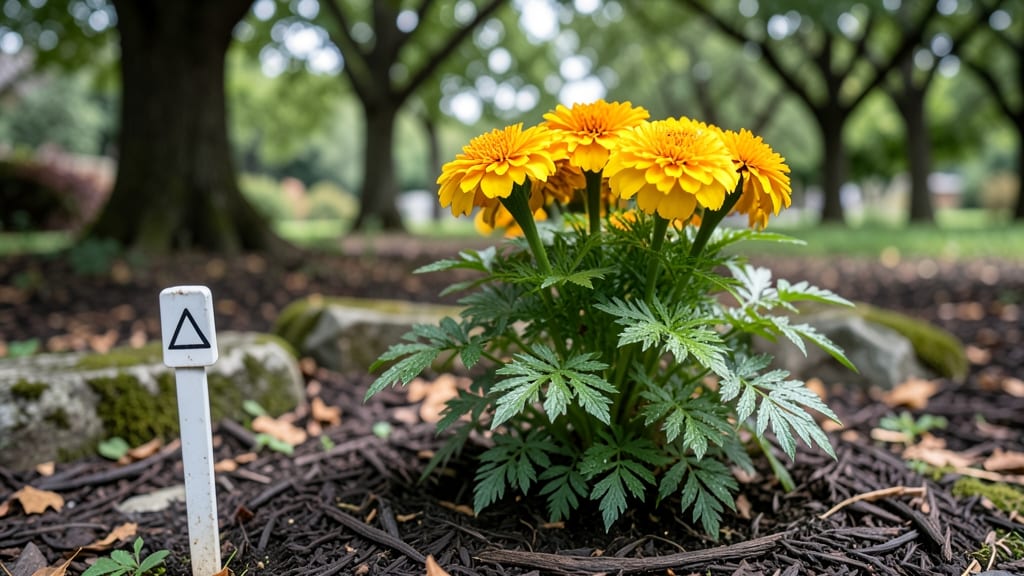
Marigolds can grow in partial shade but thrive best with at least 6 hours of sunlight daily. In shadier spots, they’ll produce fewer blooms and grow leggier, though variegated or dwarf varieties tolerate lower light better than standard types.
Marigolds are surprisingly adaptable to lower light conditions, but their performance depends heavily on how much indirect sunlight they receive. 🌿 When planted in areas with only 3-4 hours of filtered light, expect smaller blooms and less vigorous growth—this happens because photosynthesis slows down, reducing the energy available for flower production.
The good news? Some compact varieties, like 'Bonanza' marigolds, handle partial shade better than others, making them ideal for shaded garden beds or container gardens near buildings.
For best results, position marigolds where they can catch morning sun or dappled light throughout the day. If your garden has deep shade, consider mixing them with taller plants to create natural light pathways.
I’ve found that even in shady spots, marigolds still deter pests and add color—just don’t expect the same vibrant displays you’d get in full sun.
💡 In This Article
- How Partial Shade Affects Marigold Growth and Flowering
- Best Marigold Varieties for Low-Light Gardens
How partial shade affects marigold growth and flowering
Marigolds rely on photosynthesis to convert sunlight into energy, and when they receive less than 6 hours of direct light daily, their chlorophyll production slows down. This reduction limits the plant's ability to create glucose, which directly impacts flower development.
In full sun, marigolds produce vibrant blooms through rapid photosynthesis, but in partial shade, they allocate more energy to leaf growth rather than flower production. 🌞 The result? Fewer, smaller blooms and stems that stretch toward any available light—a phenomenon called etiolation.
Light intensity also affects pigmentation. Marigolds develop their signature orange and yellow hues through carotenoids, which require strong sunlight to synthesize properly. In shadier conditions, these pigments become diluted, leading to paler blooms.
For example, 'French Marigolds' grown in 4 hours of dappled light may produce flowers that are 30-50% less vibrant than those in full sun. The trade-off is that shaded marigolds often have thicker foliage, which can make them more resistant to wind damage.
Root development suffers too. Partial shade reduces soil temperature fluctuations, which can slow root growth and limit nutrient uptake. Marigolds in full sun develop deeper root systems that access more water and minerals, while shaded plants often stay shallow-rooted.
This explains why leggy marigolds in shade are more prone to toppling in storms or heavy rain. 🌧️ The solution? Stake taller varieties or plant them in well-draining soil to compensate for weaker structural support.
Seasonal light changes complicate matters. In spring and fall, when daylight hours are shorter, marigolds naturally produce fewer blooms. However, in summer's longer days, even partially shaded marigolds can rebound if given 3-4 hours of afternoon sun.
This is why many gardeners prioritize morning sun exposure—it provides the most consistent energy boost without overheating the plants.
Consider the light spectrum too. Partial shade often filters out blue and ultraviolet wavelengths, which are critical for flower formation. Without these wavelengths, marigolds may produce more leaves but delay blooming. This is why grow lights with full-spectrum bulbs can help indoor marigolds compensate for low natural light.
For outdoor plants, positioning near reflective surfaces (like light-colored walls) can bounce extra light onto the foliage.
One unexpected benefit of partial shade is pest control. Marigolds in lower light conditions often attract fewer aphids, as these pests prefer sunnier environments.
However, the trade-off is reduced pest-repellent efficacy, since their natural pyrethrin compounds (which deter insects) are less concentrated in shaded plants. 🐞 The balance between light and pest protection becomes a key consideration for organic gardeners.