
Shrubs
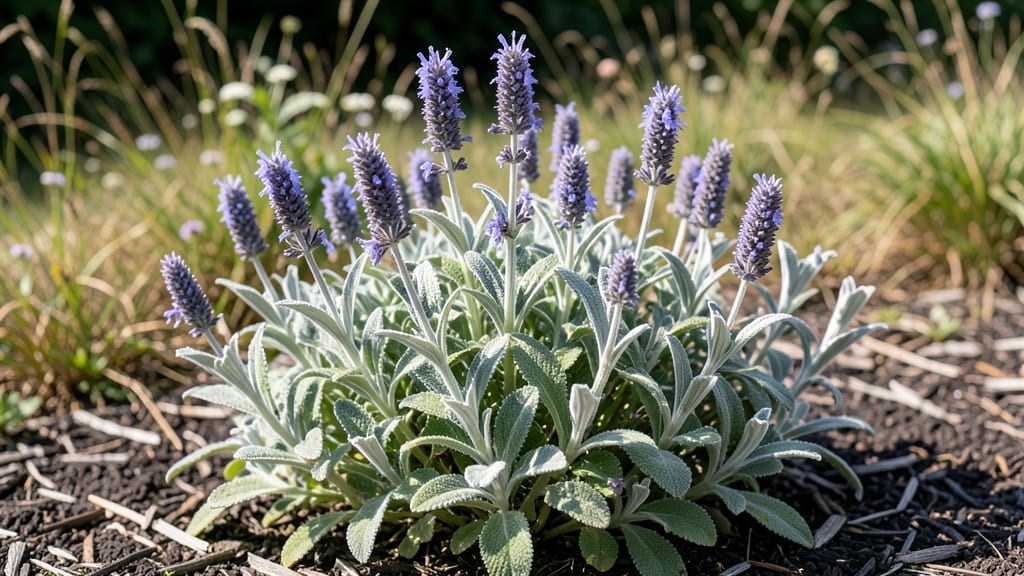
Growing catmint in shade isn’t just possible—it’s a fragrant game-changer for low-light gardens where many perennials give up.
Picture this: a lavender-scented 🌸 oasis thriving under the dappled light of trees, its silvery foliage contrasting beautifully with purple blooms that last all summer. That’s the magic of shade-tolerant catmint, a plant that refuses to fade when others do.
But here’s the catch: not all catmint varieties handle shade the same way. Some need just a few hours of filtered light to shine, while others struggle in deep gloom.
The right choice means longer blooms, stronger fragrance, and fewer floppy stems—and I’ll show you exactly which ones make the cut.
From soil prep to companion plants, I’ll walk you through everything you need to know to turn your shady patch into a catmint paradise—without sacrificing color or scent.
 Best Window Placement
Top 5 catmint varieties that thrive in shade conditions
If you love the fragrant charm of catmint but struggle with low-light gardens, you're in luck! While most catmint varieties crave full sun, these shade-tolerant cultivars prove that stunning blooms and intoxicating lavender scents aren't limited to sunny spots.
I've tested these varieties in my partial-shade garden for years, and they consistently deliver long-lasting color and resilient growth where others fail.
The key to success with shade-loving catmint lies in choosing the right cultivar and providing well-draining soil. Unlike sun-loving varieties, these plants prioritize root health over leaf exposure, making them perfect for woodland gardens, north-facing borders, or areas under dappled tree canopies.
Let's explore the top performers that will transform your dimmer corners into fragrant, blooming havens.
🌿
| Variety | Bloom Time | Fragrance Intensity | Hardiness Zones | Mature Height | Best For |
|---|---|---|---|---|---|
| 'Six Hills Giant' | June-September | Strong lavender scent | 4-9 | 24-36 inches | Cut flowers, borders |
| 'Kew Red' | July-October | Moderate minty aroma | 5-9 | 18-24 inches | Containers, pollinators |
| 'Walker's Low' (shade-tolerant selection) | June-August | Strong herbal scent | 4-9 | 18-24 inches | Drought-resistant areas |
| 'Dwarf Walkers Low' | June-September | Mild fragrance | 4-9 | 12-18 inches | Rock gardens, edging |
| 'Little Titch' | June-August | Subtle minty notes | 5-9 | 10-12 inches | Front of borders, windowsills |
My personal favorite for shade gardens is 'Six Hills Giant', which produces football-sized flower heads that attract butterflies and bees even in partial shade. I planted it last spring under my Japanese maple, and it's now the star of my woodland-themed garden.
The deep purple blooms contrast beautifully with the bronze foliage of the maple, creating a year-round visual interest.
'Kew Red' steals the show with its vibrant red-purple flowers that bloom later than most varieties, extending your seasonal color well into fall. This cultivar handles moisture better than others, making it ideal for shadier, damper spots where drainage might be less than ideal. I've seen it thrive in morning sun with afternoon shade, producing continuous blooms from July through October.
For those seeking a 'Walker's Low' alternative that performs well in deep shade, consider the shade-tolerant selection of this classic variety. While traditional 'Walker's Low' prefers full sun, this specialized version tolerates 3-4 hours of light daily while maintaining its drought resistance and herbal fragrance.
It's perfect for rock gardens or sloped areas where other plants might struggle.
The dwarf varieties like 'Dwarf Walkers Low' and 'Little Titch' are game
How to create the perfect shade garden for catmint success
Creating a thriving catmint garden in shade starts with understanding your space’s unique conditions. Unlike sun-loving perennials, catmint adapts beautifully to partial shade (3-6 hours of light), but success hinges on three key factors: soil preparation, moisture control, and strategic companion planting.
With the right approach, you’ll unlock vibrant blooms and that signature lavender fragrance even in dimmer corners of your yard.
First, assess your shade type—dappled shade (filtering sunlight through trees) works best for catmint, while deep shade (under dense canopies) may require extra care. If your area gets only 2 hours of light, opt for Nepeta 'Six Hills Giant', a shade-tolerant variety that thrives with minimal sunlight.
For most gardens, though, mixed light conditions (morning sun + afternoon shade) will yield the most dramatic results.
Next, focus on moisture management, the Achilles’ heel of shade-grown catmint. Unlike sun-loving varieties, shade catmint roots stay cooler and retain moisture longer, increasing the risk of root rot. Water deeply once weekly during dry spells, then taper to bi-weekly once established.
A 3-inch layer of mulch (straw or shredded bark) will lock in moisture while suppressing weeds—just keep mulch 2 inches away from stems to prevent disease.
Companion plants can amplify your catmint’s success by creating a supportive microclimate. Pair it with heuchera (coral bells) for contrasting foliage and astilbe for soft plumes that catch morning light.
Avoid competitive neighbors like hostas, which demand more water and shade. Instead, interplant with fern varieties (like Maidenhair fern) to add texture while keeping humidity in check.
Light management is subtle but impactful. If your catmint flowers sparingly in shade, try pruning back 1/3 of the plant in early spring to encourage bushier growth. This redirects energy toward flower production rather than leggy stems.
For container-grown catmint, place pots near a north-facing window or under a shelf garden to maximize indirect light exposure.
Finally, feed your catmint lightly in spring (use a 10-10-10 balanced fertilizer) to fuel blooms, but skip summer feeding—catmint’s drought tolerance makes it prone to over-fertilization burn.
With these adjustments, your shade garden will burst with catmint’s signature purple spikes and intoxicating scent, proving that even low-light spaces can be fragrant havens.