
Tools
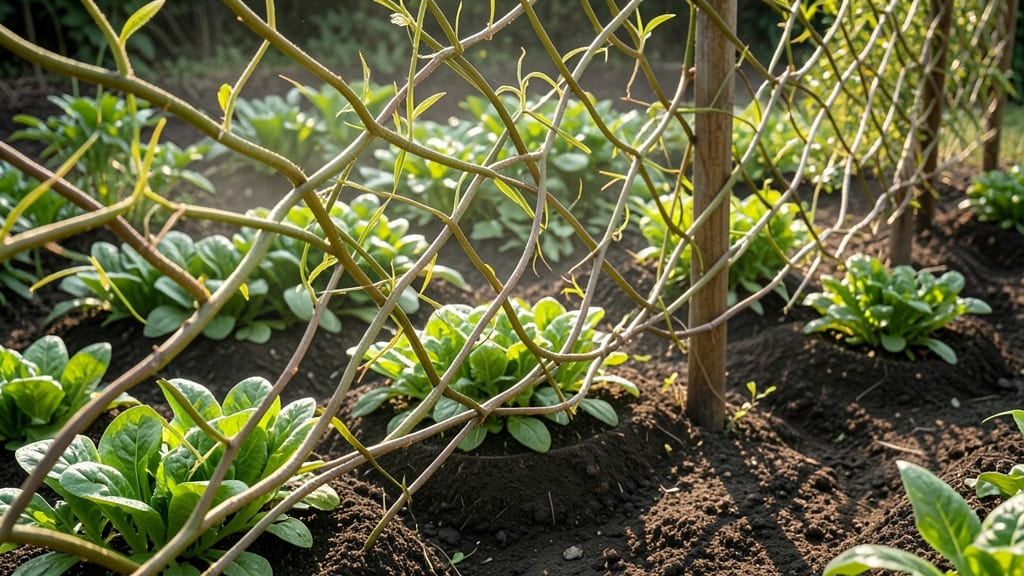
Transforming your garden into a thriving, space-efficient oasis starts with circular garden beds. These layered planting zones maximize growth, minimize waste, and create stunning visual appeal—perfect for both beginners and seasoned gardeners seeking year-round harvests.
Raised Wooden Circle with Herb Layers
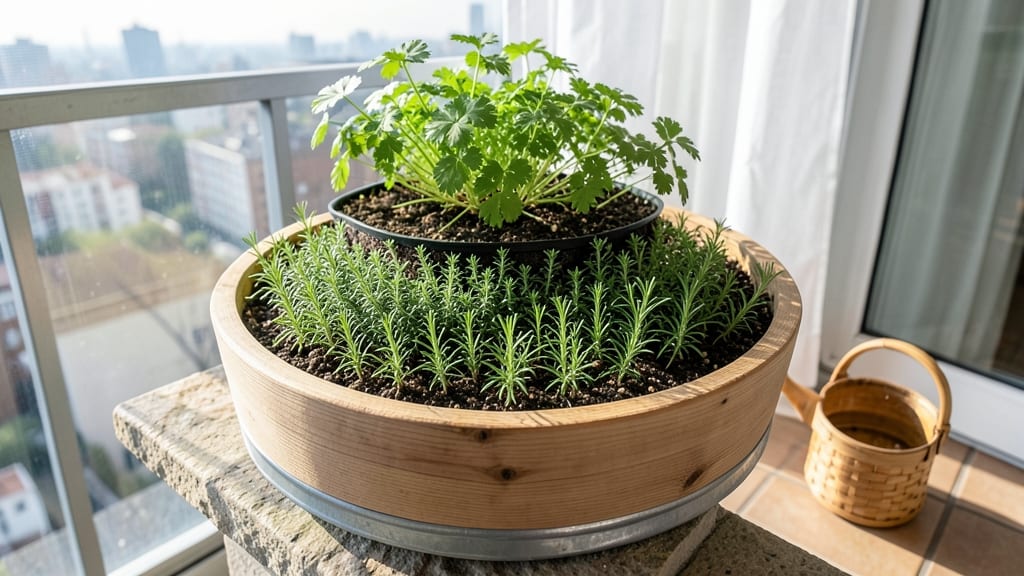
Turn your tiny balcony or patio into a fragrant, functional garden with a raised wooden circle designed for herb layers. This space-saving design lets you grow thyme, rosemary, and parsley in distinct soil layers, making maintenance a breeze while maximizing flavor and aroma in every bite.
Start by building a 2-3 foot diameter circle from cedar or redwood (naturally rot-resistant). Divide the bed into three soil layers: the top layer (6 inches deep) for shallow-rooted herbs like parsley, the middle layer (4-6 inches) for rosemary, and the bottom layer (4 inches) for thyme. Use a well-draining mix of compost, perlite, and coconut coir to prevent waterlogging. Place the bed in 6+ hours of sun for optimal growth, and mulch the surface to retain moisture.
This design is ideal for urban gardeners and culinary enthusiasts who want fresh herbs within arm's reach. Plus, the layered approach keeps pests at bay and makes harvesting effortless. 🌿
Stone-Edged Raised Bed with Succulent Spirals
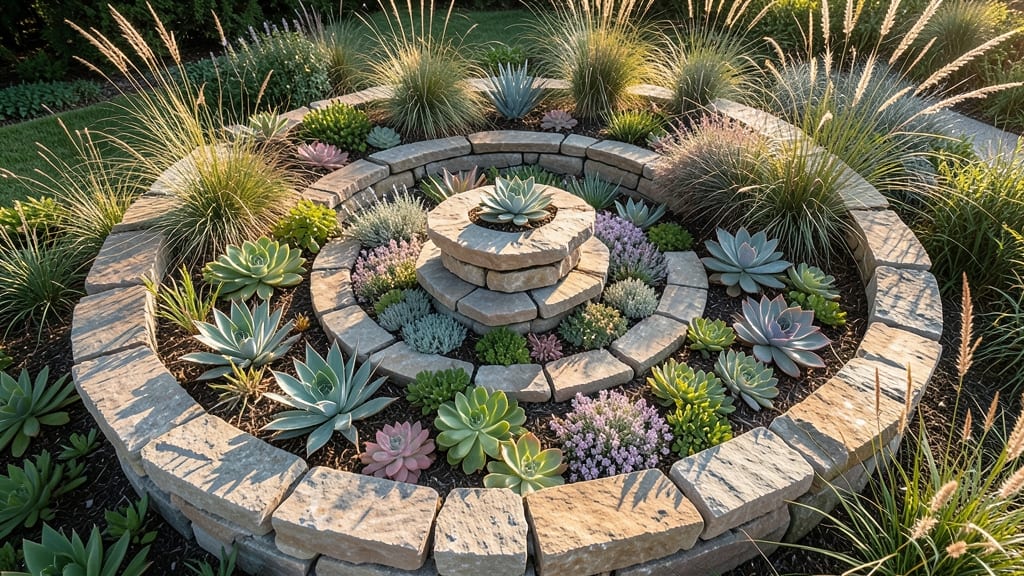
If you live in a drought-prone region or simply want a garden that thrives on neglect, this stone-edged raised bed is your answer. The spiral design isn’t just visually striking—it’s a functional way to showcase succulents and ornamental grasses while keeping water needs to a minimum.
Start by stacking flat stones in a concentric spiral, leaving a 12-inch-wide path between each layer. Fill the center with well-draining cactus mix and plant echeveria, sedum, or sempervivum in the innermost circle, transitioning to taller grasses like red fountain grass or blue oat grass toward the outer edges. The stones retain heat during the day and release it slowly at night, creating a microclimate perfect for drought-tolerant plants.
This design is ideal for gardeners in Mediterranean or desert climates who want a low-water, high-impact look. Plus, the spiral shape makes it easy to add new plants or rearrange existing ones without disrupting the entire bed. 🌻
Keyhole Garden with Central Compost Hub
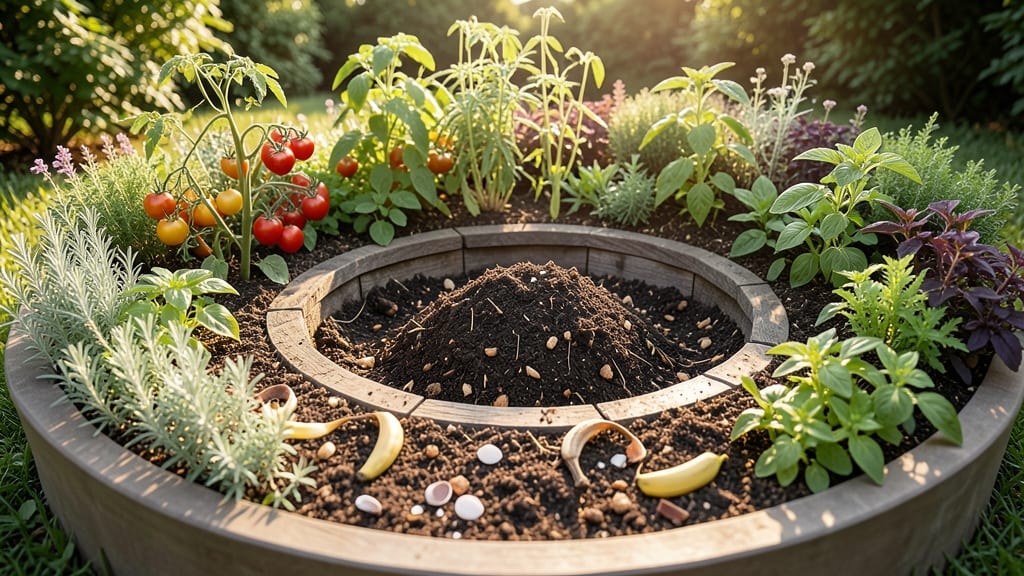
Turn your kitchen scraps into garden gold with a keyhole garden—a circular, compost-powered bed that turns waste into nutrients while maximizing every inch of space. This African-inspired design combines a central compost pit with layered planting zones, making it perfect for organic gardeners who want to minimize waste and boost soil fertility.
The central compost hub (a vertical pit filled with carbon-rich materials like straw or wood chips) sits in the middle of the keyhole shape, surrounded by concentric planting rings. As you add kitchen waste—fruit peels, coffee grounds, or veggie scraps—it decomposes directly into the soil, feeding your plants with nutrient-rich compost over time. Plant fast-growing crops like leafy greens, radishes, and carrots in the outer rings, while slower growers like tomatoes or peppers thrive closer to the compost hub’s warmth.
This design is a game-changer for urban gardeners, small spaces, or anyone committed to sustainable growing. The compost hub eliminates the need for separate compost bins, and the circular shape fits neatly into corners or alongside fences. Plus, the composting process stays hidden beneath the soil, keeping your garden tidy. 💚
Tiered Metal Planter with Edible Flowers
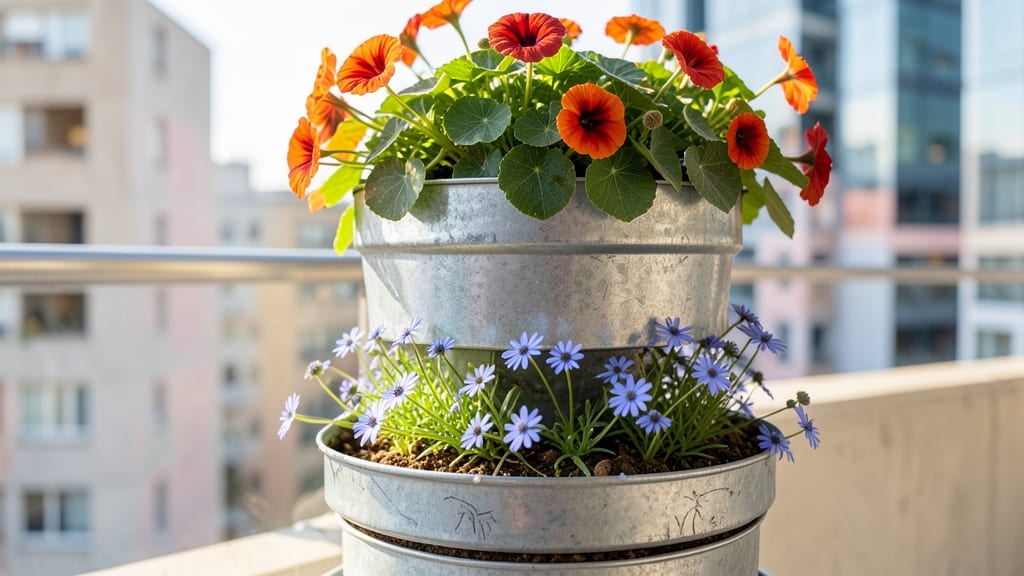
City dwellers with limited space can still grow a pollinator-friendly edible garden using tiered metal planters. These modern, weather-resistant rings stack vertically, maximizing square footage while keeping flowers like nasturtiums (edible and pest-repellent) and borage (with cucumber-flavored blossoms) within arm's reach.
Start with a stainless steel base planter (12-18 inches wide) and add 2-3 removable rings for layered planting. Place sun-loving herbs like thyme or oregano in the bottom tier, then add moisture-loving flowers like borage in the top rings. The metal stays cool in summer and won’t crack in winter, making it perfect for year-round urban gardening.
This design is ideal for balconies, rooftops, or small patios—no digging required. Plus, the edible blooms double as garnishes for salads, cocktails, or teas. 🌻
Sunken Earth Bed with Seasonal Layers
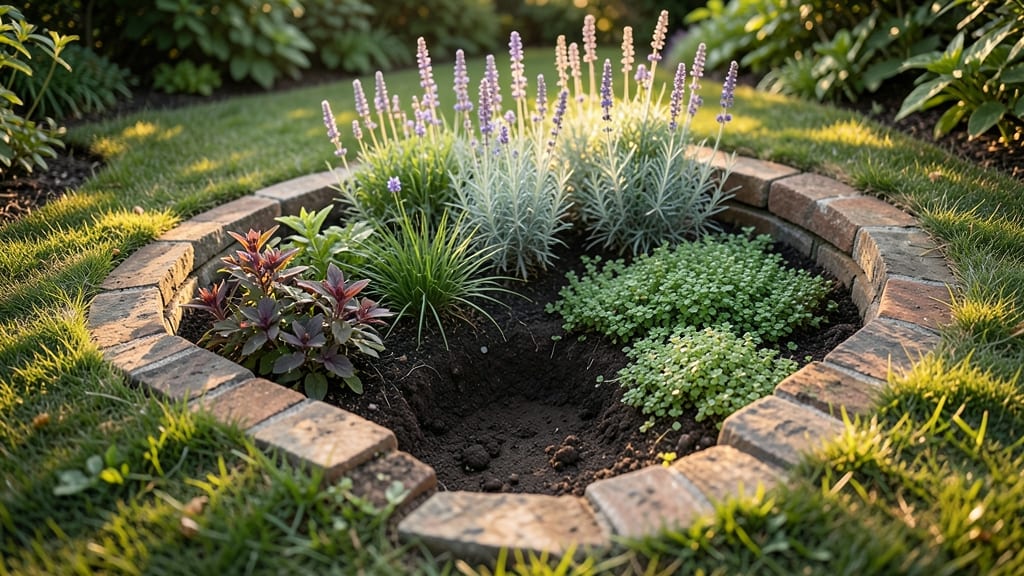
Struggling with a sloped yard that drains too quickly or overheats in summer? A sunken earth bed solves both problems while letting you grow year-round with minimal effort. This design sinks below ground level to harness natural moisture retention and cooler soil temperatures—ideal for transitioning between cool-season greens (like kale or spinach) and warm-season veggies (such as tomatoes or peppers).
Start by carving a shallow circular trench (12–18 inches deep) with slightly sloped sides for easy access. Line the bottom with compost-rich soil and add a 2-inch layer of organic mulch to lock in moisture. Plant taller crops (like corn or sunflowers) in the outer ring, mid-height plants (peppers, bush beans) in the middle, and low-growing greens (lettuce, radishes) in the center. The layered approach ensures every plant gets optimal sunlight while the sunken design keeps roots cool during heatwaves.
This method is a game-changer for gardeners in hot climates or areas with poor soil drainage—reducing water needs by up to 40% while extending growing seasons. Perfect for those who want low-maintenance, high-yield beds without the hassle of raised structures. 💚
PVC Pipe Vertical Circle with Climbing Plants
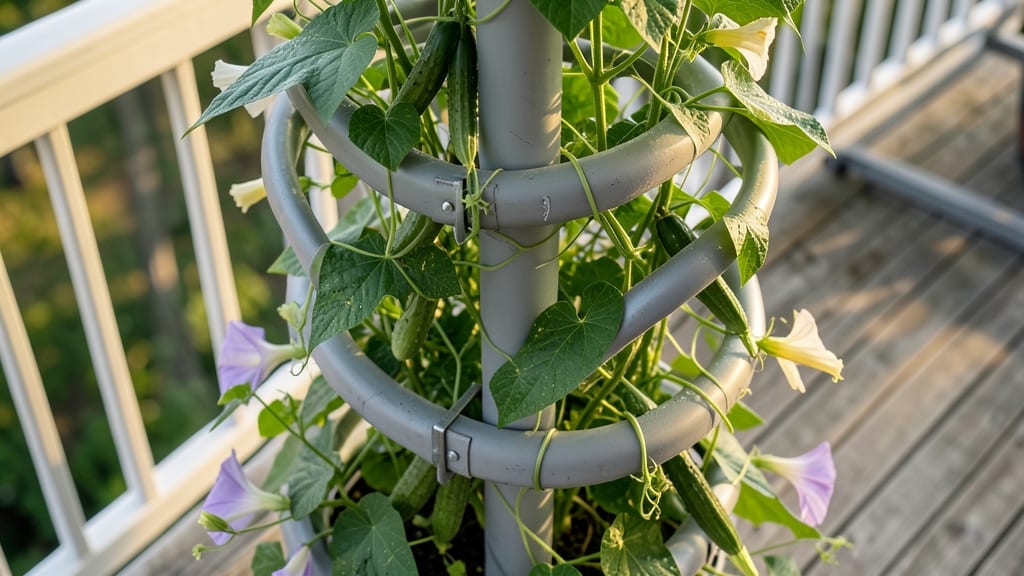
Turn your tiny balcony into a vertical harvest hub with a PVC pipe vertical circle—a clever, budget-friendly hack that transforms vining plants like cucumbers, pole beans, or morning glories into lush, space-saving displays. This design repurposes inexpensive PVC pipes into a circular trellis, letting you grow upward instead of outward.
Start by cutting pipes into 3-4 foot sections and arranging them in a circle, securing them with zip ties or PVC cement. Fill the center with potting soil and plant your climbers at the base. As vines grow, they’ll twist naturally around the pipes, creating a self-supporting spiral that maximizes sunlight exposure. For small spaces, this setup can produce 2-3 times more yield than ground-level planting.
Perfect for urban gardeners or renters, this design requires no heavy materials—just a drill, pipes, and a little creativity. Plus, the modular structure lets you expand or rearrange as your plants grow. 🌱
Mulch-Wrapped Log Circle with Perennials
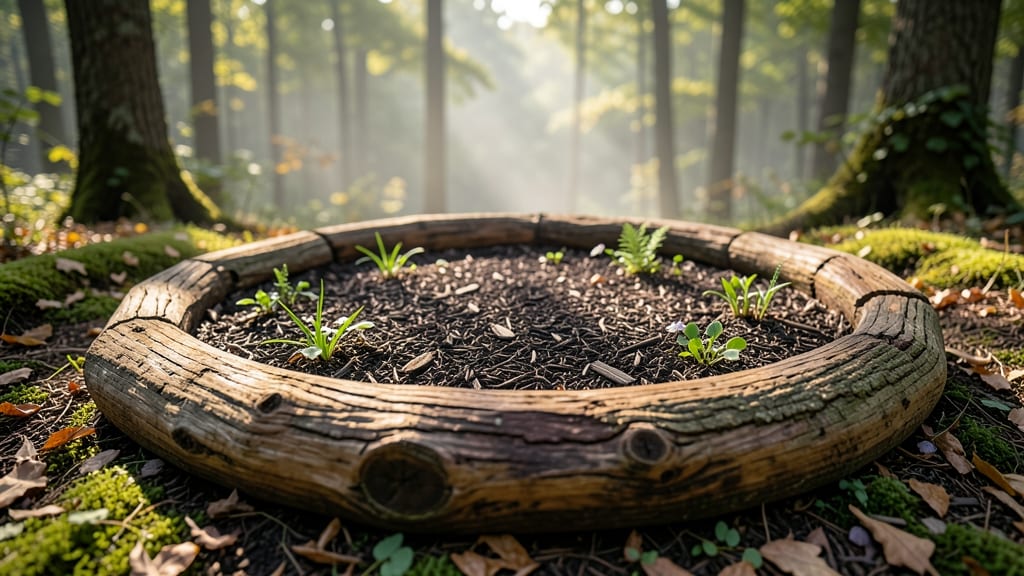
Skip the plastic edging and embrace the wild charm of a mulch-wrapped log circle—this rustic design blends seamlessly into woodland gardens while keeping weeds at bay. The logs act as a natural border, breaking down over time to enrich the soil, while the mulch layer retains moisture and regulates temperature for perennial plants like lavender and hostas.
Start by arranging logs in a circle (3–4 feet wide) and filling the center with a mix of compost-rich soil and mulch. Plant your perennials in clusters, leaving 12–18 inches between them for airflow. The mulch will also insulate roots during winter, protecting delicate varieties like heuchera or salvia from freeze-thaw cycles.
This low-maintenance design is perfect for gardeners who love a natural, long-term solution that reduces watering and weeding. Plus, the logs add a cozy, woodland aesthetic that thrives in partial shade to full sun. 🌿
Hugelkultur Mound with Wood and Compost
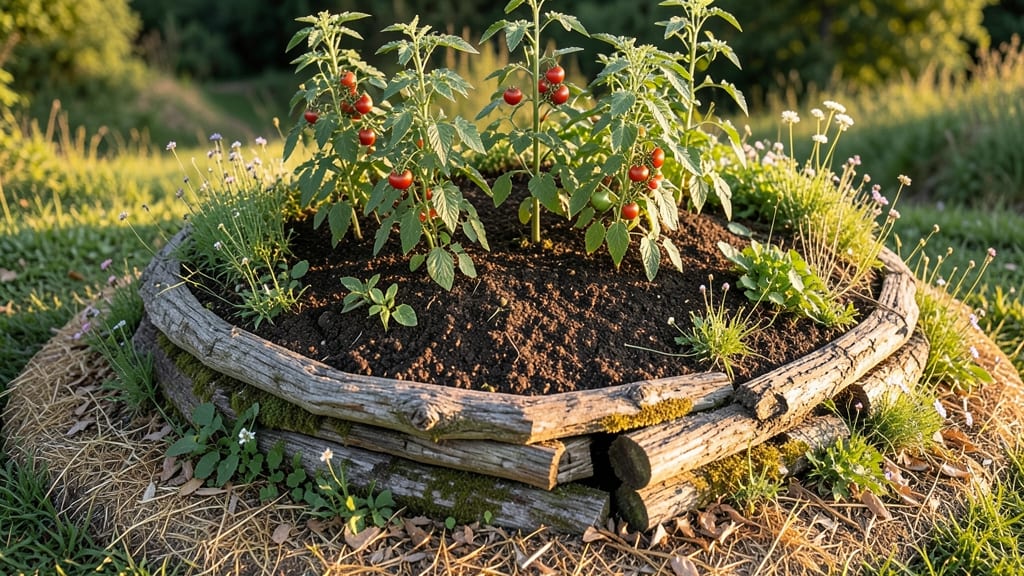
Want a low-maintenance, fertility-boosting garden bed that works harder than you do? The hugelkultur mound is your answer—a buried treasure of wood and compost that feeds your soil for years. This permaculture powerhouse is perfect for circular beds, especially when planting heavy feeders like tomatoes, peppers, and squash.
Start by layering branches, logs, and compost in a circular mound, then top with 12-18 inches of soil. The wood slowly decomposes, releasing nutrients and improving water retention—ideal for drought-prone areas. Plant directly into the mound, and watch your tomatoes thrive with minimal fertilization. Best for gardeners who love long-term sustainability and want to reduce waste.
This method is a game-changer for vegetable gardeners who want to cut back on synthetic fertilizers while creating a self-sustaining ecosystem. 🌱
Glass Jar Terrarium Circle with Microgreens
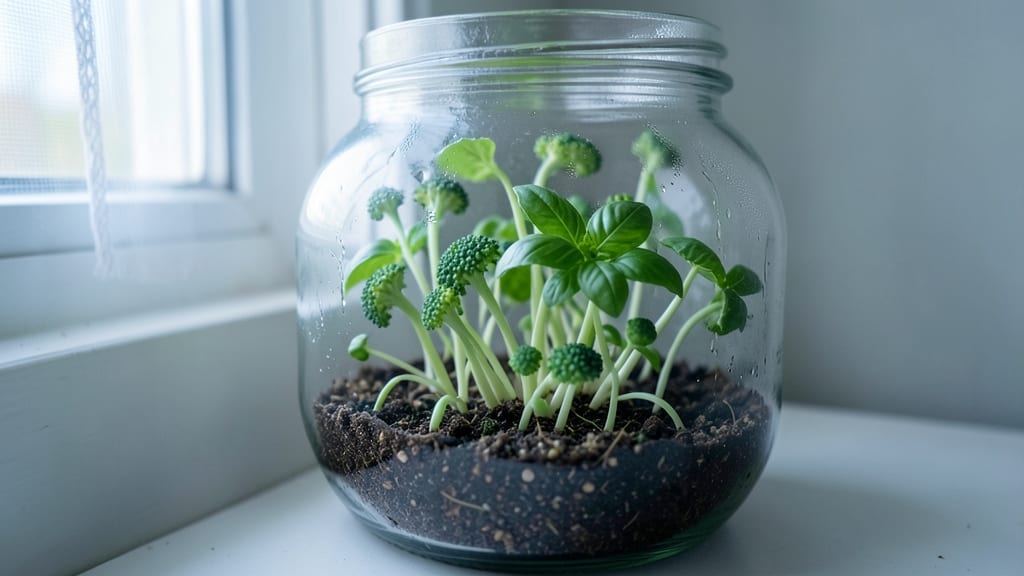
Turn even the dimmest corner of your home into a thriving microgreen garden with a glass jar terrarium circle. These repurposed jars act like tiny greenhouses, trapping humidity and warmth to help sun-starved greens like broccoli sprouts, pea shoots, or basil grow lushly—even in 500–1,000 lux (the light level of a typical office).
Start by layering pebbles at the bottom for drainage, followed by moistened sphagnum moss and a thin layer of seed-starting mix. Plant seeds densely (about ¼ inch apart) and mist lightly daily. Place jars in a rotating schedule under grow lights or near a north-facing window to ensure even growth. Harvest in 7–14 days by snipping just above the soil line—no need to uproot the whole plant!
This design is perfect for apartment dwellers, classroom projects, or shaded patios where traditional gardens struggle. Plus, the portable, low-maintenance setup lets you move your greens to catch sunlight or simply enjoy the living art on any surface. 💚
Living Willow Fence with Circular Beds

Want a privacy screen that doubles as a productive garden? A living willow fence weaves flexible branches into a living barrier while creating shaded circular beds perfect for moisture-loving greens like lettuce and spinach. This dual-purpose design transforms your yard into a lush, functional retreat.
Start by planting willow cuttings in a circular trench along your property line—space them 6 inches apart and train them to grow upward. As they thicken, weave the branches together to form a natural lattice. Inside the enclosure, create raised circular beds with well-draining, compost-rich soil to support leafy greens that thrive in partial shade. Water regularly to keep willows lush and greens thriving.
This design is ideal for urban homesteaders or eco-conscious gardeners who want to maximize space without sacrificing aesthetics. The willow branches also filter air and provide wildlife habitat, making it a win for both your garden and the planet. 🌿