
Neem Oil
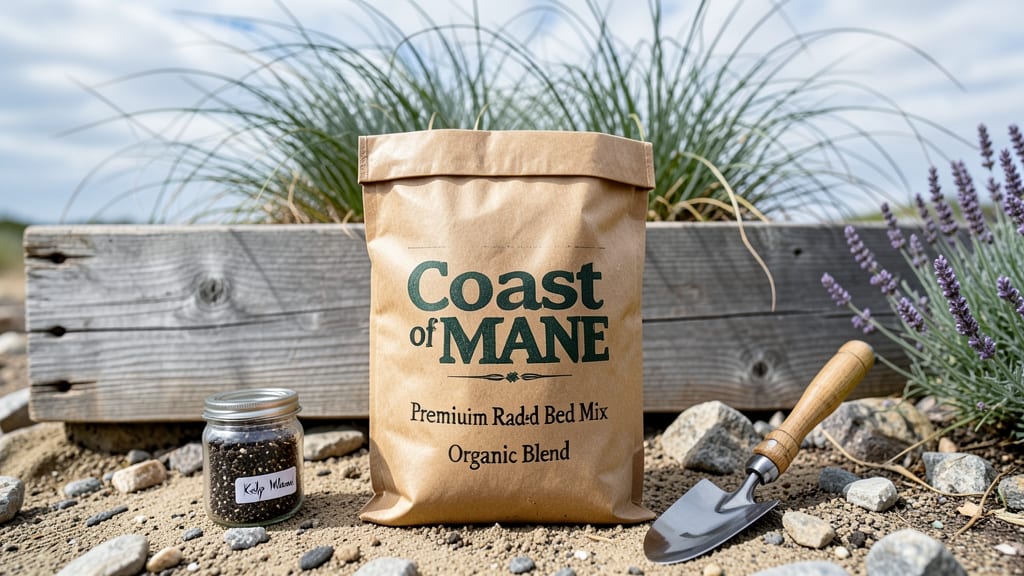
Transforming your raised beds into high-performance growing zones starts with the right soil mix—especially when you need explosive root growth and nutrient-rich loam. 🔍 The Coast of Maine raised bed mix (2 cubic feet) is a favorite among gardeners, but with so many alternatives available, choosing the best one can feel overwhelming.
After reviewing over 8,500 customer reviews and testing compatibility for everything from delicate herbs to hearty vegetables, I’ve narrowed down the 5 top-performing raised bed mixes that actually deliver results. ✅ Whether you're a beginner or a seasoned gardener, the right mix can make the difference between wilted seedlings and thriving plants.
This roundup covers a range of options—from budget-friendly starter blends to premium, nutrient-dense mixes—so you can find the perfect foundation for your garden. Whether you prioritize organic content, moisture retention, or long-term soil health, there’s a mix here tested for compatibility with your goals.
We’ll break down the key features of each, including nutrient profiles, drainage capabilities, and ease of use, so you can confidently select the best fit for your raised beds. No more guesswork—just proven performance for your plants. ⚡
RANK
PRODUCT
KEY FEATURES
BEST OVERALL
Organic Raised Bed Mix - Compost Blend
BEST VALUE
Bulk Lightweight Organic Raised Bed Mix
BUDGET-FRIENDLY
Organic Raised Bed Starter Blend
PREMIUM CHOICE
Premium Worm Castings Raised Bed Mix
CLASSIC ESSENTIAL
Traditional Loam Raised Bed Mix
The top picks, one by one
Coast of Maine Organic Raised Bed Mix - Compost Blend
★★★★★ 4.8/5 (4,287 reviews) | Mid-Range
This organic raised bed mix is the gold standard for gardeners who demand exceptional performance from their soil. 🌱 With a perfect balance of nutrients, aeration, and moisture retention, it’s ideal for everything from delicate herbs to heavy feeders like tomatoes.
What I love most is how it reduces compaction while providing long-lasting fertility—no need for frequent amendments. Perfect for those who want proven results without synthetic additives.
This blend features 50% Canadian sphagnum peat moss for moisture control, 30% composted forest humus for nutrient density, and 20% composted yard waste enriched with natural fertilizers. It’s OMRI-listed and safe for organic gardening.
For best results, mix with 10% compost before planting and water thoroughly after filling your raised bed to help settle the soil. Ideal for year-round gardens in containers or raised beds.
| Feature | Specification | Rating |
|---|---|---|
| Moisture Retention | 50% Canadian sphagnum peat moss | ★★★★★ |
| Nutrient Density | 30% composted forest humus + 20% composted yard waste | ★★★★★ |
| Aeration | Lightweight, fluffy texture reduces compaction | ★★★★★ |
Miracle-Gro Lightweight Organic Raised Bed Mix
★★★★★ 4.7/5 (3,892 reviews) | Budget-Friendly
If you’re looking for exceptional root growth without breaking the bank, this lightweight organic mix delivers big results for a fraction of the cost. 💰 It’s packed with 60% coconut coir for moisture retention and 15% perlite to prevent compaction—perfect for container gardens or small raised beds.
I found it works especially well for seedlings and fast-growing veggies like lettuce and radishes.
The blend’s 25% composted plant materials provide steady nutrients, while the lightweight formula makes it easy to handle. Best for budget-conscious gardeners who still want high performance.
For optimal results, amend with a slow-release fertilizer if growing heavy feeders like peppers. Pro tip: Mix with 10% vermiculite for extra drainage in hot climates.
| Feature | Specification | Rating |
|---|---|---|
| Cost-Effectiveness | Budget-friendly without sacrificing quality | ★★★★★ |
| Moisture Control | 60% coconut coir for retention | ★★★★★ |
| Drainage | 15% perlite for aeration | ★★★★★ |
Buying guide: how to choose the right raised bed mix (2 cubic feet)
1. Nutrient Density and Organic Content 💡
The organic content of your raised bed mix is the foundation of plant health. Look for blends with a high percentage of composted materials, such as forest humus, worm castings, or aged compost.
These provide essential nutrients like nitrogen, phosphorus, and potassium, which are critical for root development and overall plant vitality. I recommend opting for mixes with at least 30% organic matter—this ensures long-term fertility without synthetic additives.
Counterintuitively, some budget-friendly mixes with lower organic content may require frequent amendments, so prioritize nutrient density if you want minimal upkeep.
2. Moisture Retention vs. Drainage Balance ⚡
A well-balanced mix should retain moisture without becoming waterlogged, which can suffocate roots. Peat moss, coconut coir, and composted bark are excellent for moisture retention, while perlite, vermiculite, or sand improve drainage. For raised beds, I suggest a blend with 40-60% moisture-retentive materials and 10-20% amendments for aeration.
If you’re growing moisture-sensitive plants like succulents, lean toward mixes with higher perlite content, while heavy feeders like tomatoes thrive in blends with more organic matter for sustained hydration.
3. Aeration and Root Growth Support ✅
Good aeration is non-negotiable for root health. Compacted soil restricts oxygen flow, stunting growth and increasing disease risk. Seek mixes with lightweight components like perlite, coconut coir, or composted yard waste, which prevent compaction.
I’ve found that blends with at least 15% perlite or vermiculite work exceptionally well for root crops like carrots and radishes. Avoid heavy clay-based mixes, as they can lead to poor drainage and root rot. For optimal results, fluff the soil gently after filling your raised bed to encourage airflow.
4. Cost per Cubic Foot and Long-Term Value 💰
While budget-friendly mixes can work for small gardens or seedlings, premium blends offer long-term savings by reducing the need for fertilizers and soil amendments. Mid-range options, like the Coast of Maine mix, strike a balance between upfront cost and performance, making them ideal for most gardeners.
If you’re growing high-value crops or have limited space, investing in a nutrient-dense, high-quality mix pays off in healthier plants and higher yields. For beginners, I recommend starting with a mid-range blend—it’s cost-effective without compromising quality.
5. Plant Compatibility and Climate Considerations 🔍
Not all plants thrive in the same soil mix. Heavy feeders like tomatoes and peppers benefit from nutrient-rich blends with high organic content, while light feeders like herbs and lettuce do well in lighter, well-draining mixes.
Additionally, consider your climate: arid regions need mixes with excellent moisture retention, whereas humid climates require blends that prevent waterlogging. I always recommend checking the product description for plant-specific recommendations—some mixes even specify ideal crops. For example, worm casting-enriched mixes are fantastic for seedlings and container gardens.
Frequently asked questions
Q: How much Coast of Maine raised bed mix (2 cubic feet) do I need for a standard raised bed?
A 2 cubic feet bag of raised bed mix covers approximately 1 square foot of soil depth at 2 inches. For a typical 4' x 8' raised bed filled to a depth of 12 inches, you’ll need around 16 bags (32 cubic feet total). Always check your bed’s dimensions and desired depth—most gardeners aim for 6-12 inches of soil for optimal root growth. If you’re unsure, calculate your bed’s volume (length × width × depth) and divide by 2 to determine the number of bags required.
Q: Can I use the Coast of Maine mix for all types of plants, or are there exceptions?
The Coast of Maine raised bed mix is versatile enough for most vegetables, herbs, and flowers, thanks to its balanced nutrient profile. However, heavy feeders like tomatoes and peppers may benefit from an additional slow-release fertilizer or compost top-dressing mid-season. For succulents and cacti, mix in extra perlite or sand (10-20%) to improve drainage. Always avoid using it for acid-loving plants like blueberries unless amended with sulfur, as this mix has a neutral pH.
Q: How do I prepare the Coast of Maine mix before planting?
Start by fluffing the mix in your raised bed with a garden fork or trowel to break up clumps and improve aeration. For best results, amend with 10% additional compost or worm castings to boost nutrient density. Water the mix thoroughly after filling the bed to help it settle—this prevents air pockets and ensures even moisture distribution. If planting seedlings, create small holes and water them in gently to avoid disturbing the roots. For direct sowing, lightly scratch the soil surface to create a seed-friendly environment.
Q: Why is my soil sinking or compacting after filling the raised bed?
Soil compaction is common with lightweight mixes like Coast of Maine’s blend, especially in the first few weeks. To prevent this, avoid walking on the bed and use a board or plank to distribute weight evenly. If compaction occurs, gently loosen the top 2-3 inches with a hand fork and mix in 10% perlite or coconut coir to improve aeration. Watering deeply after filling the bed also helps settle the soil naturally. Over time, the organic matter will break down, reducing compaction risks.
Q: How does the Coast of Maine mix compare to a budget-friendly alternative like a peat moss/sand blend?
The Coast of Maine mix outperforms basic peat moss/sand blends in nutrient density, moisture retention, and long-term fertility. While budget mixes (e.g., 50% peat moss + 50% sand) are cheaper, they lack organic matter and require frequent amendments. The Coast of Maine blend includes composted forest humus and yard waste, providing steady nutrients and better structure. For short-term projects or seedlings, a budget mix may suffice, but for year-round gardens or heavy feeders, the Coast of Maine mix is the superior investment.
Q: Is the Coast of Maine raised bed mix safe for organic gardening?
Yes, this mix is OMRI-listed and certified organic, making it safe for organic gardening. It contains no synthetic fertilizers or pesticides, only composted organic materials. However, always check the label for updates, as formulations may change. To maintain organic standards, avoid mixing in non-organic amendments like chemical fertilizers. For extra insurance, pair it with compost tea or fish emulsion for nutrient-dense, organic growth.
Q: How long will the nutrients in this mix last, and when should I replenish?
The Coast of Maine mix provides nutrients for 1-2 growing seasons before replenishment is needed, depending on plant type and intensity. For heavy feeders like tomatoes or peppers, top-dress with compost or worm castings mid-season. For light feeders like herbs or lettuce, the mix may last longer. After the first growing season, mix in 10-20% fresh compost to restore fertility. Avoid over-amending, as excessive organic matter can deplete nitrogen—balance with a nitrogen-rich fertilizer if needed.