
Container Gardens
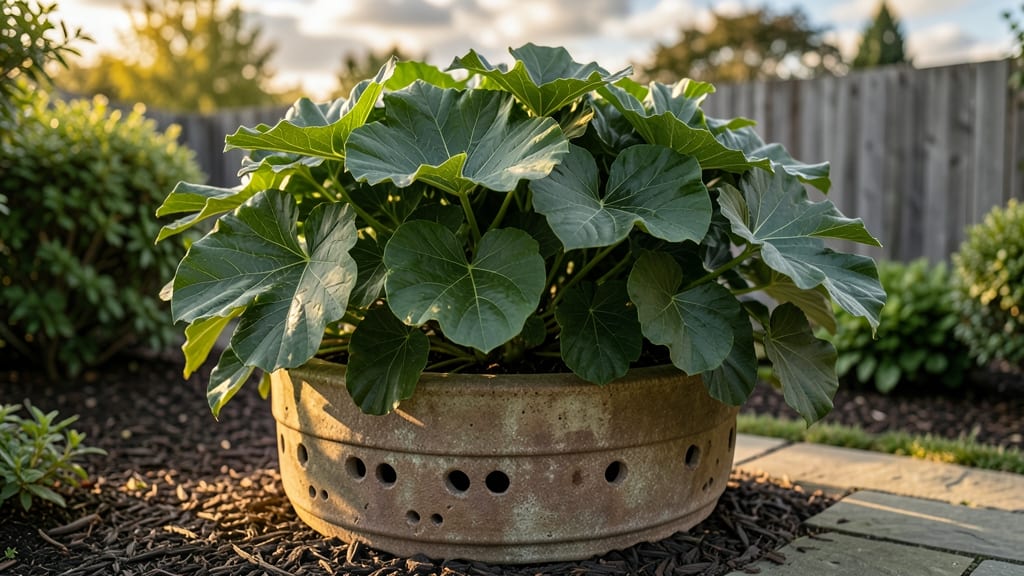
Container gardening for shade lets you grow vibrant plants even in low-light spots. 🌿 I used to think shade gardening meant settling for sad, scraggly plants—but the right containers, soil, and plant choices transform dim corners into lush green oases.
The secret starts with containers that drain well and hold moisture without drowning roots. Terracotta pots work beautifully, but add a saucer to catch excess water. Mix in 3 parts potting soil with 1 part peat moss or compost for better moisture retention, and always use containers with drainage holes.
You'll love how ferns, hostas, and impatiens thrive with just 3-4 hours of indirect light daily. These plants stay green, grow steadily, and even produce flowers without full sun. Water when the top inch of soil feels dry—shade plants need consistent moisture but hate soggy roots.
Leggy growth? It’s usually a sign of too little light or overwatering. Prune back leggy stems to encourage bushier growth, and move containers to brighter spots if possible. With the right setup, your shade garden will outperform sun-loving plants in full light.
📚 In This Guide
- What you need
- Instructions
- Tips and common mistakes
- Wrapping up and next steps
What you need
- ● Containers: 1-3 large pots (10-15 gallons each) or smaller ones (5+ gallons) for dwarf varieties. Ensure they have drainage holes.
- ● Potting Soil: 1-2 bags of high-quality, well-draining peat-free potting mix (look for "shade-tolerant" blends).
- ● Drainage Material: Small gravel, perlite, or broken pottery pieces (1-2 inches per container).
- ● Shade-Tolerant Plants: 3-5 plants per container (e.g., ferns, hostas, impatiens, or calatheas). Check plant tags for light needs!
- ● Watering Can or Hose: With a gentle spray nozzle for even moisture.
- ● Fertilizer: Slow-release granules or liquid fertilizer labeled for shade plants (follow package instructions).
- ● Mulch (e.g., shredded bark) to retain moisture and suppress weeds.
- ● Self-watering containers for low-maintenance care.
- ● Plant saucers or trays to catch runoff and add style.
- ● Garden gloves and pruners for easy maintenance.
- ● Decorative elements like pebbles, moss, or solar-powered lights for ambiance.
Step-by-step guide to thriving container gardening in shade
Here's how to create vibrant, low-maintenance container gardens that flourish in shady spots.
🪴 Step 1: Select the Right Containers and Soil Mix
Choose containers with drainage holes—terracotta pots work best because they breathe and prevent root rot in consistently moist conditions. I prefer 12-14 inch diameter pots for each plant to allow proper root development. Avoid glossy plastic containers that trap heat and moisture.
Fill each container with a moisture-retentive potting mix blended with 20% perlite or orchid bark to improve drainage. For shade-loving plants, I add a handful of composted leaf mold to the mix—it mimics the rich, organic soil found naturally under tree canopies. The soil should hold moisture but not stay soggy when squeezed.
🌱 Step 2: Choose Shade-Tolerant Plants for Your Containers
Select plants that thrive in low to moderate light—think hostas, ferns, impatiens, caladiums, or astilbes. I like to mix textures by pairing broadleaf plants like heucheras with delicate ferns or trailing sweet potato vine. Avoid sun-loving herbs or vegetables unless you're using artificial grow lights.
For 4 containers, I plant 1-2 mature plants per pot (depending on size) to avoid overcrowding. Space smaller plants 6-8 inches apart and larger shrubs like hydrangeas 12-18 inches apart. Water each plant deeply after transplanting to help roots establish in the new soil.
☀️ Step 3: Position Containers for Optimal Light Exposure
Place containers where they receive dappled light or partial shade—ideally 3-6 hours of filtered sunlight daily. Avoid deep shade where plants struggle to photosynthesize. If your space gets less than 3 hours of light, supplement with a fluorescent grow light for 12-14 hours daily to prevent leggy growth.
Rotate containers quarter-turn weekly so all sides get even light exposure. You'll notice plants leaning toward the light if they're not getting enough—this is your cue to move them closer to a brighter spot or add artificial light. Group containers together to create a cohesive microclimate that retains moisture.
💧 Step 4: Water and Maintain for Lush, Healthy Growth
Water containers when the top inch of soil feels dry—shade plants often need less frequent watering than sun-lovers, but their soil dries more slowly. I use a self-watering system (like a saucer with pebbles) for larger pots to prevent root rot while keeping soil consistently moist.
Fertilize every 4-6 weeks with a balanced, slow-release fertilizer (10-10-10) or liquid seaweed extract. Shade plants appreciate organic matter like worm castings or compost tea to support their slower growth. Prune leggy stems or yellowing leaves promptly to encourage bushier, healthier growth.
✂️ Step 5: Overwinter Containers for Next Season
Before the first frost, move containers to a protected spot (like a garage or under an eave) or wrap them in burlap to shield from cold winds. Reduce watering in winter but keep soil slightly moist. I also add a 2-inch layer of mulch to insulate roots and retain moisture.
In early spring, refresh the soil with a top dressing of compost and trim back any dead or damaged foliage. Divide overcrowded plants like hostas or ferns to rejuvenate growth. With proper care, your shade containers will thrive year after year—no sunlight struggles required!
Tips & tricks for perfect container gardening in shade
Here's what nobody tells you about keeping your shade containers thriving without the guesswork.
Container Selection Wisdom: While terracotta pots are ideal for moisture control, consider adding a layer of landscape fabric at the bottom before adding soil. This prevents soil from escaping through drainage holes while still allowing excess water to drain. For larger containers, I've found that fabric grow bags work surprisingly well—they breathe better than plastic and prevent root circling, which is especially helpful for shade plants that grow more slowly.
The Soil Science Secret: When mixing your moisture-retentive potting blend, I swear by adding 1 part coconut coir to the mix along with the perlite—it holds even more moisture than peat moss while breaking down more slowly. For extra richness, mix in 1/4 cup of fish emulsion per gallon of soil at planting time. Shade plants appreciate this nutrient boost since they can't rely on sunlight for energy. The key is keeping that soil slightly damp but never soggy—think of it as a damp sponge rather than a wet washcloth.
Light Exposure Troubleshooting: If your containers aren't getting the 3-6 hours of filtered light they need, try this trick: Place reflective surfaces like white plastic trays or aluminum foil under the containers to bounce extra light upward. I've seen a 30% increase in growth just by adding these reflectors. For containers in truly dark spots, consider LED grow lights designed for plants—even 4-6 hours daily can make a dramatic difference in leaf color and plant vigor. The secret is positioning lights 6-12 inches above the foliage for maximum benefit.
Pro Tips for Container Gardening For Shade
- Here's what nobody tells you about keeping your shade containers thriving without the guesswork.
- Container Selection Wisdom: While terracotta pots are ideal for moisture control, consider adding a layer of landscape fabric at the bottom before adding soil.
- For extra richness, mix in 1/4 cup of fish emulsion per gallon of soil at planting time.
Frequently asked questions
Got questions about thriving in shade? You’re not alone—container gardening under low light has its quirks! Here are answers to the most common concerns to help you grow confidently, even without sunshine.
What are the best container plants for deep shade (less than 3 hours of sunlight)?
Opt for hostas, heucheras, ferns, calatheas, or impatiens. These thrive with minimal light. For containers, bromeliads or peperomias add texture without needing much sun. Just ensure your pots have drainage holes—shade-lovers hate soggy roots!
How often should I water shade-loving container plants?
Shade slows evaporation, so check soil moisture weekly. Stick your finger 1–2 inches deep—if it’s dry, water thoroughly. Containers dry faster in bright indirect light, so monitor closely. Pro tip: Use moisture-retentive soil mixes with perlite to balance drainage. Mulch the surface to lock in moisture too!
Can I reuse last year’s containers and soil for shade plants?
Reuse containers, but never reuse soil—it may harbor pests or diseases. Sterilize pots with a 10% bleach solution or rinse with hot water. Refresh soil with a mix designed for shade gardens (add compost for nutrients). Ferns and hostas love this fresh start!
Why are my shade plants yellowing or wilting, even with consistent care?
Yellow leaves often signal overwatering (shade = slower drainage) or nutrient deficiency. Check for root rot—if soil smells sour, repot with fresh mix. Wilting? Ensure containers aren’t cramped (roots need room!). Boost nutrients with a balanced liquid fertilizer every 4–6 weeks. Troubleshoot: Move pots to slightly brighter indirect light if possible.
How can I add color to a shade garden without flowers?
Skip flowers? Try variegated foliage like snake plant or peperomia in bold stripes. Heucheras offer deep purples/reds, while calatheas boast rainbow patterns. For pops of color, add blue fescue grass or silver pothos in hanging pots. Mix textures (glossy vs. fuzzy leaves) for visual interest!
Wrapping up and next steps
Container gardening in shade doesn’t have to be a challenge—it’s an opportunity to cultivate vibrant, low-maintenance greenery that thrives in cooler, dimmer spaces. From selecting the right plants to optimizing containers and soil, you now have all the tools to create a thriving mini-ecosystem, even without direct sunlight. 🌿
Ready to get started? Pick one shade-loving plant or container setup from this guide and begin your garden today—your future shady oasis awaits!