
Shrubs
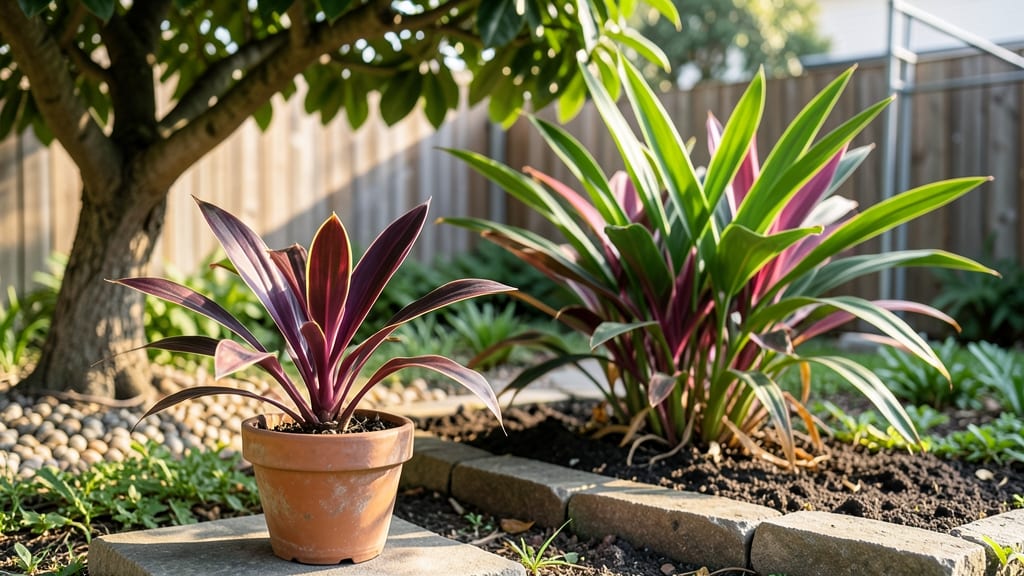
Cordyline thrives in sun or shade, but getting the balance right is the secret to those bold, vibrant leaves you love 🌿 — and the difference between a lush plant and one that looks tired.
Struggling to keep your cordyline’s leaves dull and lackluster? The battle between sun or shade exposure is the key to unlocking vibrant, year-round foliage—without guessing which conditions work best.
Here’s the truth: while cordylines handle both bright light and filtered shade, too much direct sun can scorch the foliage, while too little leaves them stretched and weak.
The trick is finding that sweet spot where your plant stays happy, whether it’s basking in morning rays or thriving under dappled shade.
In this guide, I’ll break down the ideal light conditions for different cordyline varieties, how to spot when your plant is begging for more (or less) sun, and practical tips to keep it looking its best—indoors or out.
 Best Window Placement
Optimal sunlight requirements for cordyline growth by variety
Cordylines are stunning tropical plants that thrive with the right balance of sunlight exposure. While they’re famously adaptable, their foliage vibrancy and growth patterns depend heavily on variety-specific light needs.
Some varieties bask in full sun, while others prefer dappled shade—getting this wrong can lead to pale leaves or sunburnt tips. Let’s break down the ideal conditions for your cordyline’s success.
Most gardeners assume all cordylines love shade, but the truth is more nuanced. Cordyline fruticosa (ti plant) and Cordyline terminalis (cabbage palm) actually crave sunlight for their boldest colors, while Cordyline australis (New Zealand flax) handles shade better. Understanding these differences ensures your plant stays healthy and showstopping year-round.
| Variety | Sunlight Needs | Shade Tolerance | Best Placement | Color Impact |
|---|---|---|---|---|
| Cordyline fruticosa | Full sun to partial shade | Moderate (avoid deep shade) | South or west-facing gardens, containers | Deep red/purple hues in sun |
| Cordyline terminalis | Partial shade to full sun | High (tolerates indoor light) | East windows, shaded patios, indoor bright spots | Variegated patterns brighten in indirect light |
| Cordyline australis | Partial shade to light shade | Very high (avoid direct sun) | North-facing gardens, under trees, indoor north windows | Green hues stay lush in filtered light |
| Variegated varieties (e.g., 'Atropurpurea') | Bright indirect light | Low (burns in direct sun) | East-facing windows, sheer curtains | Patterns fade without enough light |
For Cordyline fruticosa, aim for 6+ hours of sunlight daily to bring out its signature deep red or purple foliage. In hot climates, provide afternoon shade to prevent leaf scorch.
I’ve seen these plants thrive in containers on south-facing patios with morning sun and afternoon shade—perfect for urban gardens.
If you’re growing Cordyline terminalis, prioritize bright indirect light. This variety handles indoor conditions well, making it ideal for east or west-facing windows. The key is avoiding harsh midday sun, which can bleach out variegated patterns. Rotate your plant occasionally to ensure even growth.
Cordyline australis is the most shade-tolerant, making it a great choice for woodland gardens or north-facing yards. However, even this variety needs some light—deep shade leads to leggy, weak growth. I’ve successfully grown it under large oak trees where it receives dappled sunlight for 2-3 hours daily.
Variegated cordylines, like 'Atropurpurea', are the most sensitive to light. They need bright, indirect light to maintain their striking color contrasts. Place them near east windows or use sheer curtains to diffuse harsh afternoon rays.
Too much direct sun will cause the white or yellow stripes to turn brown and crispy.
Adjusting your cordyline’s light exposure is easier than you think. Start by observing leaf color changes—dull green means more light, while brown patches signal too much sun. For container plants, simply move them closer to or farther from a sunny window or outdoor light source.
In gardens, use shade cloth or mulch to regulate temperature and light intensity.
Pro tip: In temperate climates, cordylines benefit from winter sun exposure to compensate for shorter days. Conversely, in hot summers, provide afternoon shade to prevent heat stress. I’ve found that mulching around the base helps retain moisture and regulates soil temperature, which indirectly supports optimal light absorption.
Pair your cordyline with complementary plants to create a low-maintenance, high-impact display. For sunny spots, try agave or yucca; for shadier areas, hostas or heucheras work beautifully. The right neighbors enhance your cordyline’s natural beauty while creating a cohesive garden aesthetic.
Remember, cordylines are forgiving, but consistency is key. If you’re unsure about your plant’s variety, start with moderate light conditions
Signs your cordyline needs more sun or shade (and how to fix it)
Your cordyline might be silently screaming for help if its leaves start looking anything but vibrant. These striking plants thrive on balance—too much sun causes leaf scorch, while too little shade leads to stretched, pale growth. The key is reading the visual cues before damage becomes permanent.
Start by examining the leaf color. Healthy cordyline foliage boasts rich, deep hues—whether purple, green, or variegated. If you notice yellowing edges or brown crispy patches, your plant is begging for more shade. Conversely, dull, pale leaves or leggy stems with sparse foliage signal it’s craving sunlight.
⚠️ CALL OUT WARNING ⚠️
- Sunburned? Move to dappled shade immediately and prune damaged leaves to prevent fungal spread.
- Etiolated? Gradually introduce morning sun (2-3 hours) before full sun exposure to avoid shock.
- Seasonal shift? Adjust placement every 3 months—spring/summer needs more shade; fall/winter benefits from direct light.
💡 PRO TIP: Use a light meter (or phone app) to track 1,000–3,000 lux for ideal growth.
Don’t overlook growth patterns—your cordyline’s posture tells its own story. Leaning stems or overly stretched leaves are classic signs of light deprivation. On the flip side, thick, leathery leaves with sharply defined edges indicate it’s thriving in balanced conditions.
Even the flower stalks (if present) can clue you in: sparse or absent blooms often mean insufficient light.
Regional climate plays a surprising role. In tropical zones (USDA 10+), cordylines often prefer afternoon shade to avoid 3 PM sun intensity. Meanwhile, temperate climates (USDA 6-9) can handle more direct light, especially in spring and fall.
If you’re unsure, start with partial shade (30-50% sunlight) and observe for 2 weeks before adjusting.
For container-grown cordylines, mobility is your best friend. Rotate pots quarter-turns every 2 weeks to ensure even light exposure. If indoors, position near east-facing windows for gentle morning light, or supplement with a grow light 12 inches away for 6 hours daily.
Outdoor plants benefit from lightweight shade cloth (30-50%) during peak summer hours.
Remember: variegated varieties (like Cordyline 'Red Star') need even more caution—their white/pink stripes are sun-sensitive. Stick to bright indirect light for these beauties, and watch them reward you with bold, striped foliage instead of faded, washed-out leaves.
With these fixes, your cordyline will bounce back in 4-6 weeks of proper light management.