
Pests
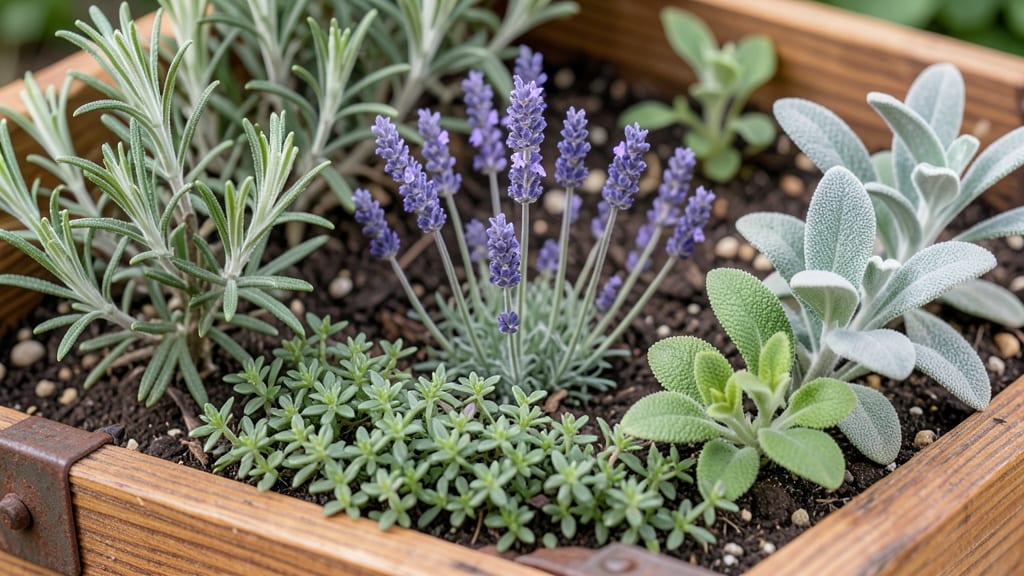
My deer-proof raised garden bed plans start with a 4-foot-tall frame—tall enough to block deer browses while keeping your veggies safe and accessible. 🌱 The key is combining height with smart materials: cedar resists rot, and metal corners add durability against curious hooves.
I learned this the hard way after losing an entire row of kale to midnight snackers last fall.
You’ll need 2x4s, hardware cloth, and corner brackets—simple supplies that create a fortress for your plants. The bed should be at least 4 feet wide for easy reach and 8 feet long to maximize space without sacrificing stability.
Add a 12-inch lip on top to prevent deer from jumping in, and secure the hardware cloth tightly to the sides.
Once built, fill it with deer-deterrent plants like lavender, marigolds, and rosemary along the edges. These fragrant companions confuse deer while adding beauty. Inside, grow tall varieties like pole beans or sunflowers—they’ll shade out weeds and make the bed less appealing to grazing animals.
For extra protection, integrate fencing around the perimeter or add motion-activated sprinklers near the bed. This combo has kept my garden intact for three full seasons, even in a neighborhood where deer outnumber humans. Ready to build your own? Let’s get started!
📚 In This Guide
- What you need
- Instructions
- Tips and common mistakes
- Wrapping up and next steps
What you need
- ● Lumber: 2x6 or 2x8 pressure-treated or cedar (rot-resistant) – 6–8 boards, 8 ft long (or pre-cut to size).
- ● Hardware cloth: 1/4-inch mesh – 1 roll (10 ft x 2 ft) (or enough to cover the bed’s perimeter and bottom).
- ○ Garden bed fabric: Landscape fabric (optional but recommended) – 1 roll (10 ft wide).
- ● Screws: Deck screws (2.5–3 inches) – 1 lb box (stainless steel or galvanized).
- ● Corner brackets: Heavy-duty metal or plastic – 4–6 pieces (for extra stability).
- ● Staple gun & staples: For securing hardware cloth and fabric.
- ○ Wood glue (optional): For extra reinforcement at joints.
- ● Drill/driver with screwdriver bits.
- ● Circular saw or handsaw (for cutting lumber).
- ● Measuring tape.
- ● Level (to ensure your bed is even).
- ● Work gloves (for handling hardware cloth and lumber).
- ● Pliers (for bending hardware cloth).
- ● Choose a sunny, well-drained location (deer love shade—keep them guessing!).
- ● Clear the area of rocks, weeds, and debris.
- ● Check local regulations—some areas restrict wood treatments (cedar is always a safe bet!).
- ● Pro tip: 💡 If your yard is heavily deer-populated, add a second layer of hardware cloth on the outside of the bed for extra defense!
Step-by-step instructions for building a deer-proof raised garden bed
Here’s how to construct a raised bed that deer can’t reach, using smart design and durable materials.
🪴 Step 1: Choose and Assemble the Frame
Select untreated cedar or redwood lumber for the frame—these woods resist rot and deter pests naturally. For a 4-foot by 8-foot bed, use 2x12 boards for the sides and 4x4 posts for corners. Cut two 4-foot lengths and two 8-foot lengths to form a rectangle, reinforcing corners with 3-inch exterior screws or galvanized nails.
Stand the frame on 12-inch tall legs (use short 4x4 posts or cinder blocks) to elevate the bed 18-24 inches off the ground. Deer can’t jump this high, and the height also improves drainage. Space legs 12 inches apart along the bottom edge for stability. If using blocks, place them on a landscape fabric barrier to prevent weeds from creeping up.
🌱 Step 2: Line the Bed with Protective Barriers
Before adding soil, line the inside of the frame with hardware cloth (½-inch mesh) or plastic deer fencing (¼-inch mesh). Staple or screw the mesh to the underside of the frame’s bottom boards, ensuring there are no gaps—even a 1-inch hole lets deer reach in. For extra security, fold the mesh 6 inches inward along the sides and secure it with landscape staples.
This barrier stops deer from pawing or browsing through the soil. If you’re worried about burrowing, extend the mesh 12 inches down into the ground outside the frame. Cover the mesh with cardboard or burlap before adding soil to prevent roots from tangling with it later.
☀️ Step 3: Fill with Soil and Mulch Strategically
Fill the bed with a 12-inch layer of compost-rich garden soil, mixing in slow-release organic fertilizer for a nutrient boost. Avoid garden soil from your yard—it’s often too compacted and may contain weed seeds. Top the soil with 2-3 inches of coarse mulch, like wood chips or straw, to suppress weeds and deter deer from jumping in.
Here’s the thing—deer are less likely to target a bed with strong, unpleasant smells. Sprinkle crushed garlic, cayenne pepper, or commercial deer repellent granules into the mulch layer. Refresh the repellent every 4-6 weeks or after heavy rain. Plant deer-resistant companions like lavender, rosemary, or marigolds along the edges—their scent acts as a natural deterrent.
✂️ Step 4: Add Top-Level Deterrents
Install 18-inch tall chicken wire or plastic fencing around the top edge of the bed, securing it with zip ties or staples. This creates a physical barrier that deer can’t climb over. For extra protection, drape floating row covers over the bed when deer activity spikes (early morning or late evening). These lightweight fabrics let sunlight and water through while blocking browsers.
Place deer-resistant plants like foxglove, daffodils, or Russian sage along the perimeter—their toxicity or strong fragrance sends deer packing. Avoid planting tender perennials or annuals in the first year; opt for sturdy vegetables (like kale or Swiss chard) or grasses that deer ignore. Over time, the bed’s mature plants will become less appealing.
🔄 Step 5: Maintain and Reinforce Year-Round
Check the hardware cloth and fencing twice a year—after winter storms or heavy rains, gaps can form. Replace any rusted or damaged sections immediately. Trim back overgrown mulch in spring to maintain the 2-3 inch layer, and reapply deer repellent in early summer when deer are most active.
Rotate crops annually to confuse deer (they learn patterns). If you spot chewed leaves or paw prints, reinforce weak spots with additional fencing or repellent. Over time, your bed will become a no-go zone for deer, and your harvest will thrive without a fight.
Tips & tricks for building a deer-proof raised garden bed
These practical strategies will help you create a fortress against deer that actually works—no more wasted harvests or frustrated gardening.
Material Selection Matters: Cedar and redwood aren't just about aesthetics—they contain natural oils that deter pests and resist rot better than pressure-treated lumber. If you're on a budget, treated pine works too, but seal the wood with a non-toxic exterior stain to extend its life. The 18-24 inch height is non-negotiable: deer can jump about 3 feet, but most won't bother with anything under 3 feet unless they're desperate. For extra insurance, add 12-inch tall legs to create that psychological barrier they instinctively avoid.
Barrier Installation Secrets: When securing your hardware cloth, overlap sections by 6 inches at corners and seams—this creates a continuous barrier that deer can't paw through. I've seen too many gardens fail because someone missed a 1-inch gap in the mesh. Pro tip: Use a staple gun instead of screws for the mesh—it's faster and creates fewer weak points. For the 12-inch downward extension against burrowing, drive a 1-inch deck screw every 12 inches around the perimeter to anchor it securely to the ground.
Soil and Mulch Strategy: The 12-inch soil layer might seem deep, but it's worth it for root development and moisture retention. For the mulch layer, I recommend hardwood chips over straw—they last longer and create a more formidable barrier. When adding your crushed garlic or cayenne pepper, mix it directly into the top 1 inch of soil rather than just sprinkling on top. This ensures the scent permeates the root zone where deer are most likely to dig. Refresh the repellent every 4-6 weeks or after heavy rain to maintain effectiveness.
Maintenance That Actually Works: The twice-yearly inspection is critical, but don't just look for obvious damage—check for rusted staples or loose mesh that might have developed over time. I've found that zip ties hold up better than staples for the 18-inch tall perimeter fencing because they don't rust and provide more tension. For the 2-3 inch mulch layer, maintain it consistently—thicker mulch deters deer better, but too much can suffocate plants. Aim for 2.5 inches year-round, adding more in early spring when deer are most active.
Pro Tips for Deer Proof Raised Garden Bed Plans
- These practical strategies will help you create a fortress against deer that actually works—no more wasted harvests or frustrated gardening.
- Material Selection Matters: Cedar and redwood aren't just about aesthetics—they contain natural oils that deter pests and resist rot better than pressure-treated lumber.
- Barrier Installation Secrets: When securing your hardware cloth, overlap sections by 6 inches at corners and seams—this creates a continuous barrier that deer can't paw through.
Frequently asked questions
How tall should deer-proof raised beds be to keep deer out?
Most deer can’t jump over 3 feet (36 inches), but taller beds (4+ feet) add extra security. Use chicken wire or hardware cloth on the sides for added protection. If your garden is near a wooded area, consider 6-foot-tall beds or a deer fence around the perimeter.
When is the best time to build a deer-proof raised bed?
Spring or early fall is ideal—before planting season (so you can start growing immediately) and after deer are less active (avoiding mating season in fall). If building in winter, bury hardware cloth at least 12 inches deep to prevent digging. Never wait until deer are already nibbling!
Are there affordable alternatives to hardware cloth for deer-proofing?
Yes! Try these budget-friendly options:
- Plastic fencing (1.5–2" mesh) – Cheaper but less durable; replace yearly.
- Electrified netting – A low-voltage shock deters deer without harm (solar-powered options available).
- Reflective tape or old CDs – Hang them to create movement and light flashes that scare deer.
What plants are deer least likely to eat in a raised bed?
Deer usually avoid strong-smelling or toxic plants, like:
- Marigolds, lavender, oregano, and thyme (herbs with pungent scents).
- Alliums (onions, garlic, chives).
- Snapdragons, foxgloves, and columbine (toxic or bitter).
My deer are still getting in—what’s my backup plan?
If deer persist, try these troubleshooting steps:
- Check for gaps—even small holes (1" wide) let them through. Bury wire 12" deep to block digging.
- Use motion-activated sprinklers (like ScareCrow) to startle them.
- Apply deer repellent sprays (rotten egg scent works best) weekly.
- Plant sacrificial crops (like lettuce) far from your raised bed to distract them.
Wrapping up and next steps
Building a deer-proof raised garden bed is your secret weapon against hungry critters while creating a thriving, low-maintenance space for your favorite plants! 🌱 With the right materials, smart design tweaks, and a little creativity, you’ll protect your harvest without resorting to harsh chemicals.
Now that you’re armed with predator-defying plans, it’s time to roll up your sleeves—your garden (and future salads!) will thank you.
Ready to start digging? Grab your tools, sketch your design, and review the supplies list one last time. Happy gardening—and may your veggies stay safely out of reach! 🚜✨