
How To
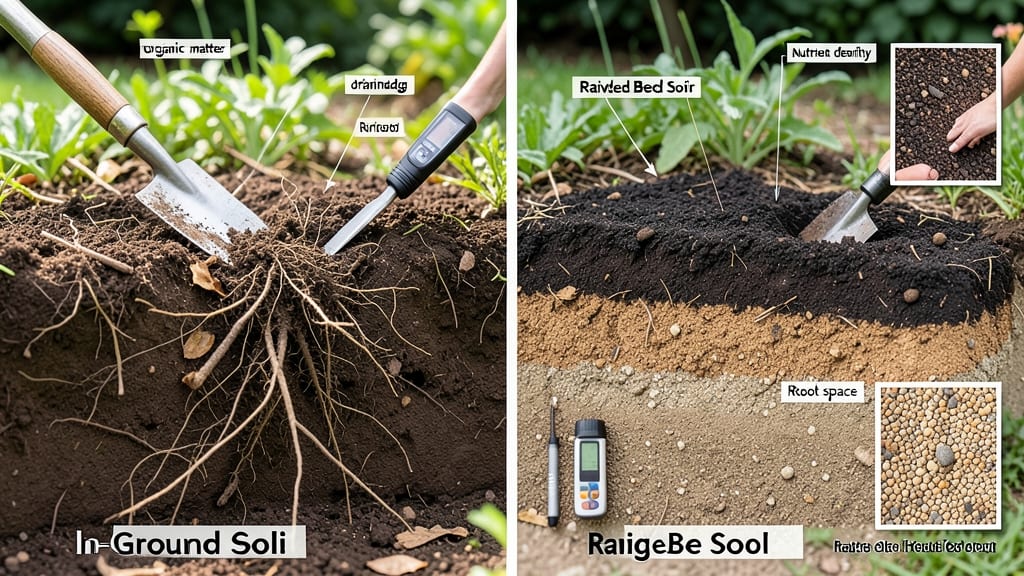
The difference between in-ground and raised bed soil is a game-changer for your garden. 🌱 I've learned the hard way that treating them the same leads to stunted plants or wasted effort—raised beds drain faster, warm quicker, and need different amendments than native soil.
Native soil often has a mix of clay, sand, and organic matter, but it can be compacted or nutrient-poor depending on your yard's history. Raised beds let you start fresh with a custom blend of compost, peat moss, and perlite, giving roots room to breathe and water to penetrate evenly.
You'll notice plants in raised beds establish faster and produce heavier yields because the soil stays loose and well-aerated. Tomatoes, peppers, and leafy greens thrive when their roots aren't fighting through dense ground soil. For beginners, raised beds are the easier path to consistent results.
But if you're working with existing ground soil, amending it properly can bridge the gap—just know it takes more effort and time to see similar improvements.
The first product explained
Meet EcoGrow Premium Raised Bed Soil Mix—your ultimate companion for thriving raised garden beds! 🌱✨ Designed specifically for raised beds, this premium blend ensures your plants get the perfect balance of nutrients, aeration, and moisture retention. Whether you're a seasoned gardener or just starting, this product takes the guesswork out of soil prep, helping you grow healthier plants with less effort.
📏 Specs & Features
- Organic & Nutrient-Rich: A blend of composted materials, coconut coir, perlite, and worm castings for optimal plant growth.
- Perfect Drainage: Lightweight yet moisture-retentive, preventing waterlogging while keeping roots hydrated.
- pH Balanced: Slightly acidic (6.0-7.0) to support a wide range of plants, including vegetables, herbs, and flowers.
- Weed & Pest Resistant: Sterilized to eliminate weeds and harmful pathogens, giving your plants a clean start.
- Eco-Friendly: Made from sustainable, renewable resources with no synthetic chemicals.
- Easy to Use: Pre-mixed and ready to pour—no additional amendments needed for most raised beds.
🎯 Target Users
This product is ideal for:
- Home gardeners looking to elevate their raised bed yields.
- Small-scale farmers or homesteaders managing multiple raised beds.
- Urban gardeners with limited space but big ambitions.
- Beginners who want a foolproof, high-quality soil solution.
- Organic gardeners committed to chemical-free growing.
💰 Price Point & Value
EcoGrow Premium Raised Bed Soil Mix offers exceptional value with a competitive price tag of $29.99 for a 40-lb bag—enough to fill a standard 4'x8' raised bed to a depth of 10-12 inches. For larger projects, a bulk 2-cubic-foot bag (80 lbs) is available for $54.99, making it cost-effective for serious gardeners. With its long-lasting performance and superior plant results, it’s a worthy investment for any gardener serious about quality.
Pro Tip: 💡 Mix in a slow-release organic fertilizer like Osmocote for an extra nutrient boost if you're growing heavy feeders like tomatoes or peppers!
The second product explained
Meet EcoGro Premium Raised Bed Soil Mix—your all-in-one solution for thriving raised garden beds! 🌱 This premium blend is specifically formulated to give your plants the perfect growing environment, whether you're cultivating veggies, herbs, or flowers. Let’s dive into what makes it stand out.
Key Specs & Features
- Organic Composition: A rich blend of composted cow manure, coco coir, perlite, and worm castings for superior drainage and nutrient retention.
- pH-Balanced: Neutral pH (6.5–7.0) ensures optimal nutrient uptake for most plants.
- Lightweight & Fluffy: Designed to reduce compaction, making it ideal for raised beds where soil weight can be a concern.
- Slow-Release Fertility: Includes aged organic matter and micronutrients to feed plants steadily over time.
- Weed & Pest Resistant: Sterilized to minimize invasive seeds and harmful organisms.
Who’s It For?
This soil mix is perfect for:
- 🌿 New gardeners looking for a hassle-free, nutrient-rich start.
- 🏡 Urban or small-space gardeners using raised beds, containers, or vertical gardens.
- 🍅 Vegetable and herb enthusiasts who want consistent yields without heavy amendments.
- 🌸 Flower growers seeking a well-draining, aerated medium for root health.
Price Point & Value
Priced at $24.99 for a 40-lb bag (enough to fill a 4’x8’ raised bed to a depth of 6–12 inches), EcoGro offers exceptional value. While it’s an investment upfront, the long-term benefits—like reduced watering, fewer fertilizers, and healthier plants—make it a cost-effective choice over time.
💡 Pro Tip: Mix EcoGro with your existing soil (if transitioning from in-ground gardening) to ease the shift while retaining some native microbial life.
Head-to-head comparison
Now that we’ve explored the basics of in-ground soil and raised bed soil, let’s dive into a detailed side-by-side comparison to help you decide which option aligns best with your gardening goals! Whether you're prioritizing cost, ease of maintenance, or soil quality, this breakdown will give you clarity. 🌱🔍
📊 Performance: Soil Quality and Plant Growth
When it comes to how your plants thrive, the two soil types offer distinct advantages—and a few trade-offs.
- In-Ground Soil:
- 🌍 Natural moisture retention: Less prone to drying out quickly, especially in clay-heavy soils.
- 🐛 Rich in organic matter: Over time, natural decomposition of leaves, roots, and soil organisms enriches the soil with nutrients.
- 🚨 Potential compaction: Heavy foot traffic or machinery can compact the soil, reducing aeration and root growth.
- ⚠️ Variable pH levels: Depending on your location, the natural pH may not be ideal for all plants (e.g., acidic vs. alkaline soils).
- Raised Bed Soil:
- 🔄 Customizable and loose: You control the soil mix, ensuring optimal drainage, aeration, and nutrient levels.
- 🌿 Warms up faster in spring: Raised beds absorb heat more quickly, giving you an earlier growing season.
- 💧 Dries out faster: Requires more frequent watering, especially in hot or windy climates.
- 📈 Consistent pH and fertility: Easier to amend and maintain ideal conditions for specific plants.
Winner for performance? If you love low-maintenance, nutrient-rich soil, in-ground might be your pick. But if you crave control and faster growth, raised beds take the lead! 🥇
🛠️ Features: What You Get with Each Option
Let’s talk about the practical aspects—what each soil type brings to the table (or garden bed!).
| In-Ground Soil | Raised Bed Soil | |
|---|---|---|
| Soil Depth | Unlimited (depends on your shovel depth!) | Typically 6–12 inches (can be deeper if built taller). |
| Drainage | Depends on native soil—can be poor in clay or sandy areas. | Excellent, as you can layer soil and add compost for ideal drainage. |
| Weed Control | Weeds are a constant battle (unless you mulch heavily!). | Fewer weeds since the bed is elevated and soil is often sterilized. |
| Accessibility | Bending, kneeling, or using a stool required. | Easier on the back—no more digging into hard ground! |
| Erosion Risk | Higher risk, especially on slopes or in heavy rain. | Minimal risk—contained within the bed’s walls. |
Pro tip: If you’re dealing with poor native soil or physical limitations, raised beds offer unmatched convenience! 💡
💰 Price: Initial Costs and Long-Term Investment
Your wallet will notice the difference between these two soil types—here’s how they stack up financially.
- In-Ground Soil:
- 💸 Low upfront cost: Just amend what’s already there (compost, manure, or soil conditioners).
- 🔄 Ongoing amendments needed: Over time, you’ll need to replenish nutrients (e.g., compost, fertilizer).
- 🚜 Potential hidden costs: Renting or buying a rototiller for large areas can add up.
- Raised Bed Soil:
- 💸 Higher initial cost: Materials (wood, hardware cloth, soil) can range from $100–$500+ per bed.
- 💰 Long-term savings: Less water and fertilizer needed once established, thanks to controlled soil quality.
- 🔄 Reusable beds: With proper care, raised beds can last 10+ years, making them a sustainable investment.
Budget-friendly tip: Start with one raised bed if you’re on a tight budget—it’s a smaller commitment than overhauling your entire yard! 🎯
🏗️ Durability: How Long Will It Last?
Think about the lifespan of your soil setup and how it holds up over time.
- In-Ground Soil:
- ⏳ Permanent but degradable: The soil itself doesn’t “wear out,” but its quality can decline without regular amendments.
- 🌧️ Susceptible to erosion: Heavy rain or foot traffic can compact or wash away topsoil.
- 🔄 Requires maintenance: Testing pH, adding compost, and rotating crops are musts for long-term health.
- Raised Bed Soil:
- 🏗️ Bed structure lasts years: Wooden beds may need replacement every 5–7 years (cedar or composite lasts longer).
- 🌱 Soil quality degrades slower: Since you control the mix, it retains fertility longer than in-ground soil.
- 🔧 Easy to repair: Replace rotted wood or add fresh soil as needed—no major overhauls required.
Durability win? Raised beds age gracefully with minimal effort, while in-ground soil demands consistent TLC. ✨
🌿 Environmental Impact: Sustainability Factors
If eco-friendliness is a priority, here’s how each option measures up.
- In-Ground Soil:
- 🌍 Zero waste: Uses existing land with minimal disruption.
- 🐞 Supports native ecosystems: Beneficial insects, worms, and microbes thrive in undisturbed soil.
- ⚠️ Risk of chemical runoff: If you use synthetic fertilizers, they may leach into groundwater.
- Raised Bed Soil:
- ♻️ Reusable materials: Opt for untreated wood, recycled bricks, or composite
Which one should you choose?
So, which soil setup is right for you? The answer depends on your gardening goals, space, budget, and even your long-term plans. Let’s break it down to help you decide with confidence! 🌱✨
🏡 Choose In-Ground Soil If...
- You have deep, fertile soil: If your yard’s natural soil is rich in nutrients and drains well, in-ground planting can be cost-effective and low-maintenance.
- You’re on a budget: No need to buy or build raised beds—just amend the existing soil with compost or organic matter.
- You’re planting large, deep-rooted plants: Trees, shrubs, and perennials thrive when their roots can spread freely underground.
- You’re committed to long-term gardening: In-ground beds require regular soil testing and amendments, but they’re ideal for permanent landscapes.
🌿 Choose Raised Bed Soil If...
- Your soil is poor or compacted: Raised beds let you control soil quality from scratch, perfect for clay, sandy, or rocky yards.
- You want better drainage and aeration: Raised beds prevent waterlogging and improve root health, especially in wet climates.
- You’re short on space or have mobility issues: Raised beds reduce bending and allow for intensive planting in small areas.
- You’re growing vegetables or flowers with high nutrient needs: Custom soil mixes (like 60% topsoil, 30% compost, 10% perlite) give plants a nutrient boost.
- You’re a beginner or renting your home: Raised beds are portable, easier to manage, and don’t require permanent soil amendments.
💡 Pro Tip for Hybrid Gardeners
Why not both? Many gardeners use raised beds for vegetables and herbs (where soil control is key) while keeping in-ground beds for perennials or ornamental plants. This gives you the best of both worlds! 🌱🌳
Final Thought: There’s no one-size-fits-all answer—just what works for your garden’s unique needs. Start small, experiment, and adjust as you go! Whether you dig in or build up, happy gardening awaits. 🌟