
Plants
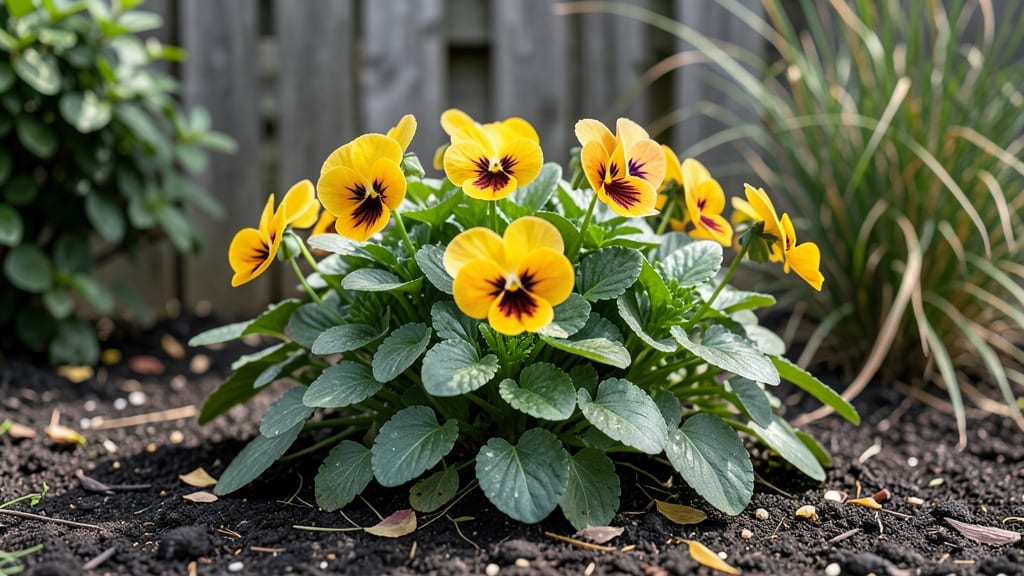
Do pansies like sun or shade—or do they prefer a happy medium where they can flourish without wilting or bolting? 🌿 I’ve grown them in both sunny and shady spots, and the difference is night-and-day: cool, colorful blooms last all season when they’re not fried by afternoon heat.
In cooler zones (like mine in Zone 5), they handle morning sun beautifully, but afternoon shade keeps them from fading. Too much direct sun? Flowers scorch and leaves turn yellow. Too little light? They stretch and stop blooming. The sweet spot is dappled shade—think under trees or near north-facing walls.
You’ll see more vibrant flowers and bushier plants when they get 4-6 hours of morning sun paired with afternoon shade. In containers, move them to shade during peak heat. The secret is watching their leaves: if they look crispy, they’re getting too much sun.
Works for borders, containers, or even window boxes—just adjust based on your summer heat. Here’s how to spot the perfect spot!
📚 In This Guide
- What you need
- Instructions
- Tips and common mistakes
- Wrapping up and next steps
What you need
- ● Pansy plants: 6–12 plants (depending on desired coverage). Choose cold-hardy varieties like Viola × wittrockiana for best results.
- ● Well-draining potting mix: 5–10 gallons (or enough to fill your chosen containers). A blend of 50% peat moss/compost, 30% perlite or vermiculite, and 20% sand works wonders.
- ● Garden soil (if planting outdoors): Amend with 2–3 inches of compost to enrich nutrients.
- ○ Containers (optional): 6–12-inch pots with drainage holes, or window boxes if you’re growing in partial shade indoors.
- ● Slow-release fertilizer: 10–20-10 or 14-14-14 ratio (follow package instructions for application rates).
- ● Mulch: 1–2 inches of shredded bark or straw to retain moisture and regulate soil temperature.
- ● Watering can or hose with a gentle spray nozzle: Pansies prefer consistent moisture but hate soggy roots.
- ○ Gloves and knee pads (optional but helpful): For comfortable planting and weeding.
- ● Shade cloth (10–30% coverage): For areas with intense afternoon sun.
- ● Epsom salt: A sprinkle (1 tbsp per gallon of water) every 4–6 weeks boosts magnesium for vibrant blooms.
- ● Companion plants: Pair with snapdragons or sweet alyssum for a pollinator-friendly display.
- ● Decorative rocks or pebbles: For a polished look in containers.
- ● Plant markers: To label varieties if you’re growing a mix.
How to plant and care for pansies in their ideal light conditions
Pansies thrive where many flowers fail—here's how to give them the perfect balance of light and care.
🌱 Step 1: Choose the Right Location for Partial Sunlight
Pansies prefer morning sun with afternoon shade—think dappled light under trees or a north-facing spot. I always plant mine where they get 3-6 hours of direct sunlight daily, but never the harsh afternoon rays that can scorch their delicate petals. A south-facing window with sheer curtains works well for container pansies.
Test your spot by placing a white piece of paper in the sun for an hour. If it gets too hot to touch, the light is too intense. Pansies in full sun may bolt (send up flower stems) quickly, while those in deep shade produce fewer blooms. The ideal location gives them bright but gentle light all day.
☀️ Step 2: Prepare Soil for Cool-Season Growth
Pansies love rich, well-draining soil that stays cool—never let them sit in soggy ground. I mix 2 inches of compost into the top 6 inches of soil to improve fertility and drainage. Their roots need air, so avoid heavy clay or compacted soil. For containers, use a light potting mix with perlite to prevent waterlogging.
Work in a handful of balanced fertilizer (10-10-10) at planting time to give them a nutrient boost. Pansies are heavy feeders, especially in spring and fall. You'll see vibrant colors and bushier growth when the soil is properly amended—this is their secret to thriving in cooler weather.
💧 Step 3: Plant at the Right Depth and Water Consistently
Set pansies 1 inch deeper than their nursery pots to stabilize them in wind or rain. Space them 8-12 inches apart for full, colorful displays. Water immediately after planting to settle the soil around roots. Pansies need 1 inch of water weekly, but check soil moisture—if the top 1 inch feels dry, it's time to water.
Water at the base, not overhead, to prevent fungal diseases like powdery mildew. I use a gentle spray nozzle to avoid disturbing the soil. Mulch with 2 inches of straw or shredded leaves to retain moisture and keep roots cool. Overwatering is worse than underwatering—pansies hate soggy feet.
✂️ Step 4: Maintain Blooms Through Deadheading and Seasonal Care
Pinch off spent blooms every 2-3 days to encourage nonstop flowering. I use clean fingers or small scissors to snip stems just above the next set of leaves. This simple step keeps pansies producing blooms for months—even in winter. Without deadheading, they'll focus energy on seed production instead of new flowers.
In hot summer, pansies go dormant and may stop blooming. I let them rest in partial shade with minimal water until fall. When temperatures drop below 75°F, they perk up again. Fertilize lightly in early spring and fall with a low-nitrogen (5-10-10) formula to promote blooms over leafy growth.
Tips & tricks for perfect pansy planting and care
Between us, these little flowers are total divas about their light and soil—get it right, and they'll reward you with months of blooms.
Light Location Secret: That 3-6 hour morning sun window is non-negotiable. I've learned the hard way that afternoon sun turns their petals crispy—like leaving a delicate paper in direct sunlight. For containers, rotate them every few days so all sides get equal morning light exposure. Think of it as their daily vitamin D, but gentle.
Soil Prep Game-Changer: The 2 inches of compost in the top 6 inches of soil isn't just about nutrients—it's about creating that perfect airy environment their roots crave. I swear by adding a handful of perlite to my in-ground beds too, especially in heavy clay areas. This prevents that dreaded "soggy feet" scenario that kills pansies faster than anything.
Watering Wisdom: That 1 inch weekly measurement assumes average conditions. In summer heat, you might need to water every 4-5 days instead. I test by sticking my finger in the soil—if it feels drier than a desert, it's time. And here's the thing: the mulch layer (that 2 inches of straw) is your secret weapon against evaporation and temperature swings.
Deadheading Discipline: I know it sounds tedious, but those 2-3 day intervals make all the difference. The plants literally thank you by producing more blooms. I keep a small pair of clean scissors by my gardening stool—snip and toss the spent blooms into the compost bin. It's like giving them a little pep talk: "Keep going, you're doing great!"
Pro Tips for Do Pansies Like Sun Or Shade
- Between us, these little flowers are total divas about their light and soil—get it right, and they'll reward you with months of blooms.
- Light Location Secret: That 3-6 hour morning sun window is non-negotiable.
- Soil Prep Game-Changer: The 2 inches of compost in the top 6 inches of soil isn't just about nutrients—it's about creating that perfect airy environment their roots crave.
Frequently asked questions
Got questions about keeping your pansies happy? You’re not alone! Here are some of the most common queries—and straightforward answers—to help your flowers thrive in their perfect light conditions.
Can pansies grow in full sun?
While pansies can handle a few hours of morning sun (especially in cooler climates), they prefer partial shade. Too much direct afternoon sun can cause wilting, bleached petals, or even heat stress. If you’re in a hot zone, opt for dappled shade or filtered light instead.
How much shade is too much for pansies?
Pansies need at least 4–6 hours of light daily—even if it’s indirect. If they’re tucked in deep shade (like under a dense tree), they’ll stretch leggy and produce fewer blooms. A spot with morning sun + afternoon shade is ideal for most gardens.
Will pansies survive winter in the shade?
Pansies are winter-hardy and actually thrive in cooler, shaded spots during cold months. In fact, they often bloom more prolifically in shade when temps drop. Just mulch lightly to protect roots from freezing—no fuss required!
Can I grow pansies in containers with shade?
Yes! Containers are great for pansies in shade, but choose well-draining soil and a pot with some airflow to prevent rot. Place them where they get bright, indirect light (like near a north-facing window or under a patio umbrella). Just keep soil moist—not soggy!
What if my pansies look sad in shade?
Leggy stems or sparse blooms? Your pansies might be light-deprived. Try moving them to a sunnier spot gradually (acclimate them over a week) or supplement with a grow light for 4–6 hours daily. Yellowing leaves? Check for overwatering or poor drainage instead!
Still stumped? Drop your pansy predicament in the comments—we’re happy to help troubleshoot!
Wrapping up and next steps
So, do pansies prefer sun or shade? The answer is simple: they thrive in partial shade or bright, indirect light—especially in warmer climates. These cool-weather darlings love a cozy spot where they can bask in morning sun or dappled shade, avoiding harsh afternoon rays.
With the right balance, your pansies will reward you with vibrant blooms and lush foliage all season long! 🌸
Ready to give them the perfect home? Start by observing your garden’s light conditions—then plant with confidence! Whether you’re tucking them into a shady corner or a sunlit border, your pansies will thank you with their cheerful faces. Happy gardening! 🌿