
Plants
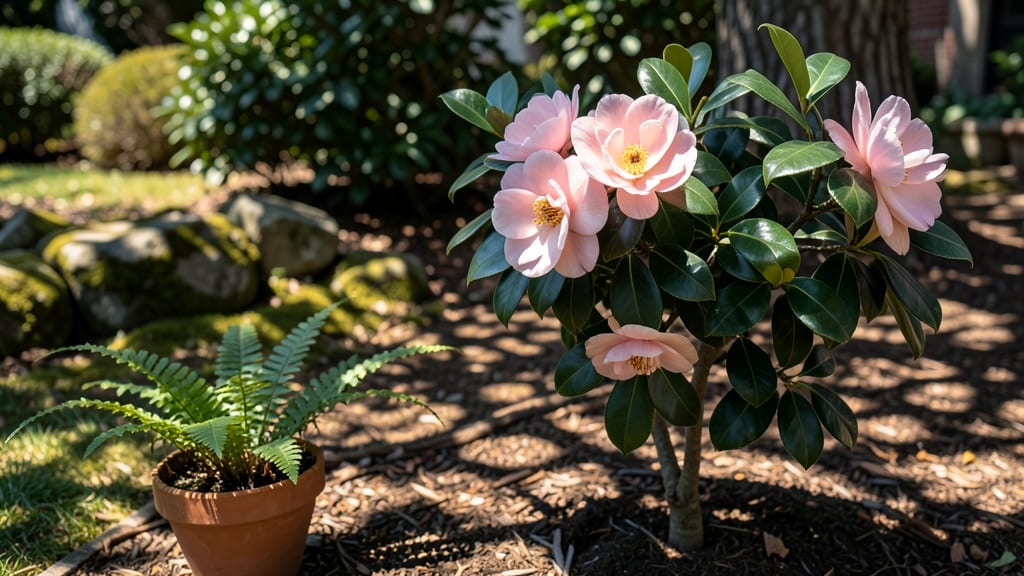
Does a camellia like shade—or does too much leave it struggling for those prized blooms and glossy leaves?
If you’ve ever wondered why your camellia blooms sporadically—or not at all—light exposure might be the culprit. These elegant shrubs love shade but need just the right amount to flourish.
Too much shade can leave your camellia leggy and sparse, while too much sun risks scorched leaves and fewer flowers. The trick? Finding the perfect middle ground—whether that’s dappled sunlight or filtered afternoon shade.
In this guide, I’ll break down the three ideal light zones for camellias, how to spot when shade is too much (or too little), and simple fixes to keep your shrub thriving year-round.
 Best Window Placement
Camellia shade requirements: the 3 light zones for optimal blooms
Camellias love shade but aren’t one-size-fits-all when it comes to light. These stunning shrubs actually thrive in three distinct light zones, each influencing bloom quality, leaf health, and overall vigor.
Too much sun can scorch leaves, while too little shade may result in sparse flowers. Understanding these zones helps you position your camellia for maximum blooms and lush foliage.
Most gardeners assume camellias only tolerate shade, but the truth is more nuanced. While they prefer shade, they also need some direct light to trigger flowering. The key is finding that sweet spot—dappled sunlight that mimics their natural understory habitat.
This balance ensures your camellia stays healthy while producing abundant, vibrant blooms year after year.
Regional climates play a huge role in camellia light needs. In hot, humid zones (like the Southeast U.S.), afternoon shade is critical to prevent leaf burn. Meanwhile, in cooler coastal areas, camellias can handle more morning sun. Let’s break down the three light zones and how they impact your plant’s performance.
| Light Zone | Daily Sunlight | Ideal for Camellia | Bloom Impact | Leaf Health |
|---|---|---|---|---|
| Full Shade | <3 hours direct sun | Dwarf varieties only | Sparse blooms | Healthy but leggy |
| Partial Shade | 3-6 hours filtered sun | Best for most varieties | Abundant blooms | Thick, glossy leaves |
| Dappled Light | Morning sun + afternoon shade | Ideal for tropical climates | Large, vibrant blooms | Dark green, disease-resistant |
Let’s start with the full shade zone, which is often misunderstood. While camellias can survive in <3 hours of direct sun daily, this is only suitable for dwarf varieties like Camellia japonica ‘Elegans’ or Camellia sasanqua ‘Yuletide’.
In full shade, expect sparser blooms and leggy growth as the plant stretches toward any available light. If you’re growing camellias in a deeply shaded garden, consider pruning nearby trees to allow filtered light to reach the foliage.
The partial shade zone (3-6 hours of filtered sunlight) is where most camellias thrive. This mimics their natural habitat under canopy trees in East Asia, where they receive dappled sunlight throughout the day. In this zone, you’ll see thicker foliage, more buds, and longer bloom seasons.
For example, Camellia sinensis (tea camellia) and many hybrid varieties flourish here, producing larger, showier flowers than those in full shade.
For gardeners in hotter climates (USDA zones 7-9), the dappled light zone is often the best choice. This setup provides morning sun (which encourages blooming) followed by afternoon shade (which prevents leaf scorch).
Place your camellia near a tall tree with sparse branches or use a lattice screen to create this effect. In coastal areas, where humidity is high, dappled light also reduces the risk of fungal diseases like petal blight.
If you’re in a colder climate (like zones 6-7), focus on south-facing shade where the plant gets gentle winter sunlight without harsh afternoon rays. In these regions, camellias benefit from morning sun exposure in winter to
Signs your camellia isn’t getting the right shade (and how to fix it)
Your camellia might be silently begging for better light conditions. If its leaves are turning yellow or it’s producing fewer blooms than usual, the problem could be light exposure.
These shrubs love partial shade, but too much or too little can stress them out. Let’s decode the signs and fix them before your camellia throws in the towel.
One of the most obvious clues is sparse or no blooms. Camellias need the right balance of sunlight and shade to trigger flowering. If your plant is sitting in deep shade all day, it may skip blooming entirely.
On the flip side, too much direct sun, especially in hot afternoons, can scorch leaves and prevent buds from forming. The key is finding that sweet spot of filtered light.
Another red flag is leggy growth. When camellias stretch toward the light, their stems grow long and weak, searching for more exposure. This happens when they’re in low-light conditions or under artificial lighting that doesn’t mimic natural sunlight.
If your plant looks like it’s reaching for the sky, it’s time to adjust its location or provide supplemental light.
⚠️ Warning: Too Much Shade = No Blooms!
Camellias in full shade often produce tiny or no flowers because they lack the energy from sunlight to develop buds. If your plant is in a north-facing spot or under dense evergreens, move it to a location with 3-6 hours of filtered light. A south-facing window with sheer curtains can also work indoors.
Check the leaf color for more clues. If leaves are pale green or yellowing, your camellia might be getting too much shade. Conversely, brown or crispy edges signal sunburn from excessive direct sunlight.
The ideal leaf color should be a rich, deep green. If yours looks washed out, it’s time to tweak the light exposure.
Seasonal adjustments are key. In summer, camellias often need more shade to protect them from intense afternoon sun. Use a lightweight shade cloth (30-50% coverage) if your plant is getting too much direct light.
In winter, they can handle a bit more sun, but avoid harsh midday rays. A morning sun spot with afternoon shade is perfect year-round.
To fix these issues, start by observing your camellia’s location. Is it under a tree that’s blocking all light? Try pruning nearby branches to allow dappled sunlight through.
If it’s in a container, move it to a sunnier spot or add a reflective surface (like a white wall) to bounce light onto the plant. For indoor camellias, a grow light can supplement natural light during short winter days.
With the right light adjustments, your camellia will reward you with lush foliage and abundant blooms. Keep an eye on those leaves and stems, and don’t hesitate to experiment with different spots until you find the perfect balance.
Your camellia will thank you with beautiful flowers all season long! 🌸