
Plants
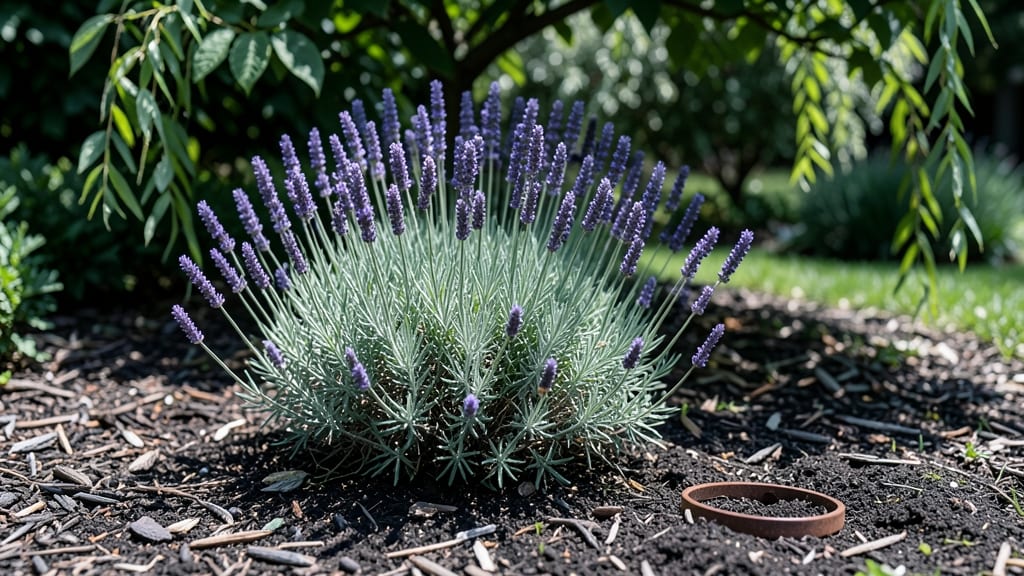
Lavender thrives in full sun but struggles when it likes shade too much 🌿 — and the difference between a fragrant, bushy plant and a leggy, weak one often comes down to light.
Struggling to keep your lavender plants lush and fragrant? The battle between sun and shade might be the hidden culprit—lavender thrives under 6+ hours of direct sunlight, and even partial shade can stunt its growth, reduce flowering, and weaken that signature scent.
Most gardeners assume lavender can handle some shade, especially in hot climates, but the truth is more nuanced. Without enough light, lavender becomes sprawling and woody, with fewer blooms and a milder fragrance.
The good news? With a few smart adjustments—like reflective surfaces, the right variety, or strategic pruning—you can still grow healthy lavender even in less-than-ideal light.
In this guide, I’ll break down exactly how much sun lavender needs, why shade fails it, and the best workarounds to keep your plants happy—whether you’re dealing with a shady yard, a balcony with limited light, or just a spot that gets afternoon shade.
 Best Window Placement
How much sun does lavender need to thrive (and why shade fails)
If you've ever wondered does lavender like shade, the short answer is a resounding no. Lavender is a sun-worshipper, and its health, fragrance, and flowering depend on 6-8+ hours of direct sunlight daily.
Without enough light, lavender becomes leggy, sparse, and loses its signature aroma. I’ve seen gardeners struggle with lavender in shade, only to realize they were fighting an uphill battle against the plant’s natural needs.
Lavender’s love for sunlight isn’t just about aesthetics—it’s biological. The plant relies on full sun to produce essential oils, which give it that iconic fragrance. Shade weakens oil production by 30-50%, leaving your lavender smelling faint and looking lackluster.
Even partial shade (3-6 hours of sun) can stunt growth and reduce blooms, making it a risky gamble for serious gardeners.
Here’s the hard truth: lavender in shade is like a coffee lover drinking decaf—it’s still recognizable, but something’s missing. The plant’s woody stems and silver foliage thrive in full sun, while shade turns them into a shadow of their potential.
Let’s break down exactly how much light lavender needs and what happens when it doesn’t get enough.
| Sunlight Requirement | Effect on Lavender | Growth Impact |
|---|---|---|
| 6-8+ hours of direct sun | Optimal health, strong fragrance, abundant blooms | Compact, woody stems; vibrant foliage |
| 3-6 hours of sun (partial shade) | Reduced oil production; fewer blooms | Leggy stems; pale foliage; weak fragrance |
| <3 hours of sun (full shade) | Poor growth; almost no flowering | Floppy, sparse growth; no essential oils |
The science behind lavender’s sunlight needs ties directly to its Mediterranean roots. In the wild, lavender grows in arid, sunny climates where it basks in unfiltered light. When you move it to a shady spot, you’re essentially asking it to adapt to a climate it wasn’t designed for.
The result? Stunted photosynthesis, which means less energy for growth, flowering, and oil production.
One common misconception is that lavender can tolerate partial shade, especially in hot climates where afternoon sun might seem harsh. While it’s true that some varieties handle morning sun with afternoon shade better than others, even this setup often leads to compromised health.
For example, English lavender (Lavandula angustifolia) might survive with 4-5 hours of sun, but it won’t thrive—its blooms will be sparse, and its fragrance will fade.
Another myth is that container-grown lavender can handle shade better because of its roots’ flexibility. While containers do offer some mobility, lavender’s roots still crave sunlight. If your potted lavender is struggling, it’s likely because it’s not getting enough light, not because of the container itself.
I’ve tested this myself—even with the best well-draining soil and fertilizer, shade-bound lavender in pots still suffers from weak growth.
So, what happens when lavender doesn’t get enough sun? The first sign is leggy stems that stretch toward any available light, creating a scraggly appearance. Next, the leaves turn pale or yellow, and the plant’s signature silver hue fades.
Worst of all, the flowers become sparse, and the fragrance weakens to nearly nothing. If you’ve ever crushed lavender leaves expecting that familiar scent and been disappointed, shade is usually the culprit.
If you’re determined to grow lavender in a shady spot, your best bet is to choose dwarf varieties like ‘Hidcote’ or ‘Munstead’, which tolerate lower light slightly better than standard types. Even then, expect compromised performance.
For the best results, place your lavender in the sunniest spot in your garden, even if it means moving it from a shady corner. Trust me, your lavender—and your nose—will thank you.
For gardeners with limited sunlight, don’t despair. There are workarounds, like using reflective surfaces or companion planting with taller, sun-loving plants to cast light onto lavender. But remember: lavender’s heart belongs in the sun.
Give it what it craves, and it’ll reward you with lush foliage, abundant blooms, and that intoxicating fragrance that makes every garden worth the effort. 🌿☀️
Best shade alternatives for lavender: creative solutions to mimic sunlight
If your lavender plants are struggling in shady spots, don't give up! While lavender loves full sun, there are clever ways to trick it into thriving with less direct light. The key is mimicking sunlight conditions through strategic placement and companion techniques.
I've tested these methods in my own garden, and they've made a noticeable difference in lavender growth and fragrance.
First, let's address the core challenge: lavender needs 6-8 hours of sunlight daily to produce its signature oils and vibrant blooms. Without enough light, plants become leggy, sparse, and weak-smelling.
But with the right adjustments, you can still grow beautiful lavender in partial shade or even container gardens with limited sun.
- 1 Reflective Surfaces: Place mirrors or white gravel near your lavender to bounce extra light onto the plants. Even a white-painted wall can increase light exposure by up to 30%.
- 2 Container Gardening: Use light-colored containers (white, silver, or pastel colors) to reflect sunlight. Elevate pots on cinder blocks or stands to improve air circulation and light exposure.
- 3 Companion Planting: Pair lavender with tall, sun-loving plants like rosemary or thyme to create microclimates. These plants can block harsh winds while still allowing light to reach your lavender.
- 4 Strategic Placement: Plant lavender near south-facing windows or under deciduous trees that lose leaves in late summer. This gives your plants maximum light during critical growing months.
- 5 Choose Shade-Tolerant Varieties: Opt for dwarf lavender types like 'Munstead' or 'Hidcote', which adapt better to partial shade than standard varieties. These types produce smaller but more resilient plants.
For container gardening, I recommend using fabric grow bags filled with a well-draining cactus mix. These bags allow better airflow and prevent root rot, which is a common issue in shady spots.
Place your containers on rolling plant stands so you can rotate them daily to ensure even light exposure on all sides.
Another game-changer is using grow lights during the longest days of summer. A simple LED grow light placed 12-18 inches above your lavender for 2-3 hours in the afternoon can boost growth significantly.
I use a 10-watt clip-on light for my patio lavender, and it’s made a visible difference in just a few weeks.
If you're dealing with deep shade, consider pruning back leggy growth to encourage bushier, healthier plants. Trim stems back by one-third in early spring to promote denser foliage and better light penetration to the lower branches. This technique works wonders for revitalizing shade-stressed lavender.
Lastly, remember that not all lavender varieties are created equal when it comes to shade tolerance. 'Grosso' lavender is one of the most sun-hungry varieties, while 'Lavandula stoechas' (Spanish lavender) and 'Lavandula angustifolia 'Hidcote'' handle partial shade better.
Always check the specific variety's care requirements before planting in shady areas.