
Plants
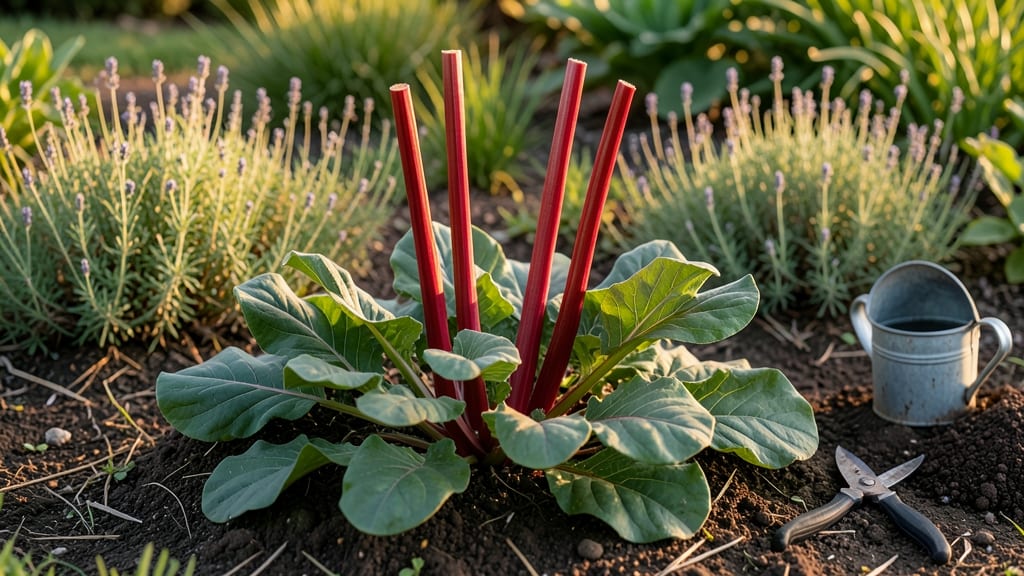
Rhubarb likes partial shade to full sun, needing 4-6 hours of sunlight daily while benefiting from cooler morning light and afternoon shade to protect its leaves from scorching. In hotter regions, afternoon shade helps produce sweeter, more tender stalks.
Rhubarb plants actually perform best when they get a mix of sunlight and shade—think of it like a balance between energy and protection. 🌿 The leaves need some shade to avoid wilting, especially in intense afternoon sun, while the stalks thrive with morning sunlight for photosynthesis.
I’ve seen firsthand how rhubarb in full sun all day can turn bitter or develop leaf burn, but with the right shade strategy, you’ll get those plump, vibrant stalks perfect for pies and compotes.
What’s fascinating is how rhubarb adapts: in cooler climates, it can handle more direct sun, while hotter areas often need afternoon shade to prevent stress.
A simple trick I use is planting taller crops or using shade cloth (30-50% coverage) during peak summer heat—this keeps the leaves happy while still letting enough light reach the stalks for growth.
💡 In This Article
- Rhubarb’s Ideal Light Balance for Healthy Growth
- Adjusting Sunlight for Rhubarb in Different Climates
Rhubarb’s ideal light balance for healthy growth
Rhubarb’s light requirements come down to a delicate balance between photosynthesis and heat protection. The plant’s broad leaves are highly efficient at converting sunlight into energy through photosynthesis, but they’re also prone to scorching when exposed to intense afternoon sun (especially when temperatures exceed 85°F).
The stalks, however, need consistent light to develop their signature vibrant color and sweetness. This dual need explains why 4-6 hours of morning sunlight—when temperatures are cooler—is ideal, followed by partial afternoon shade.
The science behind this involves the plant’s chlorophyll production. Morning light triggers optimal chlorophyll activity, while afternoon shade prevents the leaves from overheating, which would otherwise cause them to wilt or turn yellow.
In my own garden, I’ve noticed that rhubarb plants in full sun all day produce stalks that are tougher and less flavorful, while those with afternoon shade yield tender, sweeter stalks perfect for baking.
The leaves also stay healthier, reducing the risk of fungal diseases that thrive in stressed foliage.
Temperature plays a critical role in this balance. Rhubarb is a cool-season crop, meaning it prefers temperatures between 50-75°F for optimal growth. When afternoon shade is provided in hot climates, the plant’s energy goes toward stalk development rather than heat protection.
Without shade, the leaves can burn within hours of direct midday sun, especially in regions with high UV index readings above 8. This is why gardeners in the Southwest often use 30-50% shade cloth during peak summer months.
What most people don’t realize is how rhubarb’s growth habit changes with light exposure. In partial shade, the plant puts more energy into producing longer, more tender stalks, while full sun can lead to shorter, woody stalks with bitter flavors.
The key is mimicking the natural dappled light found in rhubarb’s native habitat—woodland edges where it receives filtered sunlight. This is why planting rhubarb near taller perennials or using lattice structures for shade can create the perfect microclimate for both leaves and stalks.
For visual learners, imagine rhubarb as a plant with a two-tiered light system: the leaves act like solar panels that need protection from overheating, while the stalks function like storage batteries that require consistent energy.
When you strike this balance, you’ll see healthier leaves and sweeter stalks—the perfect combination for a productive harvest. The result is a plant that looks lush and performs like a champion in the garden.
One advanced tip I’ve picked up from organic farmers is to rotate rhubarb plants every few years to prevent soil depletion.
This also allows you to adjust their light exposure based on the garden layout, ensuring they always get the ideal balance of sun and shade for their current growth stage. 🌟