
Flowers
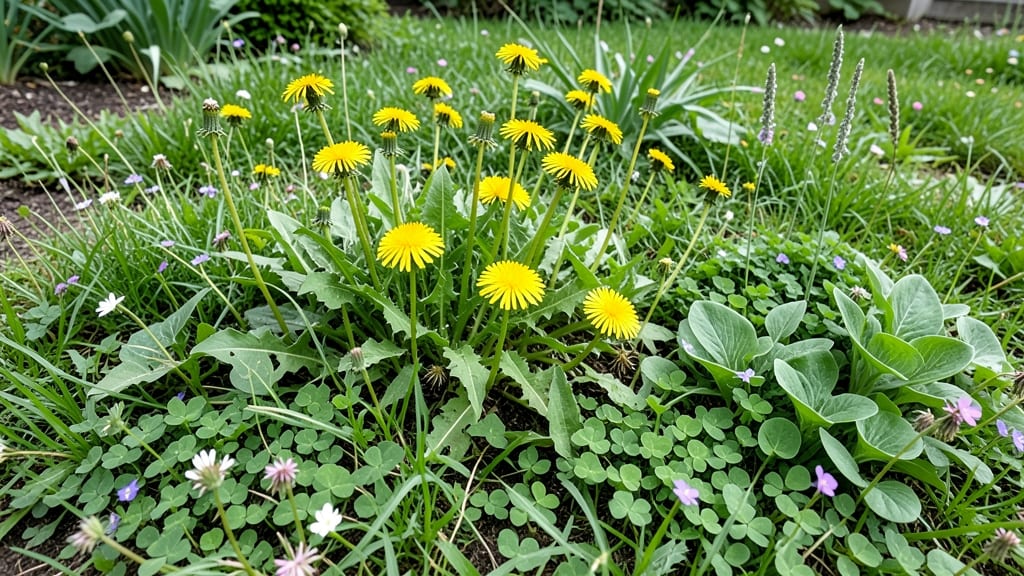
A flower bed full of weeds doesn't mean a lost cause—it means a chance to start fresh in just 30 minutes. 🌱 I've turned overgrown patches into vibrant gardens by tackling weeds head-on, and the secret isn't brute force but smart strategy.
The right tools and techniques make this surprisingly satisfying work, not a chore.
Weeds thrive when flower beds are neglected, but they also reveal what your soil needs. Most overgrowth happens from poor mulching, inconsistent watering, or planting the wrong flowers for your climate.
The good news? Removing weeds actually aerates the soil and prepares it for new plants—it's like giving your garden a reset button.
You'll walk away with a weed-free bed ready for your favorite flowers in under an hour. The key is layering: pull what you can, smother the rest with cardboard or landscape fabric, then plant perennials that crowd out weeds naturally. By summer, you'll have blooms instead of battles.
Works for any size bed, from small borders to large garden plots. The same principles apply whether you're restoring a neglected corner or refreshing an existing flower garden. Let's get those weeds gone for good!
The Hidden Triggers Behind Unruly Gardens
When your once-vibrant flower bed transforms into a tangled jungle of weeds, it’s rarely just bad luck—it’s usually a mix of environmental, human, and botanical factors working against your plants.
Understanding these root causes (literally!) is the first step to reclaiming your garden. Let’s break down the science behind why weeds take over and how they outsmart your flowers.
Weeds thrive because they’re biological opportunists. Unlike many flowers, which may have slower growth cycles or specific soil needs, weeds like dandelions and crabgrass are fast-growing, shallow-rooted, and adaptable. Here’s how soil dynamics play a role:
- Nutrient depletion: Flowers often deplete nitrogen, phosphorus, and potassium as they grow. Weeds, however, have evolved to thrive in nutrient-poor soils. They spread quickly by producing seeds or runners (like creeping Charlie) before your flowers can recover.
- Compacted or dry soil: Heavy foot traffic, rain, or poor drainage can compact soil, making it harder for flower roots to penetrate. Weeds, with their fibrous root systems, exploit these gaps, crowding out slower-growing blooms.
- Lack of organic matter: Soil rich in compost or mulch supports beneficial microbes that help flowers access nutrients. Without it, weeds dominate because they don’t rely on the same soil partnerships.
💡 Pro Tip: Test your soil’s pH and nutrient levels (a simple home kit works!). Aim for a balance of 6.0–7.0 pH and add 2–3 inches of compost annually to starve out weeds by giving your flowers a competitive edge.
Weeds are masters of sunlight exploitation. Many, like pigweed or clover, grow aggressively in full sun, while others, such as moss or lamium, thrive in shady spots where flowers struggle. Here’s how light exposure backfires:
- Overpruning or thinning: If you’ve trimmed back perennials or removed spent blooms too aggressively, you’ve created open spaces that weeds rush to fill. A 50% canopy cover of flowers is ideal to block weed seeds from germinating.
- Newly installed beds: Bare soil in a fresh flower bed is like a green light for weeds. Their seeds lie dormant in the soil until sunlight hits, triggering germination within 7–10 days.
- Seasonal shifts: In spring, weeds like henbit germinate early, outcompeting slow-starting flowers. In late summer, goosegrass takes advantage of heat and dryness.
🌡️ Actionable Fix: Use mulch (2–4 inches of shredded bark or straw) to block sunlight and smother weed seeds. For shady areas, opt for hostas or heucheras, which tolerate low light better than weeds.
Watering habits can inadvertently turn your garden into a weed paradise. Weeds often outcompete flowers because they’re more efficient at using water. Here’s how moisture levels tip the scales:
| Issue | Why It Helps Weeds | Solution |
|---|---|---|
| Overwatering | Weeds like nutgrass or bindweed thrive in soggy soil, while many flowers (e.g., lavender) rot. Excess water also leaches nutrients, making soil ideal for weed seeds. | Water deeply 2–3 times per week (early morning) and improve drainage with sand or gravel. |
| Underwatering | Drought-stressed flowers weaken, while weeds like purslane store water in their leaves and survive dry spells. | Group plants with similar water needs and use drip irrigation to deliver consistent moisture. |
| Inconsistent watering | Fluctuating moisture triggers weed seeds to germinate in batches, creating a “flush” of weeds every few weeks. | Stick to a schedule (e.g., 1 inch of water per week) and mulch to retain moisture. |
✨ Bonus: Install a soaker hose under mulch to deliver water directly to flower roots, leaving weeds high and dry.
Ironically, some gardening products designed to help flowers can accidentally fuel weed growth. Here’s how:
- Over-fertilizing: High-nitrogen fertilizers (like lawn food) boost leafy weeds like chickweed while stunting blooms. Weeds also absorb nutrients faster than many flowers.
- Selective herbicides: Products targeting broadleaf weeds (e.g., 2,4-D) may miss grassy weeds like crabgrass, leaving your bed vulnerable to a different type of takeover.
- Salt buildup: Overusing synthetic fertilizers or tap water high in salts can sterilize soil, making it harder for flowers to establish roots while weeds adapt.
🎯 Smart Swap: Use slow-release organic fertilizers (like fish emulsion) and pre-emergent herbicides in early spring to block weed seeds before they sprout. For spot treatment, vinegar + dish soap (3:1 ratio) kills weeds without harming established flowers.
Weeds often win because they’ve co-evolved with beneficial insects, microbes, and even fungi that flowers can’t compete with. Here’s the breakdown:
- Lack of beneficial insects: Bees and butterflies pollinate flowers but may ignore weeds like milkweed (which they actually prefer!). Without enough pollinators, flowers set fewer seeds and grow weaker.
- Fungal dominance: Some weeds, like bindweed, host mycorrhizal fungi that help them spread underground, while many flowers lack these partnerships.
- Pest resistance: Weeds often have natural defenses (e.g., poison ivy’s toxins) that deter herbivores, while flowers become easy targets for slugs or deer.
🔥 Eco-Friendly Fix: Plant companion flowers like marigolds (repel nematodes) or nasturtiums (deter pests) to create a balanced ecosystem. Add mycorrhizal fungi granules to soil to give your flowers a competitive underground network.
Quick Fixes For Overrun Garden Spots
If your once-vibrant flower bed has turned into a weed jungle, don’t panic—there’s a way to reclaim it fast! The key is tackling the root causes with targeted solutions.
Below, we break down the most common reasons your garden went rogue and how to reverse the damage in 30 minutes or less. Plus, we’ll share pro tips to keep weeds at bay for good.
Sun-loving weeds like crabgrass and dandelions thrive when your flower bed gets too much direct sunlight. If your plants are struggling, they’re likely outcompeted by hardier invaders.
How to Fix It: ✅ 🌿 Mulch Like a Pro
Spread 2–3 inches of organic mulch (wood chips, straw, or shredded leaves) over the soil.
This blocks sunlight, smothers weeds, and retains moisture. - Pro tip: Use dark brown or black mulch—it absorbs heat, helping weak flowers outcompete weeds.
✅ 🌱 Add Shade-Tolerant Plants
- Swap sun-loving annuals for hostas, ferns, or impatiens, which tolerate lower light and crowd out weeds naturally.
✅ ⏰ Quick Weed Pull (5-Minute Hack)
- Wait for a rainy day—soil will be soft, making weeds easier to yank. Grab a weed puller or garden fork to dig out deep roots.
Too much water creates the perfect breeding ground for moisture-loving weeds like clover and chickweed. If your soil stays soggy, roots suffocate, and weeds take over.
How to Fix It:
✅ 🚰 Adjust Your Watering Routine
- Water deeply but less frequently (1–2 times per week) to encourage strong flower roots that outcompete weeds.
- Pro tip: Use a soaker hose—it delivers water directly to plant roots, not the weeds.
✅ 🔥 Solarize the Soil (Fastest Method)
- Cover the bed with clear plastic sheeting for 4–6 weeks in hot sun. The trapped heat kills weeds and seeds without chemicals.
- Warning: Only do this in dry, sunny climates—wet soil won’t heat up enough.
✅ 🌱 Improve Drainage
- Amend soil with compost or perlite to help water drain faster. Well-draining soil = fewer weed-friendly puddles.
If your flower bed has thin, shallow-rooted plants, they can’t compete with aggressive weeds. Fast-growing weeds like bindweed or thistle will dominate if your flowers are struggling.
How to Fix It:
✅ 🌿 Plant Weed-Resistant Flowers
- Swap out weak annuals for perennials like daylilies, coneflowers, or black-eyed Susans—they spread and suppress weeds naturally.
- Bonus: Add ground covers (like creeping thyme or ajuga) to fill gaps and block weeds.
✅ 🔪 The "Weed Barrier" Trick (No Dig!)
- Lay landscape fabric under mulch (but not touching plants) to block weed seeds from sprouting.
- Pro tip: Poke small holes in the fabric for new plants—this keeps weeds out while letting flowers grow.
✅ 🌱 Feed Your Flowers (Not the Weeds!)
- Use a slow-release fertilizer (like 10-10-10) to strengthen existing plants. Healthy flowers = fewer weed opportunities.
Even the hardiest flower beds need regular upkeep. If you’ve been skipping weeding, mowing, or edging, weeds will take over in weeks.
How to Fix It:
✅ 🔪 The 10-Minute Weed Attack
- Grab a hand weeder or hori-hori knife and pull weeds before they seed (most weeds spread via tiny seeds).
- Pro tip: Wear gloves—some weeds (like stinging nettle) pack a punch!
✅ 🌿 Edge Your Beds (Prevents Spread)
- Use a half-moon edger to create clean borders. This stops weeds from creeping into your flower bed from the lawn.
✅ ⏰ Set a Weekly Weed Check
- Spend just 5–10 minutes weekly removing small weeds. It’s easier than a full-scale cleanup later!
Once you’ve cleared the weeds, lock them out for good with these easy habits:
🔹 🌱 Plant Dense Beds – Use thickly spaced perennials so weeds can’t sneak in. 🔹 💧 Water Early in the Day – Wet leaves dry faster, reducing fungal weeds like moss. 🔹 🍂 Clean Up Debris – Remove fallen leaves and spent blooms—they trap weed seeds! 🔹 🌿 Try Vinegar Spray – Mix 1 gallon vinegar + 1 oz dish soap and spray directly on weeds (avoid desired plants). 🔹 🐛 Encourage Beneficial Bugs – Ladybugs and nematodes eat weed seeds—plant marigolds to attract them!
With these fast fixes and smart habits, your flower bed will go from weed-infested to blooming beautiful in no time. Start small, stay consistent, and soon you’ll wonder why you ever let those weeds win! 🌸✨
Frequently asked questions
Why do weeds grow so fast in my flower bed?
Weeds thrive because they're opportunistic plants with shallow roots and rapid growth cycles. They germinate quickly when soil is exposed to sunlight, often outpacing slower-growing flowers. Most weeds produce thousands of seeds that stay dormant until conditions are perfect—like bare soil, ample sunlight, and consistent moisture.
What's the best time of year to tackle weeds in a flower bed?
Early spring and late fall are ideal because weeds are actively growing but your flowers haven't fully established yet. In spring, target weeds before they seed (late May-June). In fall, remove them after your flowers have finished blooming but before frost. This gives you a 4-6 week window each season for maximum impact.
Can I use vinegar to kill weeds without harming my flowers?
Only with extreme caution! A 20% vinegar solution (1 part vinegar to 4 parts water) can kill weeds but may also damage nearby plants. For spot treatment, use it on weeds growing far from flowers. Better alternatives include targeted hand-pulling or applying vinegar only to weeds in late afternoon when flowers are less vulnerable.
How do I prevent weeds from coming back after I've cleared them?
Layer your defense with 2-3 inches of mulch (wood chips or straw), plant densely with perennials, and maintain consistent watering. Remove weeds before they seed, and consider adding landscape fabric under mulch for high-traffic areas. A weekly 10-minute check keeps new weeds from establishing.
What's the most effective tool for removing deep-rooted weeds?
A garden fork or weed popper works best for deep roots like dandelions. For stubborn weeds, try the fork method: Insert the fork near the weed, wiggle it, then pull up. For large areas, a manual weed puller with a long handle makes the job easier on your back. Always pull when soil is moist for best results.