
Flowers
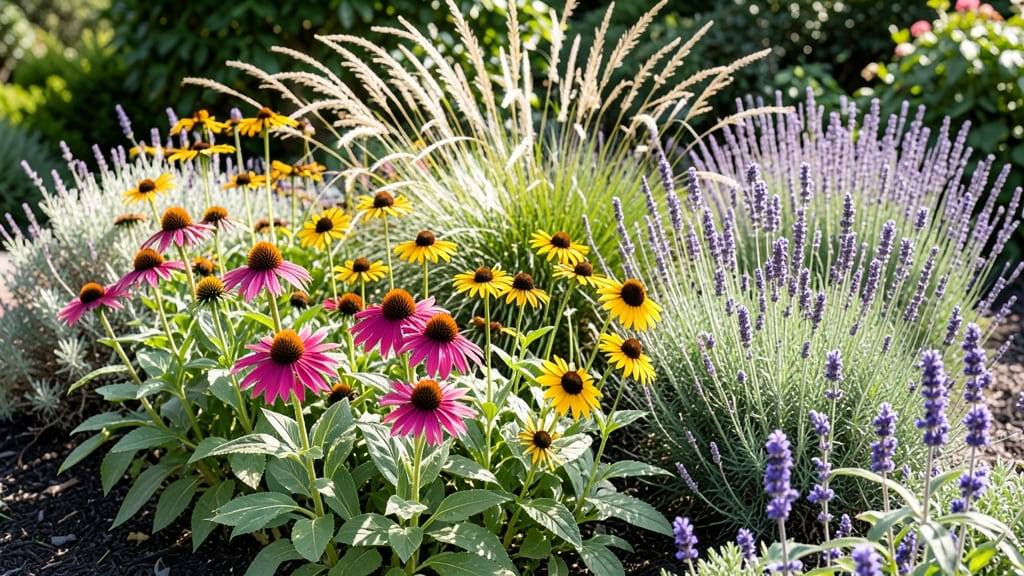
My first cottage garden had one fatal flaw: the herbs were hidden so well, I forgot they were there. ✨ Here’s your flower bed inspiration—the secret to whimsical flower beds isn’t just pretty blooms, but weaving in useful plants that look like part of the design, not an afterthought.
That’s how you get a garden that’s both beautiful and productive, with every petal and leaf serving a purpose.
Start with a mixed border that blends classic cottage favorites like roses and peonies with edible surprises. Nasturtiums trail alongside marigolds, their peppery leaves tucked between petals, while thyme and oregano carpet the base like living mulch.
The key is layering heights—tall delphiniums in back, mid-height lavender, and low-growing chives mixed in with violas. This creates depth while keeping everything accessible.
By summer, you’ll have a garden that smells like a sunny meadow—but with the bonus of fresh herbs for cooking. The herbs won’t just survive; they’ll thrive because they’re planted where they naturally belong, not shoved in a corner.
Plus, pollinators will adore the mix, turning your flower bed into a buzzing, blooming ecosystem.
Works for any size space—whether you’re refreshing a 6-foot border or filling a window box. The same principles apply: pretty flowers first, then the hidden helpers woven in naturally. Here’s how to make it happen without losing that dreamy cottage charm.
📚 In This Guide
- What you need
- Instructions
- Tips and common mistakes
- Wrapping up and next steps
What you need
- ● Soil: 10–15 bags (2–3 cubic feet each) of high-quality garden soil or a mix of topsoil + compost (60% soil, 40% compost).
- ● Mulch: 5–10 cubic feet of organic mulch (e.g., shredded bark, straw, or wood chips) to retain moisture.
- ● Plants: Perennials (for structure): 5–7 plants (e.g., lavender, roses, or catmint).
- ● Annuals (for color): 10–15 plants (e.g., pansies, marigolds, or nasturtiums).
- ● Edible herbs (hidden gems!): 3–5 plants (e.g., thyme, chives, or mint in containers to contain spread).
- ● Fertilizer: 1–2 bags of slow-release organic fertilizer (e.g., 10-10-10 or compost tea).
- ● Garden trowel or hand shovel (for planting).
- ● Garden fork (to loosen soil).
- ● Pruners or shears (for trimming herbs/flowers).
- ● Measuring tape or string + stakes (to mark bed layout).
- ● Watering can or hose with a gentle spray nozzle.
- ○ Optional: Wheelbarrow (for hauling soil/mulch), knee pads (for comfort), and a spray bottle (for misting seedlings).
- ● Sunlight: 6+ hours of direct sun daily (partial shade works for herbs like parsley or cilantro).
- ● Space: A 4’x4’ to 6’x6’ area (adjust based on your design!).
- ● Drainage: Ensure the bed isn’t soggy (elevate if needed).
- ● Pro Tip: Sketch your layout first! 💡 Use a mix of tall, medium, and trailing plants for a lush cottage vibe.
How to design a whimsical cottage garden with edible herb surprises
Turn your flower bed into a secret garden where beauty meets utility—here’s how to blend romance with practicality.
🌿 Step 1: Choose a Theme and Sketch Your Layout
Start by selecting a cottage garden theme—think vintage charm with mismatched containers, climbing roses, and winding paths. I like to sketch my design on graph paper, using 1 square = 1 square foot for scale. Mark where you’ll place perennial flowers (like lavender or peonies) as anchors, then weave in annuals (such as sweet alyssum or nasturtiums) for color bursts.
Hidden edible herbs work best tucked into the middle or back of borders, where they won’t steal the show but still get enough light. For example, thyme or chives can mimic ground cover, while rosemary or sage add vertical interest if planted near trellises. Sketch these in pencil first—you can always adjust later.
☀️ Step 2: Prioritize Sunlight and Soil Conditions
Cottage gardens thrive in full sun to partial shade, but herbs have specific needs. Group sun-lovers like rosemary, thyme, and lavender together in the brightest spots, while shade-tolerant herbs (such as mint or parsley) belong near trees or under taller flowers. Use a sunlight map of your yard—mark areas with 6+ hours of sun in yellow, 3-6 hours in orange, and less than 3 hours in green.
Amend the soil with 2-3 inches of compost before planting to improve drainage and fertility. Cottage gardens often have uneven terrain, so add a 1-inch layer of sand or perlite to heavy clay areas where herbs dislike soggy roots. Test soil pH—most herbs prefer 6.0-7.0, while some (like thyme) tolerate slightly acidic soil.
🪴 Step 3: Plant in Layers for Depth and Surprise
Begin with tall plants (3-6 feet), like delphiniums or hollyhocks, at the back of the bed. Next, add mid-height plants (1-3 feet), such as peonies or catmint, followed by low-growing fillers (6-12 inches), like sweet alyssum or creeping thyme. Herbs like chives or mint can double as edible ground covers in front.
Leave 12-18 inches of space between perennials to prevent overcrowding, but tuck annuals and herbs closer together for a lush, cottage-style look. I like to plant herbs in clusters of 3-5 rather than single stems—this creates a natural, abundant feel while making them easier to harvest later.
✂️ Step 4: Add Whimsical Touches and Maintenance Tips
Incorporate vintage elements like terracotta pots, old wooden trellises, or stone steps to enhance the cottage aesthetic. Let some flowers go to seed—dried seed heads add texture and attract pollinators. For herbs, prune regularly to encourage bushiness: trim back by ⅓ after flowering for perennials like rosemary, and harvest leaves frequently to promote growth in annuals like basil.
Mulch with 2-3 inches of straw or shredded bark to suppress weeds and retain moisture. Water deeply 1-2 times per week, focusing on the base of plants to avoid fungal issues. In late fall, cut back dead foliage but leave herb stems intact—they often regrow from the base in spring.
🌱 Step 5: Plan for Seasonal Changes and Edible Surprises
Cottage gardens evolve with the seasons, so rotate plants yearly for fresh color. Replace spent annuals in spring with new herbs like dill or cilantro for a dynamic look. In winter, add evergreen herbs (like winter savory) or ornamental grasses for structure. Label plants with chalkboard tags or painted stones for a charming, functional touch.
Harvest herbs in the morning when oils are most potent, and use them in unexpected ways—think thyme in honey butter or nasturtium petals in salads. The magic of this garden lies in its dual purpose: a picturesque retreat and a kitchen garden rolled into one.
Tips & tricks for whimsical cottage garden layouts
Transforming your flower bed into a functional yet charming cottage garden takes a few key insights—here’s how to elevate your design without sacrificing beauty or practicality.
Layering with Purpose: The secret to that "wow" factor lies in strategic layering beyond just height. In Step 3, when arranging your 3-6 foot tall plants at the back, consider adding a second tier of edible surprises—like trailing oregano or creeping thyme—along the edges of pathways. This creates a lush, fragrant border that invites visitors to linger while subtly enhancing your harvest. The 6-12 inch fillers should include a mix of flowers and herbs like chives or parsley, planted in odd-numbered clusters (3, 5, or 7) for organic visual flow. This technique mimics natural groupings and makes harvesting easier while maintaining that cottage garden charm.
Sunlight Mapping Hacks: Step 2’s sunlight map is your foundation, but here’s what nobody tells you: Use a small mirror or reflective surface to test sun exposure throughout the day—especially in areas with partial shade. I’ve caught myself misjudging spots where morning sun gives way to afternoon shade, leading to struggling herbs. For your sun-loving rosemary and thyme, aim for the 6+ hour zones—but be prepared to supplement with grow lights during winter if you’re in a cooler climate. The 3-6 hour zones work beautifully for parsley and cilantro, while mint thrives in those 3-hour spots—just contain it in pots to prevent takeover.
Herb Placement Psychology: In Step 1, when sketching your layout, place your most aromatic herbs—like rosemary and thyme—near seating areas or pathways. The scent will naturally draw people in while creating a sensory experience. For herbs you use less frequently (like dill or cilantro), tuck them toward the back where they won’t compete with your star flowers. Pro tip: Plant lavender near thyme—they share similar care requirements and create a stunning purple-green contrast. This not only saves you time with maintenance but also creates a cohesive look that feels intentional rather than accidental.
Seasonal Rotation Strategy: The magic of cottage gardens lies in their evolution, and Step 5 gives you the perfect framework. Create a seasonal plant rotation chart using index cards—label one side with the plant name and the other with its ideal planting window. For example, swap out winter savory in late spring for basil or cilantro, then reintroduce winter savory in fall. This keeps your garden dynamic while ensuring you always have fresh herbs for cooking. I’ve found that planting evergreen herbs like rosemary in winter adds structure when other plants are dormant, creating visual interest even in colder months.
Pro Tips for Flower Bed Inspiration
- Transforming your flower bed into a functional yet charming cottage garden takes a few key insights—here’s how to ele...
- Layering with Purpose: The secret to that "wow" factor lies in strategic layering beyond just height. In Step 3, when...
- Sunlight Mapping Hacks: Step 2’s sunlight map is your foundation, but here’s what nobody tells you: Use a small mirro...
Frequently asked questions
What’s the best time of year to plant a cottage garden with edible herbs?
For most climates, spring (after the last frost) or early fall (6-8 weeks before the first frost) are ideal. Herbs like thyme, oregano, and lavender thrive in cooler weather, while basil and cilantro prefer spring planting. If you’re in a mild zone, you can even plant year-round with proper mulching!
How do I keep my flower bed looking neat without sacrificing the “wild” cottage garden vibe?
Let nature do some of the work! Deadhead spent blooms (like roses or peonies) to encourage more flowers, but leave seed heads (e.g., poppies, cosmos) for texture and wildlife. Mulch generously with straw or wood chips to suppress weeds while keeping the look soft and organic. A light trim with shears or a scythe every few weeks keeps things tidy without losing charm.
Can I mix edible herbs with ornamental flowers, or will they compete?
Herbs like mint, chives, and lavender pair beautifully with flowers—they’re low-maintenance and even repel pests (like mint deterring ants). Just plant them strategically: group herbs together to contain their spread (mint is notorious!) and place them near flowers with similar water needs (e.g., rosemary with lavender). Avoid heavy feeders like basil near delicate blooms.
What do I do if my flower bed attracts too many bugs or pests?
Cottage gardens are meant to be alive with pollinators, but too many pests? Try these tricks: Plant companion herbs like basil (repels mosquitoes) or marigolds (deter nematodes). Introduce beneficial insects (ladybugs for aphids) or use neem oil for organic pest control. Avoid chemical sprays—they harm bees and butterflies, the stars of your garden!
How can I add a “hidden” element to my flower bed without making it look cluttered?
Think vertical and subtle! Tuck herbs like thyme or creeping rosemary into cracks in stone borders or along pathways. Use small terracotta pots (painted to match your palette) to hide herbs like chives or parsley near taller flowers. For a magical touch, add tiny fairy lights or solar-powered stakes—they glow prettily at dusk without overpowering the natural look.
Wrapping up and next steps
Transforming your outdoor space into a whimsical cottage garden with edible herbs isn’t just about beauty—it’s about creating a functional, magical retreat that delights the senses. 🌸 From layered flower beds to hidden herb pockets, the key is blending charm with practicality, ensuring every plant has room to thrive while adding a touch of enchantment.
Whether you’re a seasoned gardener or just starting, your garden is a blank canvas waiting for your creativity!
Ready to bring your vision to life? Start small—pick one layout idea that excites you, gather your supplies, and dive in! Before you know it, you’ll be savoring fresh herbs straight from your own fairy-tale garden. Happy planting! 🌿✨