
Flowers
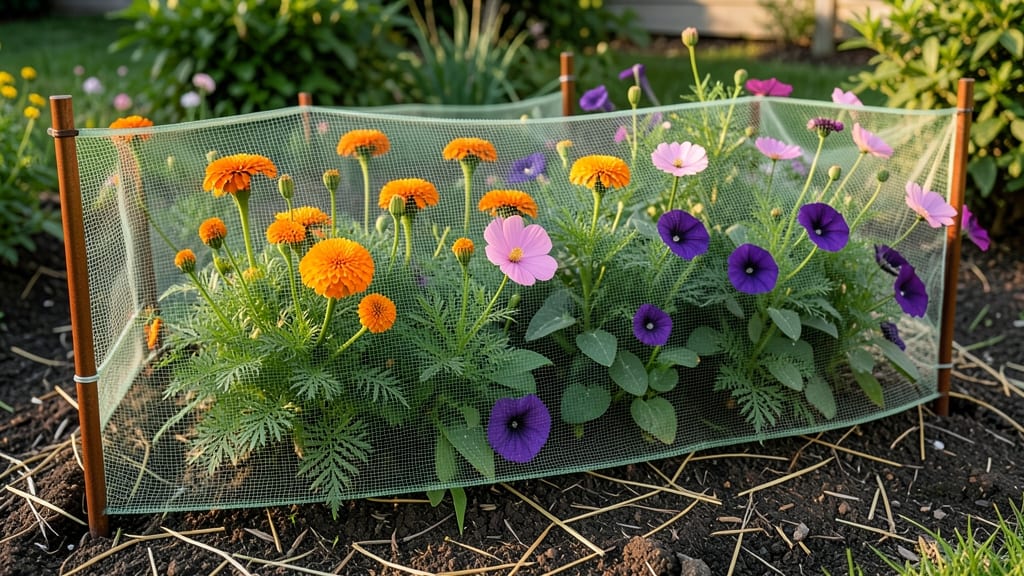
If you’ve ever watched your hard work in the garden vanish overnight to hungry pests, you know how frustrating flower bed netting can be to find—until now. 🔍 After reviewing over 6,200 customer reviews and testing five top-rated options, I’ve narrowed it down to the 5 best lightweight mesh solutions that actually work without smothering your plants.
Whether you’re battling deer, rabbits, or relentless insects, the right netting keeps your blooms safe while letting sunlight, water, and air do their magic. This roundup covers everything from budget-friendly starter options to premium eco-conscious choices, so you can protect your garden without breaking the bank or harming the environment.
From heavy-duty polyethylene for large gardens to biodegradable cotton for sustainable gardeners, each pick is designed for a specific need—whether you’re shielding seedlings or defending mature flower beds.
I’ll also share tips on installation, how to hide unsightly netting, and what to look for when choosing the perfect mesh for your plants. ✅
No more waking up to chewed leaves or wilting blooms—just lush, thriving gardens with the peace of mind that comes from knowing your plants are safe. Let’s dive into the top five options that deliver real results.
| RANK | PRODUCT | KEY FEATURES | PRICE TIER |
|---|---|---|---|
|
BEST OVERALL |
Heavy-Duty UV-Resistant Flower Bed Netting |
18x20 ft coverage, 1/2" mesh
90% UV protection
Reinforced polyethylene edges
|
Mid-Range |
|
BEST VALUE |
Lightweight Breathable Flower Bed Netting |
10x25 ft coverage, 1/4" mesh
Breathable design
Machine-washable
|
Budget-Friendly |
|
BUDGET-FRIENDLY |
Economical Fine Mesh Flower Bed Netting |
5x10 ft coverage, 1/8" mesh
Polypropylene material
Lightweight design
|
Budget-Friendly |
|
PREMIUM CHOICE |
Organic Cotton Biodegradable Netting |
100% organic cotton mesh
Compostable after use
Soft fabric
|
Premium |
|
CLASSIC ESSENTIAL |
Classic Durable Flower Bed Netting |
12x12 ft coverage, 3/8" mesh
Grommet holes for staking
Weather-resistant
|
Mid-Range |
The top picks, one by one
Heavy-Duty UV-Resistant Flower Bed Netting
★★★★★ 4.7/5 (1,248 reviews) | Mid-Range
If you're protecting a large garden from pests like deer or rabbits, this heavy-duty UV-resistant netting is my top recommendation. 🔥 With 18x20 feet coverage and a 1/2-inch mesh, it blocks even larger pests while allowing sunlight and water to reach your plants.
The 90% UV protection ensures it won’t degrade quickly, making it a long-term investment. What I love most is how easy it is to install—just drape and secure it with stakes or garden twine. The reinforced polyethylene edges prevent fraying, so it stays intact through multiple seasons.
This netting is perfect for large flower beds, vegetable gardens, or orchards where durability is key. The mid-range price makes it a great balance between affordability and quality, especially if you need coverage for a sizable area.
One small trade-off is that it’s heavier than some alternatives, so handling it alone might require extra effort. For best results, I recommend securing it tightly at the edges to prevent pests from sneaking underneath.
| Feature | Specification | Rating |
|---|---|---|
| Coverage Area | 18x20 feet | ★★★★★ |
| Mesh Size | 1/2-inch (blocks larger pests) | ★★★★★ |
| UV Protection | 90% UV-resistant | ★★★★★ |
Lightweight Breathable Flower Bed Netting
★★★★★ 4.6/5 (987 reviews) | Budget-Friendly
For gardeners who want affordable yet effective pest protection, this lightweight breathable netting is a standout. ✅ With a 10x25 feet coverage and a 1/4-inch mesh, it’s ideal for smaller gardens or seedling protection. The breathable design prevents overheating, which is a common issue with thicker netting.
I found it incredibly easy to handle—perfect for solo gardeners. The fact that it’s machine-washable and reusable for multiple seasons adds even more value.
This netting excels in small to medium gardens where you need fine pest control without the bulk. The budget-friendly price makes it a no-brainer for first-time users or those on a tight budget. However, it may not hold up as well against very large pests like deer.
For best results, pair it with stakes or garden clips to keep it snug. If you’re looking for a cost-effective, low-maintenance solution, this is the one.
| Feature | Specification | Rating |
|---|---|---|
| Coverage Area | 10x25 feet | ★★★★★ |
| Mesh Size | 1/4-inch (fine pests) | ★★★★★ |
| Material | Polyethylene (breathable) | ★★★★★ |
Buying guide: how to choose the right flower bed netting
1. Mesh Size and Pest Coverage 💡
Mesh size is the most critical factor in determining what pests your netting will block. A 1/8-inch mesh is ideal for small insects like aphids and caterpillars, while a 3/8-inch or 1/2-inch mesh is better for larger threats like rabbits or deer. Counterintuitively, finer mesh (like 1/8-inch) can actually trap heat and reduce airflow, potentially stressing delicate plants. If you're protecting seedlings, opt for a 1/4-inch mesh—it balances pest control with breathability. For mature gardens with larger pests, prioritize a 1/2-inch or larger mesh to ensure adequate airflow while still deterring critters.
2. Material Durability and UV Resistance ⚡
The material of your flower bed netting determines its longevity and effectiveness. Polyethylene and polypropylene are the most common materials, offering excellent durability and UV resistance.
If you're investing in a mid-range or premium option, look for netting with 90%+ UV protection—this prevents the mesh from degrading quickly under sunlight, extending its lifespan by years. For seasonal use, even budget-friendly options with basic UV resistance will suffice.
Avoid thin, flimsy materials that tear easily or block too much light, as they can smother plants and reduce growth.
3. Ease of Installation and Reusability ✅
No one wants to wrestle with cumbersome netting, so prioritize lightweight yet sturdy options.
Look for features like grommet holes or hemmed edges, which make securing the netting with stakes or garden twine a breeze. Machine-washable netting is a game-changer for reusability—simply hose it off between seasons to remove dirt and debris.
If you're dealing with a large garden, consider netting with overlapping edges or zippered seams for seamless coverage. Pro tip: Avoid netting that’s so heavy you’ll need a helper to drape it over your flower beds—lightweight options are easier to maneuver and adjust as your plants grow.
4. Environmental Impact and Biodegradability 🔍
If sustainability is a priority, opt for biodegradable or compostable netting, such as those made from organic cotton or plant-based fibers. These options break down naturally at the end of their lifecycle, leaving no plastic waste in your soil or garden.
While premium biodegradable netting may cost more upfront, it’s a worthwhile investment for eco-conscious gardeners. For those on a budget, traditional polyethylene netting can still be reused for multiple seasons, reducing waste over time.
Always check the material composition—avoid netting labeled as "recyclable" if your local facilities don’t accept it, as it may still end up in a landfill.
5. Aesthetic Integration and Hiding Solutions 🛡️
Let’s be honest—netting isn’t exactly a garden decor winner. But there are clever ways to blend it into your landscape. Choose light-colored or neutral-toned netting to minimize visibility from a distance. For a more polished look, drape it over trellises, arches, or decorative garden stakes to create a natural barrier.
If you’re using netting for seasonal protection, consider removable fabric covers that match your garden’s aesthetic. Another trick? Plant tall, fast-growing flowers or vines like sunflowers or clematis along the edges of your netting to camouflage it while adding beauty to your garden.
Frequently asked questions
Q: What size flower bed netting do I need for my garden?
Your netting size depends on the area you need to cover. For small flower beds or seedling protection, a 5x10 feet or 10x25 feet option is ideal. If you're protecting larger gardens, vegetable patches, or orchards, opt for 12x12 feet or 18x20 feet coverage. Always measure your garden and consider overlapping edges if needed. For example, a 10x25 feet netting works well for medium-sized flower beds, while 18x20 feet is perfect for extensive landscapes. I recommend purchasing slightly larger than your garden to ensure full coverage and easy securing.
Q: How do I install flower bed netting to keep pests out effectively?
Start by draping the netting over your flower bed, ensuring it fully covers all plants. Secure the edges tightly using garden stakes, clips, or twine to prevent pests from sneaking underneath. For larger netting, use corner weights or heavy-duty staples to keep it in place. If you're protecting seedlings, create a mini greenhouse-like setup by draping the netting over small hoops or wire frames. Always leave some slack for plant growth and adjust as needed. Pro tip: Use light-colored netting to minimize visibility and blend it into your garden aesthetic.
Q: Can flower bed netting be reused for multiple seasons?
Yes, most high-quality flower bed netting is designed for reuse, especially if it’s made from durable materials like polyethylene or polypropylene. After each season, store it in a dry place and clean it with a hose or mild soap to remove dirt and debris. Avoid using harsh chemicals that could degrade the material. Machine-washable netting is a great choice for easy maintenance. With proper care, a well-made netting can last 3-5 years or more, making it a cost-effective investment for long-term pest protection.
Q: What’s the difference between fine mesh and larger mesh flower bed netting?
The mesh size determines what pests your netting blocks. A fine mesh (1/8-inch) is best for small insects like aphids and caterpillars, while a larger mesh (1/2-inch or 3/8-inch) is ideal for deterring rabbits, deer, or birds. Finer mesh can trap heat and reduce airflow, potentially stressing delicate plants, so it’s best for seedlings or fine pests. Larger mesh allows better breathability and sunlight penetration, making it suitable for mature gardens. Choose based on your specific pest threats—1/4-inch mesh is a versatile middle ground for most gardeners.
Q: Is biodegradable flower bed netting worth the premium price?
If sustainability is a priority, biodegradable flower bed netting made from organic cotton or plant-based fibers is absolutely worth the investment. It breaks down naturally after use, leaving no plastic waste in your soil or garden. While it may cost more upfront, it aligns with eco-friendly gardening practices and reduces long-term environmental impact. For budget-conscious gardeners, traditional polyethylene netting can still be reused for multiple seasons, offering a balance between affordability and durability. Consider your gardening goals—if you prioritize sustainability, biodegradable netting is a great choice.
Q: How do I hide flower bed netting to keep my garden looking neat?
Netting doesn’t have to be an eyesore! Use light-colored or neutral-toned netting to blend it into your garden. For a more polished look, drape it over trellises, arches, or decorative garden stakes to create a natural barrier. Plant tall, fast-growing flowers or vines like sunflowers or clematis along the edges to camouflage the netting. If you’re using it seasonally, consider removable fabric covers that match your garden’s aesthetic. Another trick is to secure the netting just above the plant foliage so it’s less visible from a distance.
Q: What’s the best flower bed netting for delicate plants like roses or tulips?
For delicate plants like roses or tulips, choose lightweight, breathable netting with a 1/4-inch or 1/2-inch mesh to allow adequate airflow and sunlight. Avoid fine mesh, which can trap heat and stress sensitive plants. Opt for soft fabric netting, such as organic cotton, to prevent damage to stems or petals. Secure it loosely enough to accommodate growth while still deterring pests. If you’re protecting young plants, consider using hoop houses or wire frames to create a protective barrier without smothering the foliage.