
Pruning
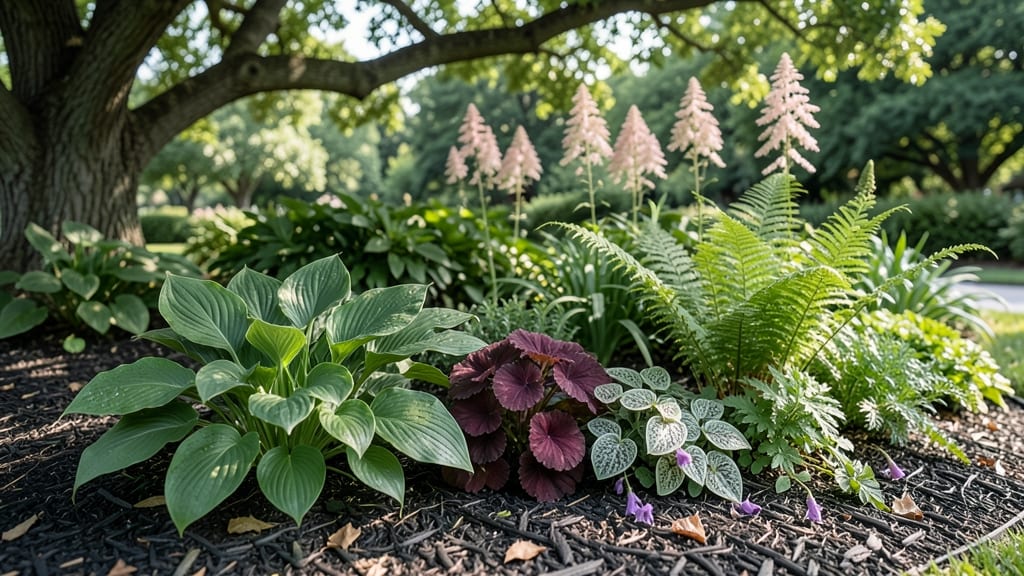
A flower bed under tree isn’t just possible—it’s where shade-loving plants shine. 🌿 I transformed a bare patch under my oak into a lush, low-maintenance garden that blooms year-round, proving that dappled light isn’t a limitation, but an opportunity for unique beauty.
The key? Choosing plants that thrive where others fade, like hostas with their velvety leaves or bleeding hearts that spill delicate pink flowers in spring.
Start with the soil—amend it with compost to improve drainage and aeration, since tree roots compete for nutrients. Then layer in 3-4 inches of mulch to suppress weeds and retain moisture, but keep it 6 inches away from the tree trunk to avoid harming bark.
The layout should mimic the tree’s natural light patterns: place taller plants on the outer edges where light filters through, and shorter ground covers like creeping phlox or ajuga in the deeper shade.
By summer, you’ll have a bed that feels like a secret garden—cool, fragrant, and alive with texture. The dappled light creates a dynamic play of shadow and sun that highlights each plant’s best features, from the deep purple of heucheras to the golden foliage of Japanese forest grass.
Maintenance is minimal: water deeply once a week (less in winter) and trim back any overgrowth in early spring.
This design works for any tree—maple, pine, or even a young fruit tree—because it’s all about working with the shade, not against it. The result? A space that’s as functional as it is beautiful, where every season brings something new to discover.
Ready to turn that dark corner into your garden’s hidden gem?
📚 In This Guide
- What you need
- Instructions
- Tips and common mistakes
- Wrapping up and next steps
What you need
- ● Soil amendments: 2–3 bags of compost (1–2 cubic yards, depending on bed size)
- ● 1–2 bags of peat moss or coconut coir (for moisture retention)
- ● 1 bag of perlite or coarse sand (for drainage)
- ● Mulch: 3–4 bags of wood chips or shredded bark (2–3 inches deep)
- ○ Optional: Pine needles or leaf mold for acid-loving plants
- ● Shade-tolerant plants: 5–10 hostas (varied sizes for texture)
- ● 3–5 heucheras (for color contrast)
- ● 2–3 ferns (e.g., maidenhair or ostrich fern)
- ● 1–2 bleeding hearts (for delicate blooms)
- ● 1–2 foamflowers or lungworts (ground covers)
- ● Hand tools: Garden trowel or spade
- ● Pruners (for trimming plants)
- ● Garden fork (for aerating soil)
- ○ Optional (but helpful): Wheelbarrow (for moving soil/amendments)
- ● Kneeling pad (for comfort)
- ● Watering can or hose with a gentle spray nozzle
- ● Edging tool (to define bed borders)
- ● Prerequisites: Clear the area of weeds/debris (use a weeding tool if needed)
- ● Test soil pH (aim for 5.5–6.5 for most shade plants)
- ● Check tree roots—avoid disturbing large roots!
Step-by-Step guide to creating a stunning flower bed under tree
Here's how to transform that tricky shaded spot into a vibrant, low-maintenance garden.
🪴 Step 1: Assess the Light and Soil Conditions
Start by observing your tree's canopy during different times of day. Note where the dappled sunlight (filtered light through leaves) reaches and where deep shade lingers. Most trees create shifting light patterns—morning sun on one side, afternoon shade on the other. I like to mark these zones with colored stakes to visualize the layout.
Dig a soil sample from the area to check drainage. Press a handful of moist soil—if it stays clumped in your fist, your soil is too dense. Amend heavy clay with 2-3 inches of compost or organic matter to improve aeration. If your soil drains too fast (like sand), mix in 1 inch of peat moss to help retain moisture.
🌱 Step 2: Choose the Right Plants for Your Light Conditions
For partial shade (3-6 hours of dappled light daily), select plants like hostas, astilbes, or ferns. These thrive where others struggle. I always include at least one height variation—tall astilbes in the back, medium hostas in the middle, and low-growing ajuga as edging. This creates visual interest without competing for light.
In deeper shade (less than 3 hours of light), focus on shade-tolerant perennials like lungwort, Japanese painted ferns, or bleeding heart. These plants have evolved to handle low light by growing slowly and storing energy efficiently. Avoid sun-loving annuals—they'll wilt within weeks.
💧 Step 3: Prepare the Planting Area
Clear the area of weeds and debris, then outline your flower bed with a garden hose to visualize the shape. For a natural look, I often follow the tree's drip line (where branches naturally shed water) to create a curved bed. Mark planting spots with small sticks to maintain spacing—most perennials need 12-18 inches between plants for mature growth.
Loosen the soil to a depth of 12 inches with a garden fork, breaking up compacted layers. This helps roots penetrate easily. If your tree has aggressive roots (like willows or maples), install root barriers before planting to protect your flowers. Water the prepared bed thoroughly before planting to settle the soil.
☀️ Step 4: Plant with Layered Depth and Mulch
Dig holes twice as wide as the root ball but only as deep. Place each plant in its hole, then fill with soil, pressing gently to eliminate air pockets. Water immediately after planting to help soil settle around roots. I always add a slow-release fertilizer at this stage—just follow the package instructions for shade-tolerant plants.
Spread 3 inches of mulch over the soil surface, keeping it 2 inches away from plant stems to prevent rot. Use shredded bark or pine needles—they break down slowly and improve soil as they decompose. Mulch helps retain moisture, suppress weeds, and regulate soil temperature, which is especially helpful under trees where roots compete for water.
✂️ Step 5: Maintain Through the Seasons
Water newly planted flowers once a week for the first month, then taper to every 10-14 days once established—unless you experience extreme heat or drought. You'll know they need water when the top inch of soil feels dry. Avoid overhead watering, which can promote fungal diseases in shaded areas.
Fertilize lightly in early spring with a balanced, slow-release fertilizer (10-10-10 ratio). Too much nitrogen encourages leafy growth but weakens flowers. Deadhead spent blooms regularly to encourage continuous flowering. In fall, add a 1-inch layer of compost to replenish nutrients lost during the growing season.
Tips & tricks for perfect flower beds under trees
Here's what nobody tells you about thriving under tree canopies—these tricks make all the difference.
Light Mapping Secret: I've learned the hard way that dappled light changes throughout the day. Mark your zones with colored stakes in the morning and check again in the afternoon—what seems like partial shade at 10 AM might be deep shade by 3 PM. This helps you place sun-loving plants where they'll actually get light.
Soil Test Trick: The soil test in Step 1 isn't just about drainage—it's about understanding your tree's ecosystem. If your soil stays clumped, mix in that 2-3 inches of compost right after testing. The key is to work it into the top 12 inches where roots will grow, not just surface-level. I like to use a garden fork to aerate while I'm at it.
Plant Layering Pro Tip: When creating that height variation in Step 2, think vertically too. Tall plants like astilbes should go in the back, but medium hostas can also have trailing varieties that spill over edges. This creates that lush, layered look without needing more space. I always add a few variegated foliage plants—they add instant visual interest.
Mulch Maintenance: That 3 inches of mulch in Step 4 isn't a one-time application. Check it every 6 months—mulch breaks down and needs replenishing. I use cedar chips because they resist decomposition longer and add a nice fragrance. Just remember to keep it 2 inches away from stems to prevent rot.
Pro Tips for Flower Bed Under Tree
- Here's what nobody tells you about thriving under tree canopies—these tricks make all the difference.
- Light Mapping Secret: I've learned the hard way that dappled light changes throughout the day. Mark your zones with c...
- Soil Test Trick: The soil test in Step 1 isn't just about drainage—it's about understanding your tree's ecosystem. If...
Frequently asked questions
Got questions about creating a stunning flower bed under tree? You’re not alone! Here are answers to the most common queries—whether you’re a beginner or a seasoned gardener looking for troubleshooting tips.
What are the best shade-tolerant flowers for a flower bed under tree?
Opt for hostas, impatiens, ferns, astilbes, and bleeding hearts—they thrive in dappled light. For partial shade, try coleus, heuchera, or Japanese forest grass. Avoid sun-lovers like marigolds or petunias unless your tree provides only light shade.
When is the best time to plant a flower bed under a tree?
Spring (after the last frost) or early fall (6–8 weeks before your first frost) are ideal. Avoid planting in extreme heat or winter, as roots need time to establish. For container plants, you can plant year-round, but timing still matters for soil prep!
How do I prepare the soil under a tree for planting?
Start by removing grass and weeds, then loosen the soil with a garden fork. Mix in compost or organic matter to improve drainage and fertility. If your tree’s roots are shallow, add a mulch layer (2–4 inches) to retain moisture without smothering roots.
Why aren’t my flowers growing well under the tree?
Common culprits: too much shade (check if your tree’s canopy blocks 70%+ light), compacted soil (roots struggle to breathe), or overwatering (tree roots compete for moisture). Try deeper mulching or drought-tolerant varieties if watering is an issue.
Can I use ground cover instead of a traditional flower bed?
Ground covers like creeping phlox, ajuga, or sweet woodruff suppress weeds and add texture. They’re low-maintenance and perfect for tight spaces. Just ensure they match your tree’s light conditions—some (like ivy) need more shade than others.
Wrapping up and next steps
Creating a flower bed under a tree isn’t just about filling empty space—it’s about embracing nature’s artistry while making your garden thrive in shade. With the right plants, soil prep, and a little patience, you’ll transform dappled-light spots into lush, low-maintenance beauty that feels like a secret garden. 🌿
Ready to take the next step? Start small—pick one or two shade-tolerant plants from our list, test your soil, and get digging! Whether you’re a seasoned gardener or a curious beginner, every bloom you plant brings your outdoor space one step closer to perfection. Happy gardening! 🌸