
Flowers
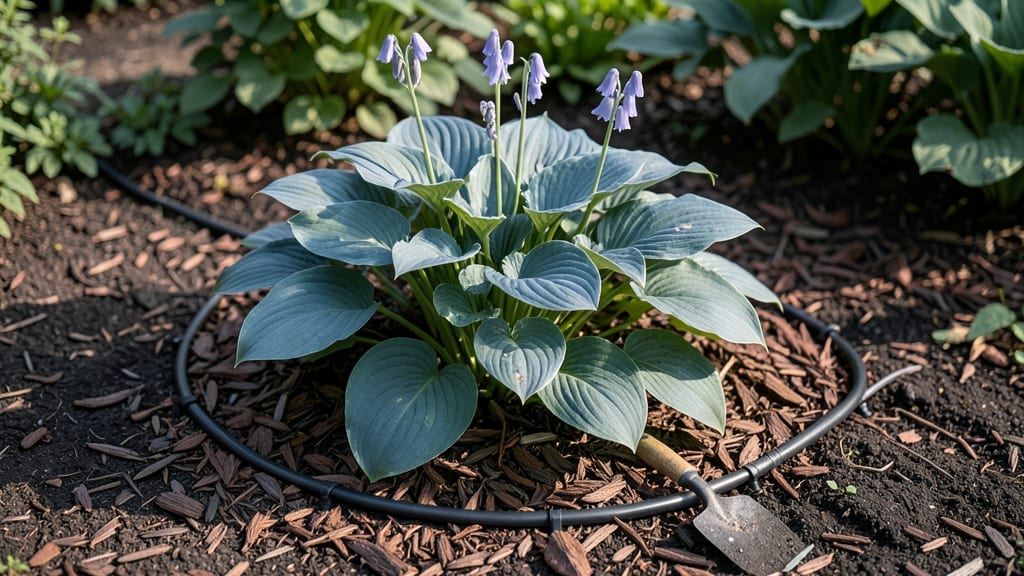
Some flowers that grow well in shade truly thrive where sunstruck plants wilt—hostas with their velvety leaves, impatiens that bloom nonstop, and astilbes that dance in the breeze. 🌿 I've spent years testing varieties that turn dark corners into fragrant, lush retreats.
These picks need minimal fuss but deliver maximum impact, proving shade gardens can be just as vibrant (if not more so) than sunny ones.
The secret lies in matching plants to their natural light needs. Hostas and ferns love deep shade, while impatiens and bleeding hearts tolerate partial shade with morning sun. Most do well in 2-4 hours of dappled light daily, and their roots stay cool in the soil.
The key is rich, moist soil—amend with compost at planting, and mulch to retain moisture. Overwatering is the biggest mistake (I learned that the hard way with my first batch of ferns!).
You'll end up with a garden that smells like a forest after rain—hostas release a sweet scent in the evening, while astilbes have feathery plumes that move with the slightest breeze.
These flowers also attract pollinators like butterflies and bees, turning your shady spot into a mini ecosystem. Plus, they're low-maintenance: prune spent blooms occasionally, and you're good to go.
Works for everything from woodland gardens to container setups on patios. Whether you're filling a woodland garden or brightening up a north-facing balcony, these shade stars deliver color and texture without the sun requirements. Let's bring your dark corners to life!
Light Starvation Explained
If you’ve ever planted sun-loving flowers in a shady spot and watched them wilt into sad, leggy shadows, you’re not alone. The real villain here isn’t just "not enough light"—it’s a complex interplay of biology and environment that leaves many plants struggling to thrive.
Let’s break down why shade can be a double-edged sword for flowers and how you can work with nature instead of against it.
Most flowers rely on photosynthesis to convert sunlight into energy, but shade disrupts this process in two key ways:
- Reduced Chlorophyll Production: Chlorophyll, the green pigment in leaves, absorbs sunlight to power photosynthesis. In low-light conditions, plants can’t produce enough chlorophyll, leading to pale, weak foliage. This makes it harder for the plant to generate the glucose it needs to grow and bloom.
- Limited Energy for Flowering: Flowers are energy-intensive to produce—some studies show they can require up to 50% more energy than leaves. Without sufficient light, the plant redirects its resources to survival (like growing taller to reach light) rather than producing vibrant blooms.
Actionable Fix: Choose shade-tolerant varieties (like impatiens or astilbes) that evolved to thrive with 10–50% sunlight. These plants have adapted to maximize light absorption with broader leaves or deeper root systems.
Shady spots often come with cooler temperatures and higher humidity, which can create a perfect storm for poor growth:
- Slower Metabolism: Cooler air reduces the rate of photosynthesis and nutrient uptake. Plants in shade may grow 20–30% slower than those in full sun, leading to stunted blooms.
- Fungal Risks: Excess moisture from poor airflow (common in dense shade) encourages powdery mildew or root rot. Many shade-loving flowers, like hostas, are prone to these issues if not planted in well-draining soil.
- Weak Stem Development: Without strong light, stems grow long and weak (a condition called etiolation) in a desperate bid to reach sunlight. This makes plants more susceptible to wind damage or snapping.
Actionable Fix:
- ✅ Improve airflow by spacing plants properly (aim for 12–18 inches apart for most shade flowers).
- ✅ Use mulch (like shredded bark) to regulate soil temperature and reduce fungal spores.
- ✅ Opt for cool-climate natives (e.g., Helleborus or Lungwort) that naturally handle moisture and temperature swings.
Shady gardens often have dense ground cover (like ivy or overgrown shrubs) that steals nutrients and water from your flowers. Even if light isn’t the issue, root competition can strangle your plants before they bloom.
- Nutrient Depletion: Shade-tolerant plants often have slower-growing roots, making them more vulnerable to competition. Weeds or aggressive ground covers can outcompete them for nitrogen and phosphorus, essential for flower production.
- Compacted Soil: Shady areas under trees or buildings often have poor drainage and compacted soil from foot traffic or falling leaves. This restricts root growth and oxygen flow, leading to chlorosis (yellowing leaves) even if the plant gets enough light.
Actionable Fix:
- 🔥 Test your soil (a simple $20 home kit works). Amend with compost or organic matter to improve drainage and nutrient availability.
- 🌱 Remove invasive ground covers and replace them with low-competition mulch (e.g., pine straw or cocoa hulls).
- 🎯 Choose deep-rooted plants (like Foxgloves or Bleeding Hearts) that can access nutrients below the surface layer.
Some flowers are hardwired to need sun. For example:
- Sun-Loving Species: Plants like Marigolds, Sunflowers, or Geraniums have high light requirements because they evolved in open, sunny habitats. Plopping them in shade is like asking a desert cactus to thrive in a swamp.
- Partial Shade vs. Full Shade: Even "shade-tolerant" flowers have limits. Impatiens may wilt in deep, dark shade (e.g., under a thick canopy), while Hosta can handle it but may skip flowering without at least 4–6 hours of dappled light.
Actionable Fix:
- 📊 Match plants to light zones:
Light Level Best Flower Choices Dappled Shade (3–6 hrs light) Astilbe, Begonias, Coleus Partial Shade (1–3 hrs light) Hosta, Lungwort, Foamflower Deep Shade (<1 hr light) Hellebore, Ferns, Japanese Painted Fern - ✨ Use reflective surfaces (like light-colored mulch or mirrors) to bounce extra light into shady beds.
Revive Your Shady Garden Now
If your shade-loving flowers are struggling, don’t despair—most issues have simple fixes! Below, we’ll tackle common problems with practical solutions, from soil tweaks to light adjustments, so your garden thrives in those dim corners. 🌿✨
Cause: Compacted or waterlogged soil suffocates roots, leading to yellowing leaves or stunted growth. Solution:
- Test your soil 🔍: Press a handful—if it stays clumped, it’s too dense. Dig a 6-inch hole; if water pools, drainage is poor.
- Amend the soil 🏗️:
- Mix in compost (20% of the soil) to improve aeration and nutrient retention.
- Add perlite or coarse sand (1 part per 3 parts soil) for gritty texture.
- For heavy clay, top-dress with pine bark fines (1–2 inches) to break up compaction.
- Raise beds slightly 🏗️: If your yard floods, create a slight mound (4–6 inches high) to encourage runoff.
Prevention Tip: 💡 Mulch annually with shredded leaves or wood chips to prevent soil from repacking.
Cause: Even shade plants need some light—too little leads to leggy stems or sparse blooms. Solution:
- Assess your shade 📏:
- Deep shade (dappled light only): Opt for hostas, ferns, or astilbes.
- Partial shade (4+ hours sun): Try impatiens, bleeding hearts, or foxgloves.
- Thin nearby trees 🪓: Prune branches to let filtered light reach the ground (aim for 30–50% sunlight).
- Reflect light 🪞: Place a mirror or light-colored wall near the garden to bounce extra brightness.
- Move potted plants 🌱: Rotate containers seasonally to ensure even light exposure.
Prevention Tip: ✨ Plant tallest varieties (like astilbes) toward the back of the shade bed to avoid overshadowing smaller flowers.
Cause: Over- or under-watering stresses shade plants, causing wilting or fungal issues. Solution:
- Water deeply but less often 💦:
- 1–2 inches per week (check with a trowel—soil should be moist 1–2 inches down).
- Morning watering (6–9 AM) reduces evaporation and fungal risks.
- Improve drainage 🚿:
- If pots sit in saucers, drill drainage holes and elevate them on feet.
- For in-ground plants, dig trenches 6 inches deep around the base to redirect excess water.
- Use mulch 🍂: A 3-inch layer of mulch (straw, wood chips) locks in moisture and cools roots.
Prevention Tip: 🌡️ Group plants with similar water needs (e.g., impatiens + ferns) to simplify care.
Cause: Dark, humid shade gardens attract slugs, snails, or fungal diseases like powdery mildew. Solution:
- Natural slug/snail barriers 🐌:
- Copper tape around pots or beds (gives them a mild shock).
- Diatomaceous earth (food-grade) sprinkled lightly in early morning.
- Beer traps (bury a shallow dish filled with beer—slugs drown in it!).
- Fungal fixes 🍄:
- Space plants 12–18 inches apart for airflow.
- Spray neem oil (1 tsp per quart of water) weekly as a preventative.
- Remove infected leaves immediately and compost them away from the garden.
- Encourage predators 🐞: Plant marigolds or basil nearby to attract ladybugs and lacewings.
Prevention Tip: 💡 Water at the base (not overhead) to keep foliage dry and deter mildew.
Cause: Mismatched plants (e.g., sun-lovers in deep shade) lead to weak growth or failure. Solution:
- Match light levels 📐:
- Deep shade (0–3 hrs sun): Hosta, Japanese painted fern, Christmas fern, lungwort.
- Partial shade (3–6 hrs sun): Bleeding heart, astilbe, impatiens, Solomon’s seal.
- Swap struggling plants 🌱:
- If a flower wilts or stops blooming, replace it with a shade-tolerant alternative (e.g., swap petunias for impatiens).
- Test new spots 🧪: Before planting, place a white plate in the spot for a week—if mold grows, the area is too damp for most flowers.
Prevention Tip: ✨ Start with shade-tolerant annuals (like impatiens or begonias) for quick, low-risk color.
With these fixes, your shade garden should bounce back in weeks—just give your plants the right conditions, and they’ll reward you with lush blooms and fragrant surprises! 🌸💚
Frequently asked questions
Can I grow shade flowers in containers?
Many shade-loving flowers thrive in containers, especially impatiens, begonias, and coleus. Use pots with drainage holes and a high-quality potting mix amended with compost. Choose containers at least 12 inches deep for root growth, and place them where they get 3-6 hours of dappled light daily. Terracotta pots help wick away excess moisture, which is crucial for preventing root rot in shaded spots.
How do I know if my shade garden has enough light?
Test your space by placing a white plate where you plan to plant for a week. If mold grows, it's too dark for most flowers. For partial shade (3-6 hours light), try hostas or bleeding hearts. For deep shade (<3 hours), stick to ferns, heleborus, or Japanese painted fern. Move potted plants seasonally to follow the sun's path.
Why are my shade flowers wilting even with regular watering?
Wilting in shade gardens often signals overwatering or poor drainage. Most shade plants prefer soil that's moist but not soggy. Check if water pools after rain or if containers lack drainage holes. Water deeply 2-3 times per week (morning is best) and use mulch to retain moisture. If soil stays compacted, amend with perlite or compost to improve aeration.
What's the best mulch for shade gardens?
Organic mulches like shredded bark, pine straw, or cocoa hulls work best—they break down slowly while regulating soil temperature. Apply a 3-inch layer after planting, keeping it 2 inches away from stems to prevent rot. Avoid fresh wood chips (they steal nitrogen) and never use dyed mulches, which can harm plants. Refresh mulch annually to maintain moisture and suppress weeds.
Can I grow edible flowers in shade?
Yes! Try nasturtiums (edible leaves and flowers), violets, or sweet woodruff—all thrive in shade and add culinary interest. These varieties tolerate 2-4 hours of light and prefer well-draining soil. Avoid planting them where pets might nibble (some can be toxic). Harvest leaves and flowers in the morning for maximum flavor, and use them in salads or as garnishes.