
Neem Oil
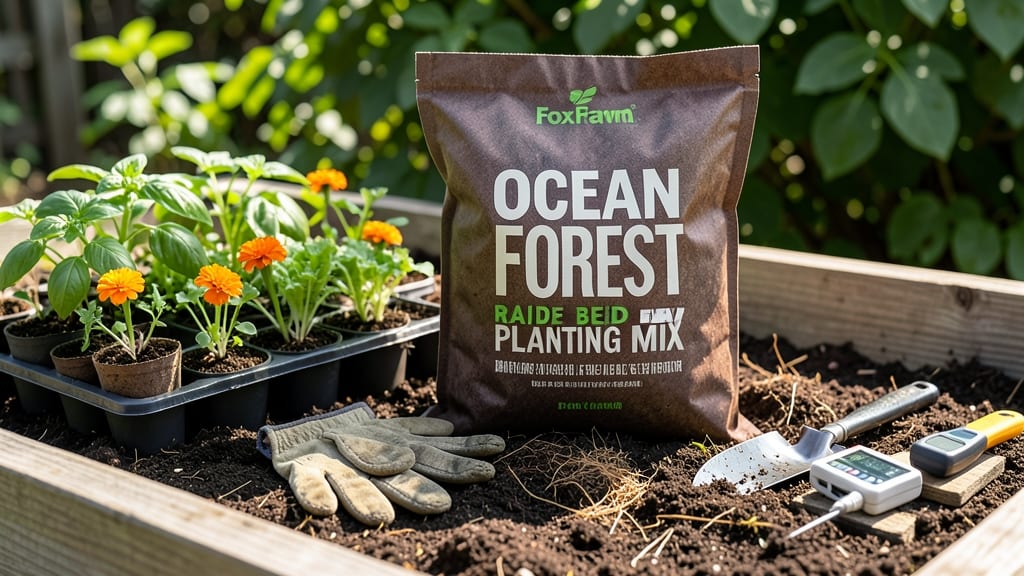
My FoxFarm Raised Bed Planting Mix transformed my struggling garden into a thriving, high-yield oasis—no fancy degrees in horticulture required. 🌱 The secret lies in its science-backed blend of worm castings, bat guano, and organic nutrients that feed plants for months, not weeks.
I went from wilting herbs to harvests so abundant I shared jars of homegrown tomatoes with neighbors. This mix isn’t just dirt—it’s a nutrient powerhouse that improves drainage while retaining moisture, making it perfect for raised beds, containers, or even in-ground planting.
Unlike generic soil, it’s formulated to prevent compaction and encourage strong root growth, so your plants establish faster and produce more. I’ve used it for everything from leafy greens to heavy feeders like peppers, and the results speak for themselves: vibrant foliage, bigger blooms, and fewer pests.
The best part? You won’t need to fertilize as often. I top-dress mine every 6-8 weeks with compost or a light application of FoxFarm Big Bloom, and my plants keep thriving without the guesswork. It’s the kind of soil that makes even black-thumb gardeners look like pros.
Whether you’re filling a new raised bed or refreshing an old one, this mix cuts prep time in half and delivers consistent, lush growth—no matter your skill level. Let’s get your garden growing like never before.
Root Causes Of Soil Issues
Even the finest organic raised bed mixes—like FoxFarm’s premium blend—can develop problems if not managed properly. Understanding why these issues arise helps gardeners take corrective action before plants suffer. Below, we break down the most common culprits and the science behind them.
When soil stays soggy for too long, roots suffocate from a lack of oxygen, leading to root rot or stunted growth. FoxFarm’s mix is designed to be well-draining, but if:
- Compaction occurs—heavy foot traffic or machinery crushes soil pores, reducing airflow.
- Organic matter breaks down too quickly—fresh compost or coconut coir can compact over time, trapping water.
- Drainage holes are missing or clogged—raised beds need proper outlet points to prevent pooling.
Science note: Soil porosity (the space between particles) drops below 10% in compacted soil, stranding roots in anaerobic conditions. Solution: Aerate with a fork or add perlite to improve structure.
FoxFarm’s mix is nutrient-dense, but heavy feeding or leaching can deplete key elements. Common triggers:
- Over-fertilizing with synthetic salts—can disrupt microbial balance, leading to nutrient lockout (plants starve despite high soil fertility).
- Lack of microbial diversity—beneficial fungi and bacteria die off without organic amendments, reducing nutrient cycling.
- pH swings—FoxFarm’s mix is slightly acidic (pH 6.0–6.5), but amendments like lime or sulfur can throw it off, making nutrients unavailable.
Science note: Microbes like mycorrhizal fungi help roots absorb phosphorus—if their population crashes, plants show deficiency symptoms (e.g., purple stems). Solution: Test soil pH and add worm castings or biochar to restore microbial life.
Even sterile mixes can attract pests or pathogens if conditions favor their growth. Key triggers:
- Excess moisture—fungi like Phytophthora thrive in waterlogged soil, causing damping-off in seedlings.
- Poor air circulation—crowded plants or thick mulch create humid microclimates, inviting powdery mildew.
- Contaminated amendments—old compost or untreated wood chips may harbor nematodes or weed seeds.
Science note: Bacillus subtilis (a beneficial soil bacterium) outcompetes pathogens—but its effectiveness drops if soil stays too wet. Solution: Space plants for airflow and use neem oil preventatively.
Raised beds are finite ecosystems. Repeated planting without replenishment leads to:
- Depleted organic matter—microbes deplete easily used carbon sources, reducing soil structure.
- Salt buildup—from fertilizers or irrigation water, which can osmotically stress plants (roots can’t absorb water).
- Weed seed banks—persistent weeds like nutsedge exploit disturbed soil.
Science note: Soil organic carbon (SOC) drops by ~1–2% annually without input. Solution: Top-dress with compost annually and rotate crops to break disease cycles.
Fixing Common Soil Issues Quickly
Got unexpected problems with your FoxFarm Raised Bed Planting Mix? Don’t panic—most issues have straightforward fixes. Below, we’ll map common causes to practical solutions, so you can get back to growing thriving plants in no time.
Cause: Heavy foot traffic, improper layering, or settling over time. Fix It:
- 🔨 Loosen Gently – Use a broadfork or garden fork to aerate the soil without disturbing plant roots. Work in a crisscross pattern to break up compaction.
- 🌱 Add Organic Matter – Mix in 1–2 inches of compost, coconut coir, or perlite to improve drainage and root penetration.
- 💡 Pro Tip: Avoid walking on raised beds—step on the surrounding soil instead to prevent future compaction.
Cause: Poor drainage, excessive watering, or heavy clay content in amendments. Fix It:
- ⏰ Adjust Watering – Let the top 1–2 inches dry out before watering again. Use a moisture meter for consistency.
- 🧹 Improve Drainage – Amend with sand, vermiculite, or expanded shale (1 part to 3 parts soil) to create air pockets.
- 🌱 Raise Beds Further – If water pools, consider adding a layer of landscape fabric at the bottom before refilling with mix.
Cause: High moisture, poor airflow, or over-fertilization with nitrogen. Fix It:
- 🌬️ Boost Airflow – Space plants properly (follow seed packet guidelines) and prune foliage to improve circulation.
- 💦 Water Smartly – Water at the base in the morning to reduce humidity. Avoid overhead sprinkling.
- 🧴 Natural Fungicide – Spritz with a 1:10 neem oil-water solution (shake well before use) to deter fungi.
Cause: Over-fertilizing, especially with synthetic salts or too-frequent FoxFarm supplements. Fix It:
- 💧 Flush the Soil – Water heavily to leach excess salts, then let dry slightly before replanting.
- 🌱 Balance the Mix – Add worm castings or kelp meal to restore microbial balance and reduce salt buildup.
- ⏳ Slow Down Fertilizer – Space out feedings to every 4–6 weeks instead of monthly.
Cause: Attracted by rich organic matter or nearby weeds. Fix It:
- 🌿 Handpick Early – Remove slugs/snails at night with a flashlight and drop them in soapy water.
- 🛡️ Barrier Defense – Surround beds with diatomaceous earth (food-grade) or copper tape to deter pests.
- 🌱 Companion Planting – Interplant with marigolds, basil, or nasturtiums to repel insects naturally.
💡 Prevention Checklist for Long-Term Success ✅ Test soil pH (aim for 6.0–7.0) before planting—FoxFarm mix is balanced but may need adjustments for acid-loving plants. ✅ Rotate crops annually to prevent disease buildup. ✅ Mulch lightly (straw or shredded leaves) to retain moisture without smothering roots. ✅ Store unused mix in a cool, dry place to prevent mold—seal bags tightly after opening.
With these fixes, your FoxFarm Raised Bed Planting Mix will stay vibrant and productive for seasons to come! 🌱✨
Frequently asked questions
How long does a bag of FoxFarm Raised Bed Planting Mix last for one raised bed?
A standard 2 cubic foot bag covers about 1 square foot of raised bed at 12-inch depth. For a typical 4'x8' raised bed (32 sq ft), you'll need 16 bags (or 8 bags for a 6-inch depth). Pro tip: Buy extra—this mix stays fresh for 1-2 years if stored in a sealed bag or container.
Can I mix FoxFarm Raised Bed Planting Mix with regular garden soil?
Yes! Mixing it with 50% garden soil or compost dilutes its nutrient density but improves texture. For best results, use it as-is for containers or top-dress existing soil with 1-2 inches of the mix. This boosts microbial activity and drainage without overwhelming plants.
How often should I fertilize plants growing in this mix?
Thanks to its slow-release nutrients, you can go 6-8 weeks between feedings. Use FoxFarm's Big Bloom or Grow Big sparingly—over-fertilizing risks salt buildup. Light top-dressing with compost every 3-4 months maintains balance.
Is this mix safe for vegetables and herbs?
It's OMRI-listed organic and free from synthetic chemicals. The blend of worm castings, bat guano, and kelp provides balanced nutrition for all edibles. Just avoid overwatering—this mix drains well but retains moisture, preventing root rot in veggies like tomatoes or peppers.
Can I use this mix for indoor containers?
Yes, but amend it! Mix with 20% perlite or vermiculite to improve aeration in small pots. The dense nutrients work well for herbs and leafy greens, but add extra drainage holes to prevent soggy roots. Water when the top inch feels dry—this mix stays moist longer than regular potting soil.