
Plants
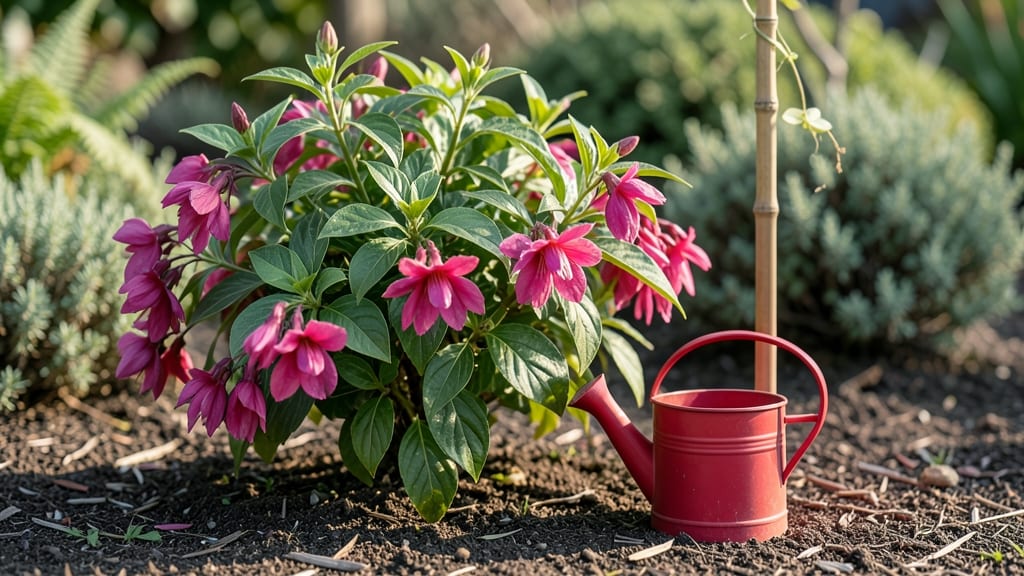
A fuchsia plant thrives in partial shade with just 2–4 hours of morning sun — too much direct light scorches its delicate blooms, while too little leaves it leggy and sparse.
Struggling to keep your fuchsia plants blooming? The battle between sun and shade might be the secret weapon you’ve overlooked — getting the light balance right can transform sparse stems into a lush, flower-filled spectacle.
These tropical beauties 🌸 prefer bright, filtered light, mimicking their native understory habitats. Too much afternoon sun causes crispy edges, while deep shade stretches stems and fades colors. The key is morning brightness paired with afternoon respite.
Below, I’ll show you how to spot light stress, adjust care by season, and place your fuchsias—whether in containers, garden beds, or shady balconies—for longer blooms and healthier growth.
 Best Window Placement
How much sun or shade do fuchsias need for optimal blooms?
Fuchsias thrive when you mimic their natural tropical habitat, where they bask in dappled sunlight and gentle breezes. These stunning plants originate from South America and prefer bright, indirect light—think morning sun with afternoon shade.
Too much direct sun can scorch their delicate leaves, while too little light leads to sparse blooms. The key is finding that perfect balance to keep your fuchsias flowering like crazy all season.
Most fuchsia varieties love 2 to 4 hours of morning sunlight daily, followed by filtered shade or partial shade for the rest of the day. This setup prevents leaf burn while still providing enough energy for vibrant blooms.
If you’re growing fuchsias in containers or hanging baskets, they’ll appreciate a spot that gets bright indirect light all day, like a shaded patio or under a sheer curtain.
Here’s the golden rule: Morning sun is your friend, but afternoon sun is the enemy. The cooler, softer light of morning helps fuchsias photosynthesize without overheating.
In hot climates, even 2 hours of direct sun can be too much, so prioritize afternoon shade structures like lattices, umbrellas, or nearby trees with open canopies.
If you’re unsure about your garden’s light conditions, observe the area for a few days. Look for dappled sunlight patterns under trees or on east-facing walls. These spots often provide the ideal light balance for fuchsias.
Avoid south- or west-facing locations unless you can provide artificial shade during peak sun hours (11 AM to 3 PM).
🌸
For container-grown fuchsias, rotate your pots every few days to ensure even light exposure on all sides. This prevents lopsided growth and encourages balanced blooming.
If you notice one side of your plant stretching toward the light, it’s a clear sign it needs to be repositioned for more balanced conditions. In indoor settings, place fuchsias near east-facing windows or under grow lights for 6-8 hours daily to compensate for low natural light.
Seasonal adjustments are crucial, too. In summer’s intense heat, fuchsias may need extra afternoon shade, while winter’s weaker sunlight might require moving them to a sunnier spot to prevent leggy growth.
Pay attention to how your plants respond—healthy foliage and abundant blooms are your best indicators of success.
Pro tip: If your fuchsias are struggling to bloom, they might need more light. Gradually increase their exposure over 1-2 weeks to avoid shocking the plant. Conversely, if leaves are yellowing or crisping, they’re getting too much sun—move them to a shadier location immediately.
The right light balance is all about observation and adaptation.
🌿
Remember, fuchsias are not one-size-fits-all plants. Some varieties, like Fuchsia ‘Giantess’ or Fuchsia ‘Lady Bo-Peep’, tolerate more light than others, while trailing types often prefer gentler conditions. Always check the specific needs of your fuchsia variety—this extra step can make a world of difference in
Signs your fuchsia is getting too much sun or too little light
If your fuchsia plants are struggling to bloom or showing leaf stress, improper light exposure is often the culprit.
These delicate beauties thrive in bright, indirect light but can quickly suffer when pushed beyond their comfort zone. Too much sun leads to crispy edges, while too little light causes leggy stems and sparse flowers. Understanding these light stress signs is key to reviving your plants.
First, watch for leaf scorch—crispy, brown edges on leaves are a classic sign of excessive sun exposure. This happens when afternoon sun intensifies, especially in hot climates. On the flip side, pale or yellowing leaves with long, weak stems signal insufficient light.
Both extremes disrupt your fuchsia's ability to photosynthesize efficiently, leading to poor growth and fewer blooms.
🌱 Light Stress Warning Signs
Your fuchsia is in light distress if you spot:
- ✂️ Brown leaf edges (sunburn from too much sun)
- 🟡 Yellow leaves (etiolation from too little light)
- 🌿 Leggy stems (stretching toward weak light sources)
- 🌸 Fewer blooms (light stress reduces flowering)
To fix sunburned leaves, move your fuchsia to a spot with morning sun and afternoon shade. A sheer curtain or lattice can diffuse harsh rays while still providing enough light. For plants suffering from light deprivation, gradually increase exposure over 1-2 weeks to avoid shocking the leaves.
Rotate your containers weekly to ensure even growth, as fuchsias lean toward the light source.
Seasonal adjustments are crucial. In summer months, fuchsias need more shade protection, especially in USDA Zone 7 and warmer. Use a 50% shade cloth if direct sun exceeds 2 hours daily.
Conversely, in winter or overcast climates, supplement with a grow light for 4-6 hours daily to maintain health. Even indoor fuchsias benefit from a south-facing window with filtered light.
Don’t overlook the role of reflective surfaces. Light-colored walls or mirrors near your plants can amplify natural light, helping them thrive in shadier spots. If you’re growing fuchsias in containers, choose terracotta pots—they breathe better and reduce root stress from fluctuating light conditions.
Always check soil moisture when adjusting light, as stressed plants need consistent hydration.
Reviving a light-stressed fuchsia often requires a combination of light adjustment and pruning. Trim back leggy stems to encourage bushier growth, and fertilize lightly with a balanced 10-10-10 mix to support recovery.
With the right light balance, your fuchsias will rebound quickly, producing vibrant blooms in just a few weeks. 🌷