
Tools
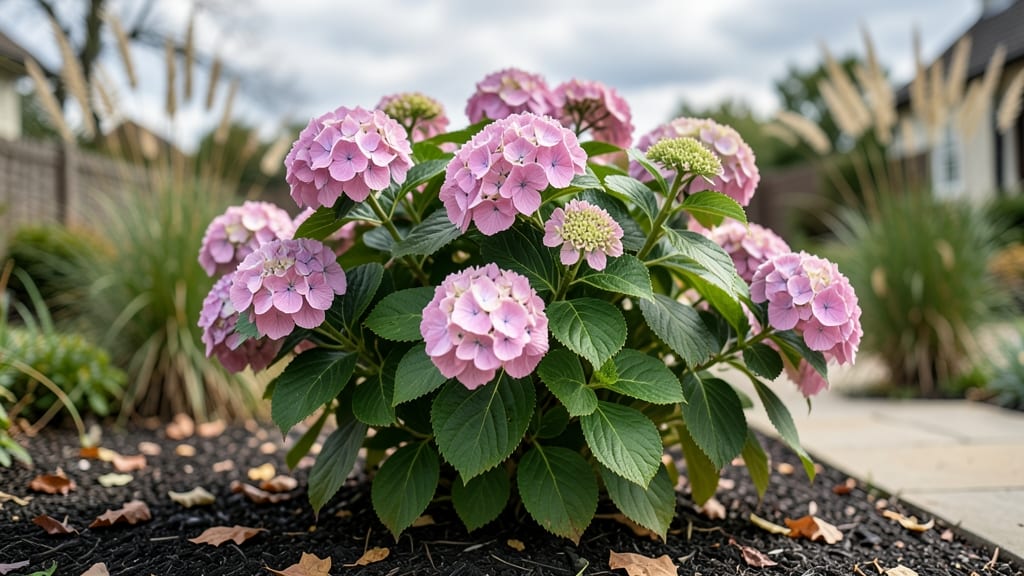
Creating a stunning garden bed along your foundation with Endless Summer hydrangeas transforms a plain wall into a lush, blooming privacy screen that never quits. 🌿 These hydrangeas thrive in partial shade, making them perfect for foundation plantings where full sun might scorch other shrubs.
The key is spacing them 4-5 feet apart to allow room for their eventual 3-4 foot spread while keeping roots from competing with your house.
Pair them with low-growing perennials like hostas or ferns for texture, and add mulch to protect roots from heat radiated by the foundation. The hydrangeas' large blooms will steal the show from spring through fall, while their glossy leaves add year-round interest.
Just watch for soggy soil—hydrangeas hate "wet feet," so amend the bed with compost to improve drainage.
By summer, you'll have a vibrant curtain of blooms in shades of blue, pink, or purple, depending on soil pH. The flowers even last into frost, giving you season-long color without the fuss of annuals.
This bed will become the envy of the neighborhood—low-maintenance, high-impact, and designed to last for years.
Works equally well for modern or traditional homes, and the same principles apply whether you're planting along a 10-foot stretch or the entire length of your foundation. Just remember: patience is key—these beauties take a year or two to reach their full glory, but the wait is worth it.
📚 In This Guide
- What you need
- Instructions
- Tips and common mistakes
- Wrapping up and next steps
What you need
- ● Endless Summer Hydrangea Plants: 3–5 mature plants (spaced 4–6 feet apart for full coverage)
- ● Container-grown (4–6 inches in diameter) or bare-root (if planting in early spring)
- ● Soil Amendments: 5–10 gallons of peat moss or coconut coir (for moisture retention)
- ● 10–15 lbs of compost or well-rotted manure (for nutrients)
- ○ Optional: Hydrangea-specific fertilizer (follow package instructions)
- ● Mulch: 3–4 inches of pine bark or shredded leaves (to retain moisture and suppress weeds)
- ● Tools: Garden shovel or spade
- ● Garden trowel (for amending soil)
- ● Wheelbarrow (for mixing soil amendments)
- ● Measuring tape (to ensure proper spacing)
- ● Garden hose or watering can (with a fine rose attachment)
- ● Pruning shears (for shaping and maintenance)
- ○ Optional (but helpful!): Landscape fabric (to prevent weed growth)
- ● Garden stakes or trellis (for support if needed)
- ● Slow-release fertilizer tablets (for extra nutrients)
Step-by-Step instructions for planting a foundation garden bed with endless summer Hydrangea
Here's how to create a stunning, low-maintenance privacy screen that thrives all season long.
🪴 Step 1: Prepare the Foundation Garden Bed
Start by marking your planting area 12-18 inches away from the foundation wall to allow proper airflow and prevent moisture buildup against the house. Use a garden hose to outline the bed shape—hydrangeas need 5-6 feet of space between plants for mature growth. Remove any existing grass or weeds, then dig out the soil to a depth of 12 inches.
This isn't just about digging deeper—it's about creating a loose, aerated root zone. Break up any compacted soil with a garden fork, then mix in 2-3 inches of compost (or the organic matter you've gathered) to improve drainage and fertility. The goal is soil that crumbles easily between your fingers when moist, not clumps that hold together.
☀️ Step 2: Choose the Perfect Planting Location
Endless Summer hydrangeas thrive in partial shade to morning sun—they'll tolerate 4-6 hours of direct sunlight but avoid hot afternoon rays that can scorch leaves. Test your spot by observing how sunlight moves across the area throughout the day. The ideal location gets dappled shade from nearby trees or a north-facing wall.
If your foundation only offers full sun, plant in a spot where the afternoon sun is blocked by the house itself. You'll notice the leaves stay vibrant and the blooms last longer when they're not stressed by intense midday heat. This variety is particularly forgiving about light conditions, but it always performs best with some afternoon shade.
🌱 Step 3: Plant Your Hydrangeas at the Right Depth
Dig planting holes twice as wide as the root ball but no deeper—hydrangeas hate having their crowns buried too deeply. Gently remove each plant from its container and loosen any circling roots with your fingers. Place the hydrangea in the hole so the top of the root ball sits 1 inch above ground level.
Fill the hole with soil, pressing lightly around the edges to eliminate air pockets. Water deeply until moisture reaches 6 inches down—you'll see water pooling at the surface before it drains away. This first deep watering helps settle the roots into their new home. Space your 4 plants 5-6 feet apart to allow for mature growth without crowding.
💧 Step 4: Mulch and Water for Establishment
Spread 3 inches of mulch (like the shredded bark you've gathered) around each plant, keeping it 3 inches away from the stems to prevent rot. This mulch layer conserves moisture and regulates soil temperature—critical for hydrangeas in foundation plantings where soil can dry out quickly. Choose a light-colored mulch to reflect heat away from the plants.
Water deeply 2-3 times per week during the first growing season, aiming for 1-1.5 gallons per plant each time. You'll know you're watering correctly when the soil 6 inches down feels damp but not soggy. Avoid shallow watering that only wets the surface—hydrangeas develop deep root systems that need consistent moisture at depth.
✂️ Step 5: Prune and Maintain for Season-Long Blooms
Prune your hydrangeas in late winter or early spring before new growth appears. Cut back the previous year's stems by one-third, removing any dead or weak growth. This encourages stronger, bushier growth and more abundant blooms. Never prune in fall—you'll remove next year's flower buds before they form.
Feed your hydrangeas with a balanced fertilizer (like 10-10-10) in early spring and again in mid-summer to support continuous blooming. You'll see the difference in lush foliage and abundant flowers when you provide this mid-season boost. Monitor for powdery mildew—this is the biggest threat to foundation-planted hydrangeas—and treat immediately with a fungicide if you notice white powder on the leaves.
Tips & tricks for planting endless summer hydrangeas along your foundation
Creating a thriving privacy screen takes more than just planting—here's how to set your hydrangeas up for maximum success.
Soil Preparation Secret: When you're mixing in that 2-3 inches of compost in Step 1, don't just sprinkle it on top. Work it into the bottom 6 inches of your planting hole first, then fill in with native soil. This creates a nutrient-rich zone right where new roots will grow most actively. I've seen plants with twice the vigor when the compost is concentrated at the bottom rather than scattered throughout.
Light Condition Hack: If your foundation area gets full sun all day, don't assume these hydrangeas won't thrive. Instead of giving up, plant them where they'll get morning sun and afternoon shade from the house itself. You'll notice the leaves stay a deeper green and the blooms last longer because they're not stressed by the hottest afternoon rays. This is especially important during those 4-6 hours of direct sunlight mentioned in Step 2.
Planting Depth Visual: That 1 inch above ground level positioning in Step 3 can be tricky to judge. Here's my trick: After placing the plant, look at where the soil meets the base of the stems. There should be a slight depression around the stem—this is your visual cue that it's properly positioned. If you can't see this dip, you've buried it too deeply, which will cause rot.
Watering Technique: When you're aiming for that 1-1.5 gallons per plant in Step 4, use a watering wand or soaker hose to deliver water slowly right at the base. This prevents runoff and ensures the moisture reaches those 6 inches down where the roots need it most. I've seen people water from above and watch 90% of it evaporate before it even reaches the soil—don't make that mistake!
Pro Tips for Garden Bed Along The Foundation With Endless Summer Hydrangea
- Creating a thriving privacy screen takes more than just planting—here's how to set your hydrangeas up for maximum success.
- Soil Preparation Secret: When you're mixing in that 2-3 inches of compost in Step 1, don't just sprinkle it on top.
- Light Condition Hack: If your foundation area gets full sun all day, don't assume these hydrangeas won't thrive.
Frequently asked questions
Got questions about creating a stunning garden bed along your foundation with Endless Summer hydrangeas? You’re not alone! Here are some of the most common queries—and their answers—to help you plan with confidence.
How close to the foundation can I plant Endless Summer hydrangeas?
Keep hydrangeas at least 12–18 inches away from your foundation to prevent moisture buildup in the siding or basement. Plant them in a raised bed or use gravel for drainage if space is tight. This also makes maintenance (like mulching) easier and reduces root competition with your home.
When is the best time to plant Endless Summer hydrangeas for a foundation bed?
Plant in early spring or early fall when temperatures are mild (50–70°F). This gives roots time to establish before extreme heat or cold. Avoid summer planting—hydrangeas hate transplant shock in hot weather. If you’re in a warm climate, opt for fall to beat summer drought.
Will Endless Summer hydrangeas bloom nonstop, even in partial shade?
Yes! These hydrangeas thrive in partial shade (4–6 hours of sun)—ideal for foundation beds—and produce blooms from early summer to frost. For bigger blooms, give them morning sun and afternoon shade. In full shade, they’ll still bloom but may be less prolific. Test your spot: if it’s shady, they’ll still shine!
What’s a good alternative if Endless Summer hydrangeas don’t thrive in my climate?
Try these low-maintenance, shade-tolerant alternatives for a lush foundation screen:
- Oakleaf Hydrangea – Disease-resistant, fall color, and deer-resistant.
- Panicle Hydrangea (‘Limelight’ or ‘Little Lime’) – Tolerates sun better, long bloom season.
- Dwarf Fothergilla – Fragrant spring blooms, brilliant fall foliage, and compact size.
- Boxwood (‘Green Velvet’ or ‘Winter Gem’) – Evergreen, dense, and great for year-round structure.
All pair beautifully with Endless Summer for texture and color variety!
Why aren’t my Endless Summer hydrangeas blooming as expected?
Check these common culprits:
- Sunlight: Need at least 4 hours of sun for best blooms. Move to a sunnier spot if possible.
- Watering: Keep soil consistently moist (not soggy). Drought stress = fewer blooms.
- Pruning: Prune right after blooming (late summer/early fall) to encourage next year’s flowers.
- Soil pH: Test your soil—hydrangeas love acidic soil (pH 5.5–6.2) for vibrant blooms. Amend with sulfur or peat moss if needed.
If issues persist, a soil test kit (from garden centers) can pinpoint deficiencies.
Wrapping up and next steps
Creating a stunning garden bed along your foundation with Endless Summer Hydrangea is a game-changer for curb appeal and privacy—plus, it’s easier than you think! 🌸 With its season-long blooms and low-maintenance charm, this lush addition will transform your outdoor space into a serene retreat.
Whether you’re a gardening pro or just starting, this project is your next rewarding step.
Now that you’re armed with tips and answers, roll up your sleeves and get planting! Grab your tools, follow the steps, and enjoy the satisfaction of a thriving garden that keeps giving—year after year.