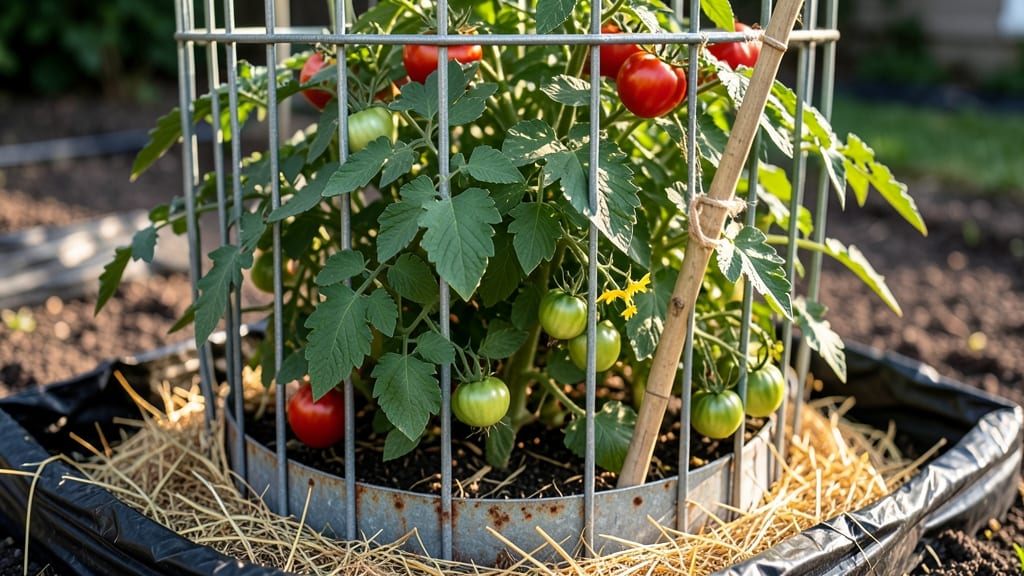
Buying guide: how to choose the right garden bed cage
1. Material and Durability 🛡️
Not all garden bed cages are created equal—material choice directly impacts durability, pest resistance, and cost. Galvanized wire mesh (like 18-gauge or 24-gauge) is the gold standard for long-term protection against rabbits, squirrels, and insects, thanks to its rust-resistant coating and tight weave.
However, it’s heavier and may require more storage space. For budget-friendly options, UV-resistant plastic mesh offers lightweight portability but may degrade faster under harsh sunlight. Counter-intuitively, chicken wire (24-gauge) is surprisingly effective for small plants but struggles against determined pests like deer.
If you’re dealing with predators like raccoons or large animals, opt for hardware cloth (1/4-inch or smaller) or powder-coated steel frames—they’re a significant investment but provide unmatched durability.
I recommend matching the material to your biggest pest threat: wire mesh for general pests, plastic for portability, and steel for serious predators.
2. Modularity and Ease of Assembly ⚡
The best garden bed cages save you time—look for modular designs with snap-together sections or quick-release clips. These systems let you expand or shrink the cage as your plants grow without buying a new one.
For example, hoop-style cages (like those with galvanized steel arches) offer great airflow but require more assembly time. On the other hand, pre-assembled modular panels (with clips or interlocking joints) can be set up in minutes—perfect for busy gardeners.
If you’re protecting seedlings or small plants, a foldable frame with snap-together sections (like the budget-friendly plastic mesh cages) is ideal. For larger gardens, prioritize locking clamps or reinforced joints to ensure stability.
Pro tip: Avoid cages that require tools or complex assembly—your time is valuable, and a cage should make gardening easier, not harder.
3. Size and Scalability ✅
Your cage should grow with your garden! Start by measuring your garden bed dimensions and choose a cage that accommodates both your current plants and future growth.
Modular cages (with expandable sections or adjustable hoops) are the most versatile—they let you add panels as your plants mature without replacing the entire structure. For raised beds or containers, look for cages with customizable heights (e.g., 12–24 inches) to fit your setup.
If you’re growing tall plants like tomatoes or trellised vines, opt for cages with extendable tops or side panels. A common mistake? Buying a cage that’s too small—measure twice, buy once!
For portability, prioritize collapsible designs that can be stored flat when not in use, while permanent frames (like hoop houses) offer stability for year-round protection.
4. Portability and Storage 💡
Let’s be honest: Storage space is a luxury. If you’re a renter, seasonal gardener, or have limited space, prioritize collapsible or foldable cages. Lightweight options (like plastic mesh or aluminum-framed cages) can be stored in a closet, under a bed, or even hung on a wall.
For heavy-duty cages (steel frames or thick wire mesh), look for designs that break down into compact sections—think of them as your garden’s "toolbox in a box." If you’re dealing with snow loads or high winds, permanent frames (like hoop houses) may be worth the trade-off in stability.
Pro tip: Galvanized steel cages are bulkier but last decades, while plastic cages are perfect for short-term use. Ask yourself: Will I need to move this cage often? If yes, portability wins; if it’s a permanent fixture, durability takes priority.
5. Pest-Specific Protection 🔍
Not all pests are equal—and neither are cages. Rabbits and deer require 1/4-inch hardware cloth or thicker wire mesh (18-gauge or less), while insects and small rodents can be deterred by 0.5-inch plastic mesh. For birds, add a floating row cover or netting on top of your cage.
If you’re growing delicate herbs or seedlings, a fine-mesh cage (like 1/8-inch hardware cloth) will block even the most persistent pests.
Here’s a quick cheat sheet: - Rabbits/Deer: 18-gauge galvanized wire or 1/4-inch hardware cloth - Squirrels/Rodents: 1/4-inch mesh or chicken wire (24-gauge) - Insects/Birds: 0.5-inch plastic mesh or fine netting - Raccoons/Predators: Powder-coated steel frame with locking clamps Counter-intuitively, taller cages (30+ inches) deter deer better than short ones—animals are less likely to jump over a high barrier.
If you’re in a high-predator area, reinforce the base with stakes or weights to prevent digging.
Frequently asked questions
Q: What size garden bed cage do I need for my plants?
Start by measuring your garden bed dimensions and add 6–12 inches to each side to account for plant growth and easy access. For seedlings or small plants, a 12–18-inch tall cage with a 24-inch diameter works well, while mature vegetables or trellised plants (like tomatoes) require 24–36-inch tall cages with 30+ inches in diameter. Always check the product specifications for modular cages, as many allow you to expand sections as your plants grow. If you’re unsure, opt for a slightly larger cage—it’s easier to adjust downward than to upgrade later.
Q: Can I use a garden bed cage for both raised beds and in-ground gardens?
Yes! Most modular garden bed cages are designed to work with both raised beds and in-ground gardens, but the setup varies slightly. For raised beds, simply place the cage over the bed and secure it with stakes or weights to prevent shifting. For in-ground gardens, ensure the cage is deep enough to bury the base slightly (or use anchoring stakes) to deter digging pests like rabbits. Hoop-style cages (like the galvanized steel hoop house) are especially versatile, while collapsible wire mesh cages can be adjusted to fit any shape. Always check the manufacturer’s guidelines for weight limits if your garden bed is heavy.
Q: How do I assemble a modular garden bed cage quickly?
Assembly time varies by design, but most modular cages can be set up in under 10 minutes with these tips: Start by laying out the base panels and connecting them with quick-release clips or snap-together joints. For hoop-style cages, insert the galvanized steel hoops into the base and attach the side mesh panels using the included hardware. If your cage uses zip ties or stakes, pre-measure and mark the ground for even spacing. Pro tip: Watch a short assembly video (often linked in product descriptions) to visualize the process. Avoid over-tightening clips, as modular cages need flexibility to expand or collapse.
Q: What’s the difference between wire mesh and plastic mesh cages?
The key differences lie in durability, pest resistance, and portability. Wire mesh cages (especially 18-gauge galvanized or hardware cloth) offer superior strength and long-term protection against rabbits, deer, and rodents, but they’re heavier and bulkier. Plastic mesh cages, on the other hand, are lightweight, foldable, and budget-friendly, making them ideal for small gardens or renters. However, plastic mesh degrades faster in sunlight and may not stop determined pests like raccoons. Choose wire mesh for serious pest problems or long-term use, and plastic mesh for portability and short-term protection. For herbs or seedlings, a fine-mesh plastic cage can work, but wire mesh is the safer bet for most vegetables.
Q: Will a garden bed cage work for vertical gardening or trellised plants?
Many modular garden bed cages are designed to support vertical growth, especially those with extendable tops or side panels. For trellised plants (like cucumbers, beans, or tomatoes), look for cages with adjustable heights (30+ inches) or removable tops that can be extended with additional hoops or mesh. Some hoop-house-style cages even include built-in trellis sections. If your cage doesn’t have these features, you can attach a separate trellis inside the cage or extend the mesh vertically with zip ties or clips. Just ensure the cage is sturdy enough to support the weight of climbing plants—galvanized steel frames are the best choice for heavy vines.
Q: How long will a garden bed cage last, and is it worth the investment?
The lifespan of a garden bed cage depends on material and maintenance. Galvanized wire mesh or steel-framed cages can last 5–10+ years with minimal upkeep, while plastic mesh cages typically last 1–3 years before UV degradation sets in. If you’re investing in a mid-range or premium cage, the long-term savings (no more lost crops to pests) often justify the cost. For example, a collapsible galvanized wire cage (mid-range) may cost more upfront but saves you money over time by preventing damage. Budget-friendly options (like chicken wire or plastic mesh) are great for short-term use or small gardens, but they may need replacement every few seasons. If you’re serious about gardening, I recommend prioritizing durability—a well-built cage pays for itself in protected harvests.
Q: What’s the best budget-friendly alternative to a full-sized garden bed cage?
If you’re on a tight budget but still need pest protection, consider these affordable alternatives: Chicken wire (24-gauge) is the cheapest option for small plants or seedlings, though it’s less durable. Floating row covers (made of lightweight fabric) work well for insects and small pests and can be removed for pollination. For rabbits or deer, DIY cages using wooden stakes and wire mesh (purchased separately) offer customizable protection at a fraction of the cost. Another great option is a tomato cage or trellis (often budget-friendly) that doubles as a pest barrier for smaller plants. If you’re protecting multiple small areas, a single large cage (even a mid-range model) can often be reused across different beds, stretching your investment further.
★★★★★4.9(6 reviews)