
Landscaping
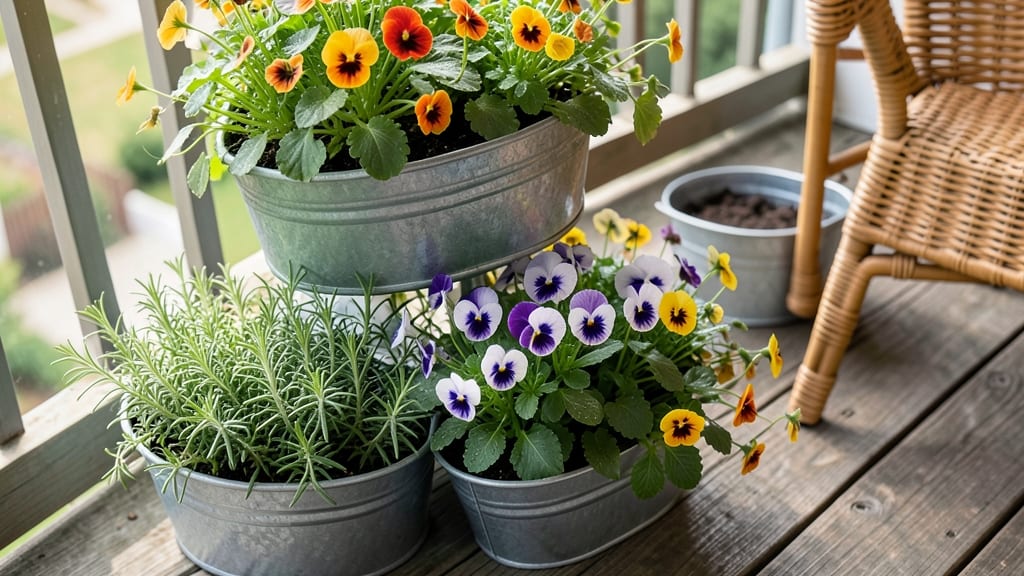
Transform your garden beds into year-round showcases with these 10 low-maintenance landscaping ideas. Each design uses strategic plant pairings that require minimal swaps while delivering vibrant color and texture through every season.
Layered Perennial Border With Evergreen Foundation
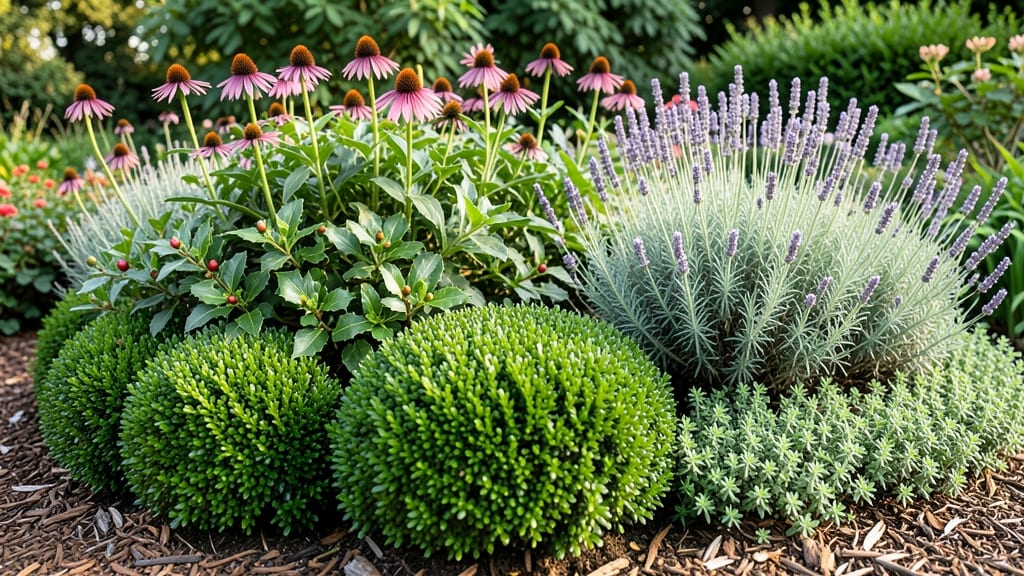
Small spaces don’t mean small impact—this layered perennial border packs a punch with a year-round foundation that requires zero seasonal swaps. The secret? Planting evergreen shrubs like boxwood or dwarf holly at the base, then layering in perennials like coneflowers and lavender that bloom at different times. This creates instant structure while keeping your garden lively from winter through summer.
Start with a 12-inch-tall evergreen like boxwood or inkberry holly along the bed’s edge for a polished look. Add mid-height perennials (2-3 feet) such as black-eyed Susans or Russian sage, then top with ornamental grasses like little bluestem for movement. Mulch with shredded bark to suppress weeds and retain moisture—critical for small beds where every inch counts.
Urban gardeners and first-time designers will love this design because it minimizes empty seasons and maximizes visual appeal. Once established, it thrives with one deep watering per week and occasional pruning. 🌿
Edible Flower Garden With Pollinator Pathways
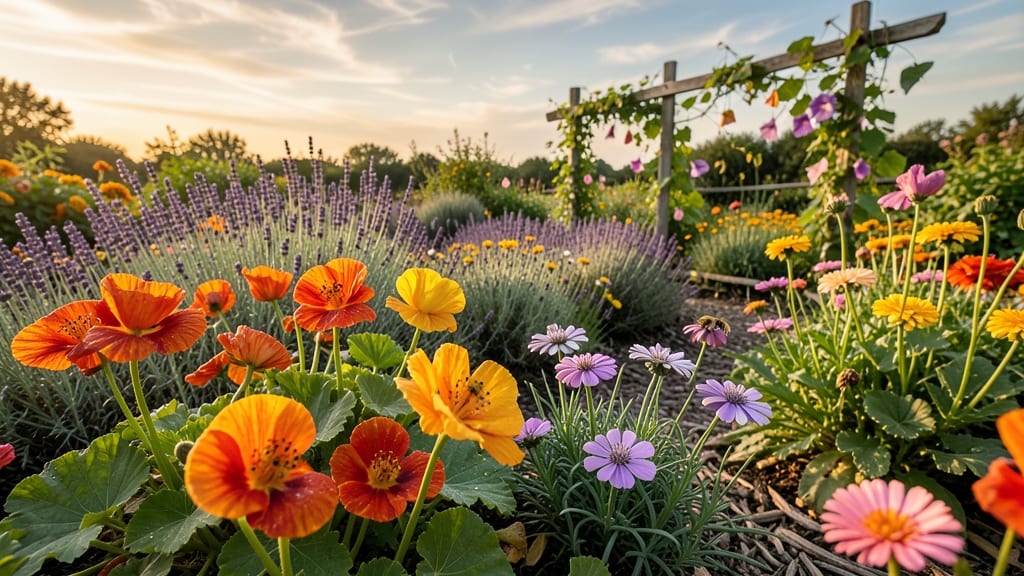
Why settle for just pretty flowers when your garden can also feed you? An edible flower garden with pollinator pathways turns your landscape into a dual-purpose powerhouse—beautiful blooms that also fill your kitchen and support local ecosystems.
Start with nasturtiums (edible leaves and flowers) and calendula (petals for salads, anti-inflammatory properties) as your foundation. Add borage for cucumber-flavored flowers that attract bees, then weave in lavender for culinary uses and pollinator appeal. Plant these in raised beds with drip irrigation to conserve water while keeping soil healthy—organic gardeners will love this low-spray approach.
This design thrives in full sun to partial shade, making it versatile for most climates. Perfect for urban gardeners with small spaces or rural homesteaders wanting to boost biodiversity—your bees will thank you while your dinner plate benefits too. 🌻
Drought-Tolerant Succulent Terrace Design
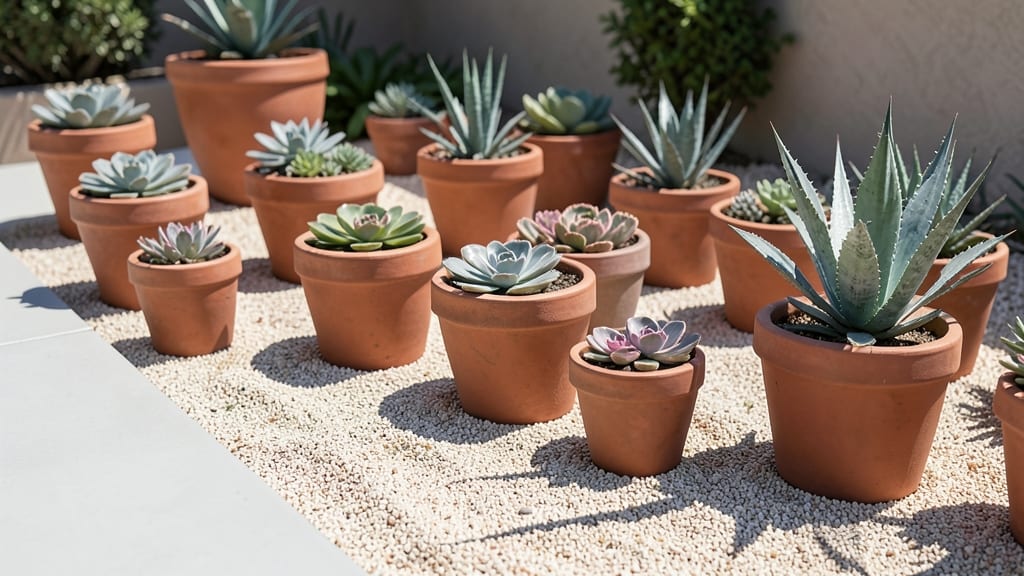
Tired of spending weekends watering plants that still look thirsty? A drought-tolerant succulent terrace turns your sunniest spot into a zero-effort oasis that thrives on neglect. This design combines geometric terracotta pots with sedum, echeveria, and agave to create a modern, water-wise statement that requires only occasional attention.
Start by grouping succulents with similar sunlight needs—place sun-loving agave at the front and tolerant sedum in slightly shaded areas. Use pebbled gravel between pots to suppress weeds and retain moisture. The key to success? Well-draining soil and terracotta containers that wick away excess water. Water deeply just once every 2-3 weeks (or when the soil feels completely dry), and watch your terrace stay lush without the fuss.
This design is perfect for urban gardeners, busy professionals, or anyone craving a low-maintenance yet stylish landscape. It’s the ultimate solution for transforming concrete jungles into vibrant, drought-proof escapes. 🌻
Seasonal Color Wheel Planting Scheme
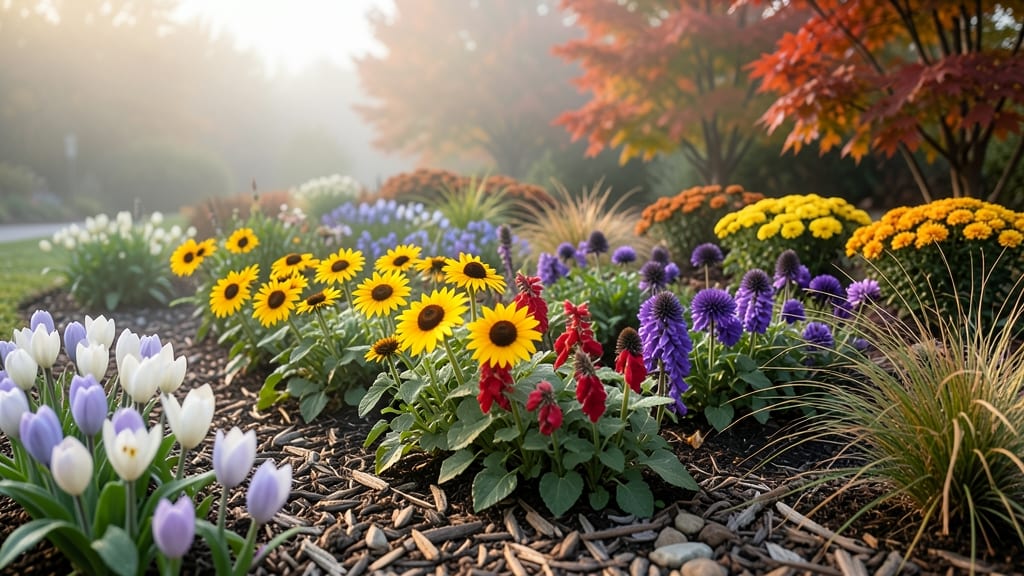
Tired of replanting every season to keep your garden looking fresh? A seasonal color wheel scheme lets you transform your bed effortlessly by leveraging plants that bloom in sequence—spring, summer, and fall—using complementary colors that naturally transition without gaps.
Start with early bloomers like tulips (soft pinks and purples) that fade into mid-season peonies (rich reds and whites), then give way to chrysanthemums (deep golds and burgundies) as temperatures cool. This approach requires only three core plant types per bed, with each contributing to the next phase of color. For example, pair salvia (blue) with coreopsis (yellow) for a summer pop, then let sedum (crimson) take over as foliage interest in autumn.
This method is ideal for gardeners who love variety but hate the work—no replanting, just natural progression. Plus, the color harmony creates a cohesive look that feels intentional and low-effort. 🌻
Vertical Herb Garden With Climbing Edibles
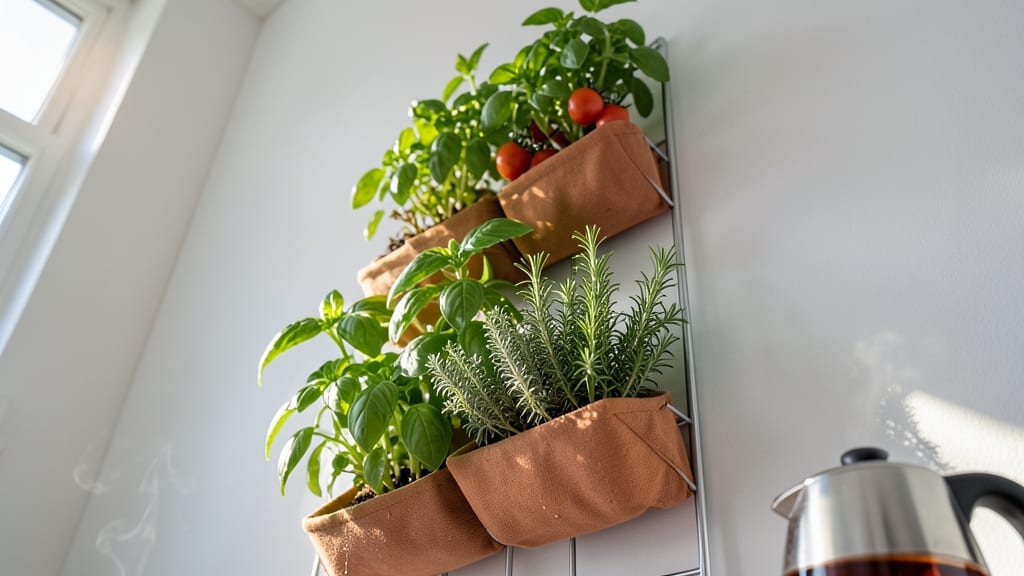
Turn your tiny balcony or kitchen nook into a fragrant, functional oasis with a vertical herb garden that doubles as a salad bar. This space-saving design lets you grow basil, thyme, rosemary, and even cherry tomatoes upward instead of outward, keeping them within arm's reach for fresh cooking ingredients.
Start with a sturdy wall-mounted trellis or repurposed ladder planter filled with well-draining potting mix. Plant fast-growing herbs like basil and parsley in the front, while climbing edibles such as pole beans or indeterminate tomatoes take the back. Add a drip irrigation system to automate watering—herbs typically need 1-2 inches of water weekly, but check soil moisture before watering again.
Perfect for urban gardeners or anyone with limited ground space, this design gives you instant flavor while adding greenery to bare walls. Plus, the vertical structure keeps pests like slugs at bay. 🌱
Moon Garden With Nocturnal Blooms
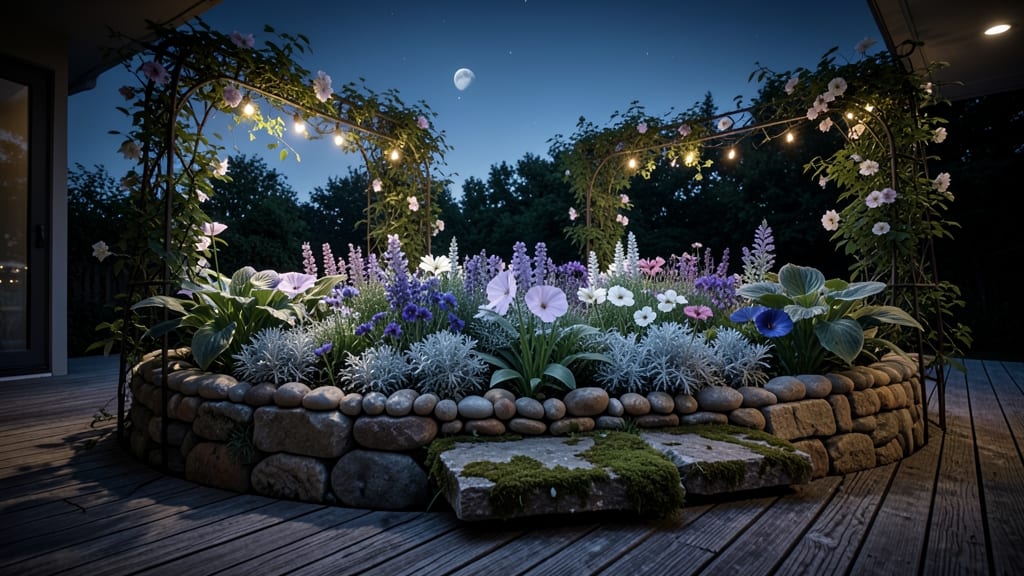
Transform your patio or evening retreat into a fragrant oasis with a moon garden—a curated space that comes alive after dark. This enchanting design features night-blooming flowers that release their intoxicating scents as the sun sets, turning your garden into a twilight sanctuary.
Start with moonflower (Ipomoea alba), whose large, creamy-white blooms unfurl at dusk and close by dawn, accompanied by the sweet fragrance of night-scented stock (Matthiola longipetala). Add evening primrose (Oenothera biennis) for its golden-yellow flowers and honey-like aroma that peaks at night. Plant these in partial shade to full sun (depending on your climate) and group them near seating areas or pathways to maximize their sensory impact.
Perfect for gardeners who love low-maintenance yet dramatic displays, moon gardens require minimal upkeep—just ensure well-draining soil and occasional deadheading to prolong blooms. Your evenings will never be the same once you experience the magic of a garden that shines brightest when the world quiets down. ✨
Textural Contrast Garden Using Foliage
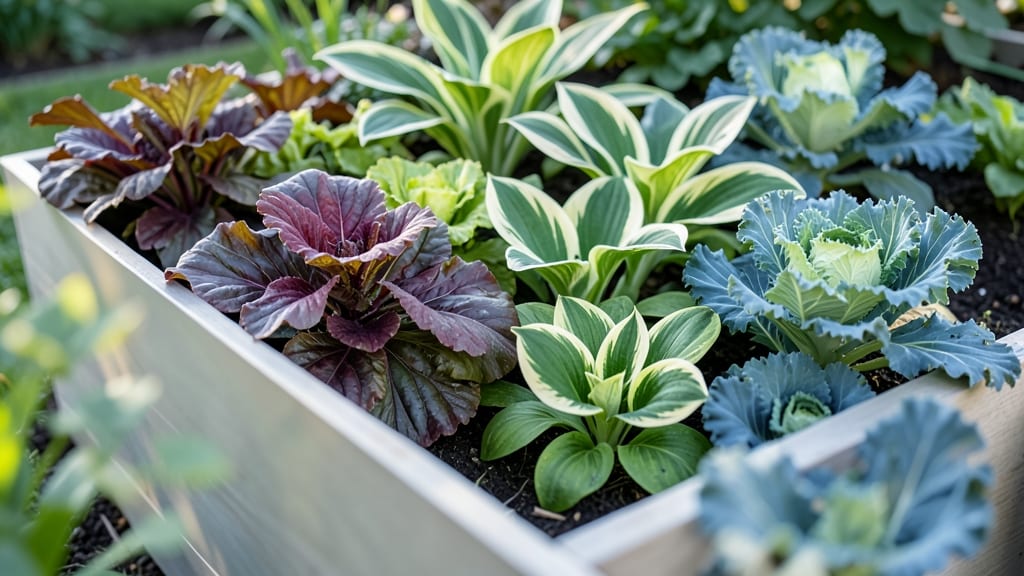
Skip the blooms—your garden’s true stars might be hiding in the leaves! A textural contrast garden turns foliage into the main event, using plants like heuchera (with its velvety leaves), hostas (ruffled and broad), and ornamental kale (bold, sculptural shapes) to create visual drama year-round.
Mix smooth, spiky, and feathery textures for instant depth—pair the fuzzy lamb’s ear with the sharp-edged acanthus or the lacey ferns with the bold, waxy leaves of dracaena. These plants thrive in partial shade and require minimal care, making them perfect for low-maintenance beds. Focus on leaf colors too: deep purples, silvers, and chartreuse add vibrancy without flowers.
This design is ideal for gardeners who love artistic, ever-changing landscapes without seasonal replanting. It’s also a lifesaver for shaded areas where blooms struggle—foliage plants shine in low-light conditions and often last through winter. 💚
Wildlife Habitat Pocket Garden
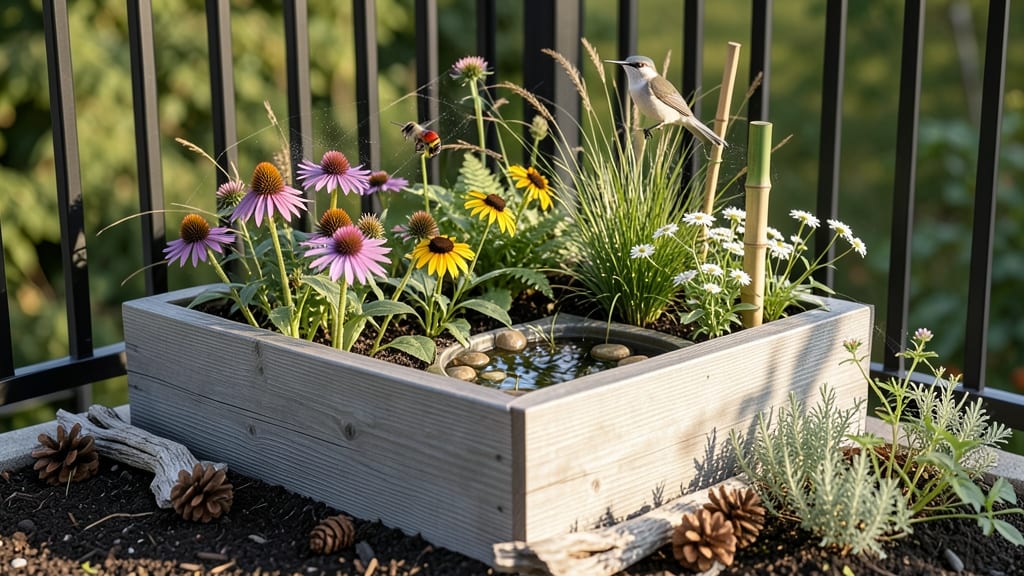
Turn even the tiniest corner of your yard into a buzzing hub for pollinators and songbirds without sacrificing a polished look. This wildlife habitat pocket garden proves that eco-friendly spaces can be both functional and attractive—perfect for urban balconies, patio edges, or small backyards where every inch counts.
Start with a mix of native milkweed (essential for monarch butterflies), purple coneflowers (a pollinator magnet), and little bluestem grass (for winter interest). Add a small bird feeder or shallow water dish to complete the setup. The key is keeping plants neatly pruned—regular trimming prevents wild overgrowth while maintaining a tidy appearance. This design thrives in full sun to partial shade and requires minimal water once established.
Ideal for eco-conscious gardeners who want to make a difference, this pocket garden brings life to your space while supporting local ecosystems—no sprawling meadow required. 🌱
Winter Interest Garden With Architectural Plants
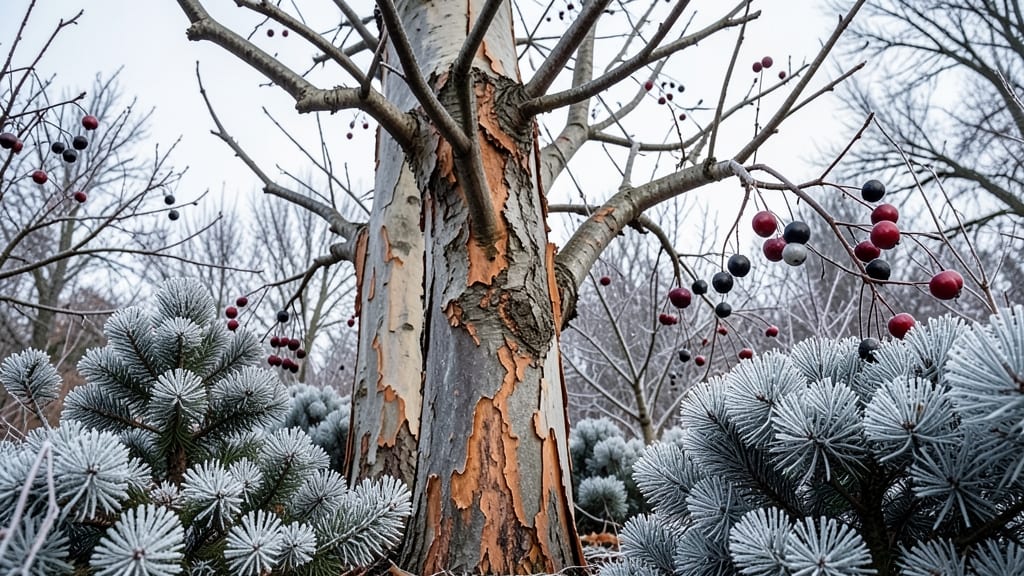
When winter strips your garden of color, architectural plants become the unsung heroes—keeping your landscape structured and striking even when most plants sleep. These plants focus on form over flowers, offering bold textures, peeling bark, and persistent berries that catch the light in frosty air.
Start with evergreen shrubs like Holly (for glossy leaves and berries) or Boxwood (compact and sculptable). Add ornamental grasses such as Miscanthus or Feather Reed Grass for movement in still winter air. Don’t overlook winter berries like Winterberry Holly or Coralberry, which provide pops of color when little else is blooming. These plants thrive with minimal care—just prune occasionally to maintain shape and enjoy their year-round drama.
This design is perfect for gardeners who want their space to feel alive even in the coldest months. With a little planning, your winter garden can be just as captivating as the rest of the year. ✨
Container Garden Rotating Seasonal Displays

Say goodbye to static garden beds and hello to seasonal variety without the commitment! Rotating container displays let you swap out plants as often as you like—perfect for renters, small balconies, or anyone who loves fresh garden looks without replanting entire beds.
Start with a core set of interchangeable pots (terracotta for warmth, fabric for flexibility) and rotate them every 6-8 weeks. Use spring bulbs (tulips, daffodils) in early containers, transition to heat-loving annuals (geraniums, petunias) for summer, and switch to fall mums or ornamental kale for autumn drama. Group pots by size for cohesive displays, and use saucers to catch water for thirsty plants.
This approach is ideal for urban gardeners or those with limited space, offering endless design possibilities without permanent changes. Plus, you can easily adjust for sunlight needs by moving pots throughout the day. 🌻