
Tools
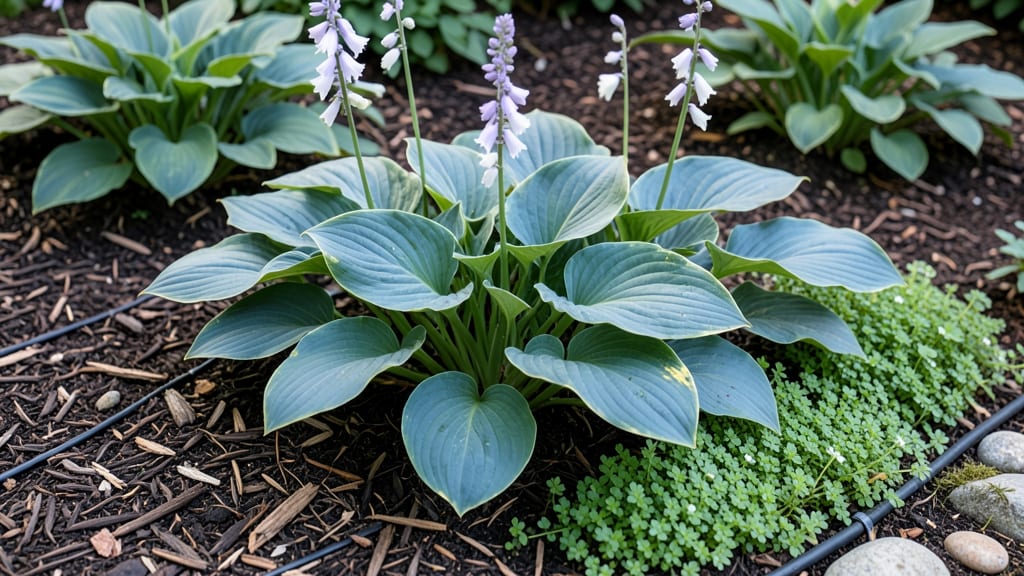
When garden bed shade cloth saves your heat-sensitive plants from wilting by midday, you’ll finally stop guessing whether they’ll survive the summer. ✨ I learned the hard way—my ferns and impatiens turned crispy after just two weeks of scorching afternoon sun, no matter how much I watered them.
The right shade cloth doesn’t just protect; it turns struggling plants into lush, thriving displays that last all season.
The secret isn’t just throwing up any fabric—it’s matching the shade percentage (30% for dappled light, 50% for partial shade) to your plants’ needs. A lightweight, breathable cloth lets rain through while blocking 50% of UV rays, keeping soil moisture steady and roots cool.
Most people overlook the importance of securing it tightly; a flapping cloth does more harm than good by creating windburn. My setup uses corner stakes and clips, and the difference in plant health is night and day.
By mid-July, your garden beds will look like they’ve been pampered all season—no more leggy, sun-stressed stems or yellowing leaves. The right shade cloth extends the growing season for delicate plants, lets you grow heat-sensitive veggies like lettuce in summer, and even protects young seedlings from harsh light.
It’s the unsung hero of summer gardening, turning “no-go zones” into productive spaces. Here’s how to pick the perfect one for your garden.
Works for everything from container gardens to large in-ground beds, and adapts to different climates. Whether you’re shielding tender annuals, preserving soil moisture, or creating a microclimate for shade-loving perennials, this is the tool that finally gives you control over summer gardening. Let’s get those plants thriving again!
📚 In This Guide
- What you need
- Instructions
- Tips and common mistakes
- Wrapping up and next steps
What you need
- ● Shade cloth: 30-50% UV-protective fabric (choose based on plant sensitivity; e.g., 30% for delicate greens, 50% for tropicals). Measure your garden bed’s surface area (length × width) and add 2-3 feet extra for overhang.
- ● Support frame: PVC pipes (½” diameter) or wooden stakes: 4–6 pieces, cut to match bed dimensions + 2 ft for stakes.
- ● Zip ties or bungee cords: 10–15 (for securing cloth to frame).
- ● Staple gun + staples: Heavy-duty (for attaching cloth to frame).
- ● Measuring tape & scissors: For precise cuts.
- ● Corner braces: For sturdy frame connections.
- ● Adjustable clips: To fine-tune shade coverage.
- ● Ground anchors: For windy areas (e.g., sandbags or metal stakes).
- ● Thermal reflective paint: For extra heat deflection (if using metal frames).
Step-by-Step guide to installing garden bed shade cloth
Here’s how to protect your heat-sensitive plants with a simple, effective barrier.
🪴 Step 1: Measure and Select the Right Shade Cloth
Start by measuring your garden bed’s dimensions—length, width, and height—to determine how much shade cloth you’ll need. I like to add 6 inches to each dimension to ensure full coverage, including overhang. For example, a 4-foot by 6-foot bed with 3-foot-tall plants needs cloth at least 4.5 feet by 6.5 feet. Check the shade rating (like 30% or 50% blockage)—lower percentages filter more light, ideal for delicate plants.
Choose a lightweight, breathable fabric (polypropylene works best) to allow airflow while blocking harmful UV rays. Avoid heavy materials that trap heat and suffocate plants. If your bed has irregular shapes, measure each side separately and cut cloth to fit snugly—just don’t stretch it, as that weakens the fabric over time.
☀️ Step 2: Set Up Support Structures
Shade cloth needs sturdy support to stay in place during wind or rain. I use T-posts or sturdy stakes driven into the ground at 4-foot intervals around the bed’s perimeter. For larger beds, add a center support post to prevent sagging. Attach horizontal bamboo poles or PVC pipes between posts to create a frame—this keeps the cloth taut and prevents pooling water.
Adjust the height based on your plants’ maturity. Seedlings need lower coverage (2-3 feet), while established plants may need 4-5 feet of shade. If your bed has tall plants in back and shorter ones in front, angle the cloth slightly to avoid shading the smaller ones unnecessarily. Test the frame’s stability by gently shaking it—if it wobbles, add more supports.
🌿 Step 3: Secure the Shade Cloth
Drape the shade cloth over the frame, starting at one corner and smoothing out wrinkles as you go. Use clothespins, zip ties, or bungee cords to attach it to the horizontal poles—avoid staples or nails, which can tear the fabric. Leave a 1-foot overhang at the bottom to protect soil from direct sunlight while still allowing airflow to the roots.
For extra security, weigh down the edges with rocks or bricks if your area gets windy. Check the fit after a few days—if the cloth sags or shifts, adjust the ties or add more supports. The goal is a snug, even barrier that doesn’t flap in the breeze but still lets rain drain through.
⏰ Step 4: Monitor and Adjust for Plant Health
After installation, watch your plants for 2-3 days to see how they respond. Healthy leaves should stay vibrant, and new growth should appear strong—not leggy or pale. If plants look stressed (yellowing or wilting), the shade might be too heavy—try lifting a corner to let in more light. Conversely, if leaves scorch or bleach, the coverage isn’t enough, and you may need a denser cloth.
Adjust the shade cloth seasonally. In early summer, use it full-time during peak sun hours (10 AM–4 PM). As temperatures drop in late summer, you can remove it entirely or use it only on the hottest days. Store it in a dry place when not in use—folded cloth traps moisture and mildew.
✂️ Step 5: Clean and Store for Next Season
At season’s end, remove the shade cloth and shake off debris. Rinse it with a hose or damp cloth to remove dust, dirt, and mold spores—never use bleach, as it can weaken the fabric. Let it dry completely in the sun before folding and storing in a dry, ventilated space (like a garage or shed). I store mine rolled loosely in a canvas bag to prevent creases and pests.
Inspect the cloth before reuse—look for holes, fraying, or UV damage (brittleness or discoloration). If it’s worn out, replace it; a degraded barrier won’t protect your plants effectively. With proper care, good-quality shade cloth lasts 3-5 years, saving you money and keeping your garden thriving.
Tips & tricks for perfect garden bed shade installation
Common pitfalls—and how to sidestep every one when setting up your shade barrier.
Material Selection: I can't stress enough how important it is to choose polypropylene shade cloth rated for outdoor use. Avoid cheaper alternatives like woven plastic—these trap moisture and can actually harm your plants by creating a greenhouse effect. Look for UV-stabilized fabric that won't degrade after just one season. The 30% shade rating works well for most heat-sensitive plants like lettuce and basil, while 50% shading suits tomatoes and peppers better.
Frame Stability: When setting up your support structures in Step 2, don't skimp on the 4-foot intervals for stakes. I've seen many gardeners try to stretch the cloth between fewer supports, but this leads to sagging and poor coverage. For beds wider than 6 feet, add that center support post—it makes all the difference in maintaining an even barrier. Pro tip: Use galvanized hardware for all connections to prevent rust that could damage your frame over time.
Seasonal Adjustments: The instructions mention adjusting for peak sun hours, but here's what nobody tells you—your plants' needs change as they grow. Start with 2-3 feet of coverage for seedlings, then gradually raise the cloth to 4-5 feet as plants mature. I adjust mine every 2-3 weeks during peak summer months, checking leaf color as my guide. Too much shade makes plants leggy, while too little causes scorching—both are easy to spot if you monitor closely.
Storage Wisdom: After removing your shade cloth at season's end, never store it folded tightly. The creases create stress points that weaken the fabric over time. Instead, roll it loosely in a canvas bag with a silicone desiccant packet to absorb moisture. I also recommend storing it vertically in a plastic bin with ventilation holes to prevent mold buildup. This simple storage method extends your cloth's lifespan by 2-3 years compared to improper folding.
Pro Tips for Garden Bed Shade
- Common pitfalls—and how to sidestep every one when setting up your shade barrier.
- Material Selection: I can't stress enough how important it is to choose polypropylene shade cloth rated for outdoor use.
- Frame Stability: When setting up your support structures in Step 2, don't skimp on the 4-foot intervals for stakes.
Frequently asked questions
Got questions about using garden bed shade cloth to protect your heat-sensitive plants? Here are some of the most common ones—and their answers!
What percentage of shade cloth should I use for heat-sensitive plants?
For delicate plants like lettuce, spinach, or young seedlings, 30-50% shade cloth is ideal—it blocks enough UV rays while still allowing light for photosynthesis. Heavier plants (e.g., tomatoes or peppers) can handle 20-30%. Always check the label for specifics!
When is the best time to install shade cloth over garden beds?
Install it before extreme heat arrives—usually late spring or early summer, depending on your climate. If you’re retrofitting, do it gradually to avoid shocking plants. Remove it in fall to allow full sunlight for winter prep or dormancy.
Can I reuse shade cloth year after year, or do I need to replace it?
Yes! High-quality shade cloth lasts 3-5 years if stored properly (clean, dry, and rolled). Look for UV-resistant coatings to extend its life. Replace it if it becomes brittle, discolored, or loses effectiveness—signs it’s no longer protecting your plants.
What are some alternatives to shade cloth for protecting garden beds?
If shade cloth isn’t an option, try:
- Row covers (breathable fabric for light shade)
- Drip irrigation (keeps foliage cool)
- Mulch (reflects heat and retains moisture)
- Trellises with vines (natural shade for nearby plants)
Why are my plants still wilting under shade cloth? What could I be missing?
Wilting under shade cloth often means:
- Too much shade (try a lighter percentage)
- Poor airflow (secure edges to prevent trapping heat)
- Underwatering (shade reduces evaporation—water consistently)
- Pests or disease (inspect leaves for issues)
Wrapping up and next steps
Creating a garden bed shade cloth barrier is a game-changer for protecting your heat-sensitive plants while keeping maintenance simple. With the right materials—like UV-resistant fabric, sturdy stakes, and clips—you can extend growing seasons and safeguard delicate greens from harsh sunlight. 🌿✨
Now that you’re equipped with the know-how, take action! Start small with a trial section of your garden, monitor plant responses, and adjust as needed. Happy gardening—your plants will thank you with lush, thriving growth all season long! 🌱💚