
Plants
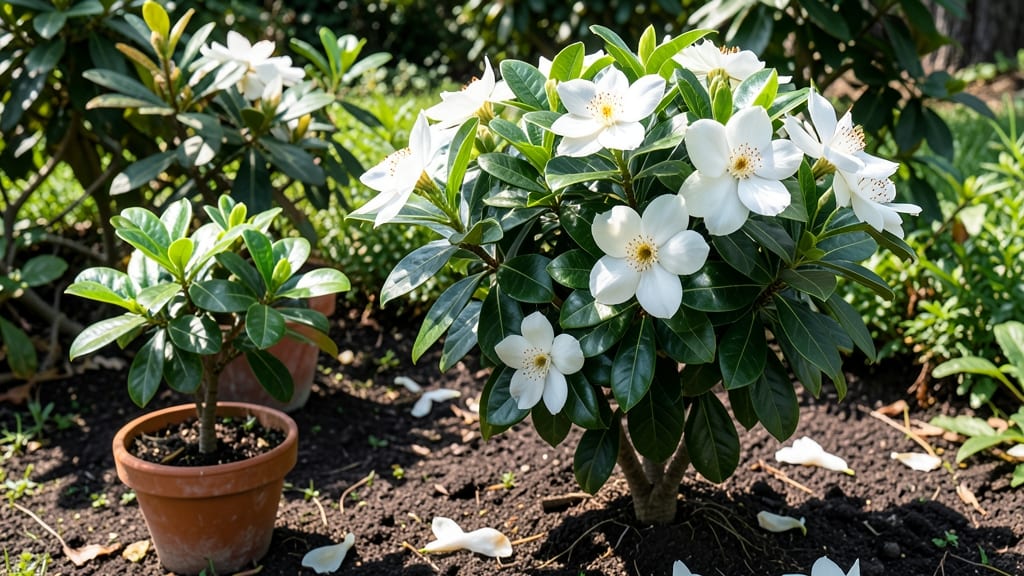
A gardenia plant thrives in partial shade with morning sun and afternoon shade—the sweet spot for those intoxicating blooms and glossy leaves.
Struggling to get your gardenia plant to bloom? The battle between sun and shade might be the hidden factor sabotaging your fragrant dreams—here’s how to crack the light code for lush, perfumed flowers.
These tropical beauties 🌸 crave bright but filtered light, which is why a north or east-facing window or a spot under a high tree canopy works best. Too much direct sun can scorch leaves, while too little shade stunts blooms—balancing act included.
Whether you’re growing in pots or planting outdoors, I’ll break down the exact light conditions your gardenia needs, how to troubleshoot leaf issues, and seasonal tweaks to keep it thriving year-round.
 Best Window Placement
Optimal sunlight requirements for gardenia blooms: how much light do they really need?
If you've ever struggled to get your gardenia plant to produce those coveted fragrant white blooms, sunlight might be the missing puzzle piece. Gardenias thrive in bright, indirect light, but the exact requirements change depending on whether your plant is in its vegetative or flowering stage.
Too much direct sun can scorch delicate leaves, while too little shade stunts growth and reduces blooms. Let's break down the science and practical tips to get your gardenia basking in the perfect light conditions.
Understanding a gardenia's photosynthesis needs is key to maximizing blooms. These tropical shrubs originate from Southeast Asia, where they experience dappled sunlight under forest canopies. This means they've evolved to prefer morning sun with afternoon shade, mimicking their natural habitat.
The challenge for home gardeners is replicating this balance, especially in regions with intense afternoon sunlight or overcast climates.
Here's the critical insight: gardenias need 4-6 hours of filtered sunlight daily during their vegetative growth phase (spring and early summer) to build strong stems and foliage. However, when buds form in late summer, they require reduced light intensity to prevent bud drop.
This dual requirement explains why many gardeners see lush leaves but few flowers—too much light at the wrong time disrupts the flowering process.
| Growth Stage | Ideal Light Exposure | Sunlight Hours | Regional Adaptations |
|---|---|---|---|
| Vegetative (Spring) | Bright indirect light (east or north window) | 4-6 hours | Use 30% shade cloth in hot climates |
| Flowering (Summer-Fall) | Dappled sunlight (morning sun + afternoon shade) | 3-4 hours | Move to filtered shade in peak sun zones |
| Dormant (Winter) | Bright indirect light (south window with filter) | 2-3 hours | Supplement with grow lights if needed |
| Indoor Cultivation | East-facing window (brightest indirect light) | 6-8 hours (rotated weekly) | Use sheer curtains to diffuse intensity |
The photosynthesis process in gardenias becomes more efficient when light intensity is balanced. Too much direct sunlight triggers an overproduction of reactive oxygen species, which damages chlorophyll and causes leaf burn.
On the other hand, insufficient light leads to etiolation—where stems elongate and leaves pale in search of more light, but at the cost of energy diverted from flower production.
The sweet spot is 50-70% sunlight filtration, which you can achieve with sheer curtains, lattice screens, or strategic plant placement.
For gardeners in hot climates (USDA zones 8-11), afternoon sun between 12 PM and 4 PM is particularly damaging. In these regions, I recommend placing gardenias where they receive only morning sunlight (6 AM - 10 AM) and then moving them to deeper shade.
A simple trick is to position them 3-5 feet away from a south-facing wall—the wall reflects light while diffusing its intensity. Alternatively, use 30-50% shade cloth during peak sun hours to mimic their natural forest understory conditions.
In cooler climates (USDA zones 6-7), gardenias can tolerate slightly more direct sunlight, especially in late afternoon when UV intensity is lower. However, even here, afternoon shade is crucial during summer months.
I've found that gardenias planted near deciduous trees (like oak or maple) benefit from natural shade that develops as leaves emerge in spring. This creates the perfect dynamic light environment that gardenias crave throughout the growing season.
One common mistake I see is assuming that more sunlight always equals better blooms. In reality, gardenias require a light intensity reduction when buds form to prevent premature dropping.
During the budding phase (typically late summer), move your gardenia to a location with only 2-3 hours of morning sun and keep it in partial shade for the remainder of the day. This adjustment can dramatically increase your bloom count and flower longevity.
If you're growing gardenias in containers, light requirements become even more critical due to limited root space. Container gardenias need rotational exposure to prevent uneven growth. I recommend turning your pot quarter-turns every 2-3 weeks to ensure all sides receive equal light.
For indoor gardenias, an east-facing window is ideal, but supplement with a grow light (12-14 hours daily) during winter months when natural light is scarce. LED grow lights with a 2700-3000K color temperature mimic the natural spectrum gardenias thrive on.
Remember that light quality matters as much as duration. Gardenias prefer cool, blue-rich light in the morning and warmer, red-tinted light in the afternoon. This light spectrum shift helps regulate their circadian rhythms and flowering cycles.
If you notice your gardenia's leaves developing a reddish tint, it's often a sign of too much direct afternoon sun—time to adjust its position or provide more shade.
For maximum fragrance and bloom production, aim to provide your gardenia with consistent light conditions throughout the year. Sudden changes in light exposure can stress the plant and lead to bud drop or leaf yellowing.
If you must move your gardenia, do so gradually over 5-7 days to allow it to acclimate. And always monitor your plant's response—healthy gardenias should have deep green
Signs your gardenia is getting too much sun or shade (and how to fix it)
Your gardenia plant might be silently screaming for help if it's struggling with light exposure. Too much direct sun or insufficient partial shade can turn your fragrant beauty into a sad, sparse shrub. Let's decode the visual clues your gardenia is giving you.
First, check the leaves. Yellowing leaves often signal too much shade, while brown, crispy edges or leaf scorch mean it's getting excessive sun. Both extremes can also lead to fewer blooms and leggy growth, which is every gardener's nightmare.
⚠️ callout warning ⚠️
Your gardenia's light needs are critical—too much sun causes leaf burn, while too little shade leads to weak stems and no flowers. Act now before permanent damage occurs!
Quick Fix: Move potted gardenias to east-facing windows or use 30% shade cloth if outdoors. For overly shaded spots, prune nearby trees or relocate the plant.
If your gardenia's leaves are curling or dropping prematurely, it's likely overheated from too much afternoon sun. Try providing afternoon shade with a lightweight shade cloth or by placing it under a dappled tree. Remember, gardenias thrive on morning sun but need protection from harsh afternoon rays.
For shade-loving gardenias, look for pale, sparse foliage and long, weak stems. These are classic signs of etiolation, where the plant stretches toward any available light.
To fix this, prune leggy growth back by one-third and move the plant to a brighter location, like a south-facing window with filtered light or a sunny patio with afternoon shade.
Seasonal adjustments are key! In summer's intense heat, gardenias need more shade, while spring and fall offer the perfect balance of gentle sunlight. Use reflective surfaces, like white walls or mirrors, to bounce light into shady spots.
For container gardenias, rotate pots weekly to ensure even light exposure on all sides.
Don't forget to monitor soil moisture—dry soil worsens sun stress, while overwatering can drown roots in shady conditions. Aim for moist but well-draining soil and water deeply in the morning to keep roots happy.
With these tweaks, your gardenia will reward you with lush foliage and heavenly blooms all season long! 🌸