
Size
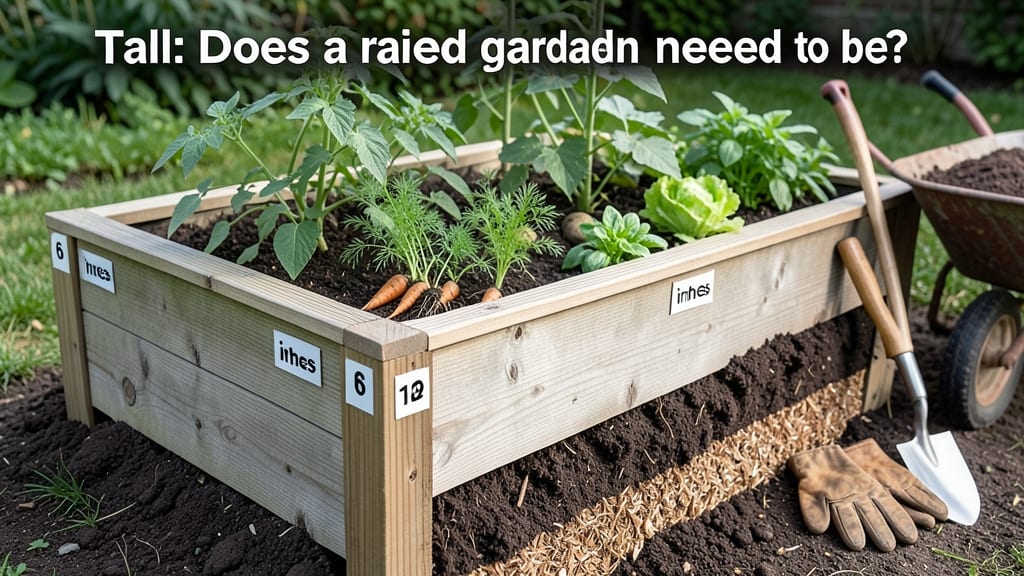
To determine how tall your raised garden bed needs to be, aim for 6 to 12 inches for most plants, as this provides ideal root depth and accessibility while maintaining good drainage. Deeper beds (up to 18 inches) work best for taller plants and improved soil aeration.
A raised garden bed's height directly impacts plant health and your gardening experience. 🌱 The standard 6-12 inch range gives roots enough room to spread while keeping soil warm and easy to manage.
For larger plants like tomatoes or corn, deeper beds (up to 18 inches) prevent root binding and improve water retention. I've found that adding compost to deeper beds boosts fertility without requiring extra soil volume.
Accessibility matters too—kneeling gardeners often prefer 10-12 inch beds to reduce strain, while standing gardeners might opt for 12-18 inch heights to minimize bending. Wooden beds typically max out at 12 inches due to material limitations, but brick or stone constructions can go deeper.
Always include drainage holes to prevent waterlogging, regardless of height.
💡 In This Article
- Raised Garden Bed Height and Plant Root Requirements
- Best Raised Garden Bed Heights for Accessibility and Soil Quality
Raised garden bed height and plant root requirements
The height of your raised garden bed directly impacts root development because plants need sufficient soil depth to establish strong, healthy roots. Most vegetables thrive in 6-12 inches of soil, which provides enough space for roots to spread without becoming compacted.
For example, carrots and beets need at least 12 inches of depth to grow fully, while shallow-rooted herbs like basil or thyme can flourish in just 6 inches.
The deeper the bed, the more soil volume you have to retain moisture and nutrients, which is especially important during dry spells.
Drainage and aeration improve with height too. A 12-inch bed allows water to percolate through the soil more effectively, preventing waterlogging that can suffocate roots. Deeper beds (up to 18 inches) are ideal for heavy clay soils, where water can pool and restrict oxygen flow.
This extra depth mimics natural soil conditions where roots can explore downward, accessing nutrients and moisture more efficiently. For instance, tomatoes—with their deep taproots—benefit from 18-inch beds to support their growth and fruit production.
Soil composition also plays a role in how height affects plant performance. Lighter, well-draining soils like sandy loam can support slightly shallower beds (8-10 inches) because they don’t compact as easily.
In contrast, heavier clay soils require deeper beds (12-18 inches) to prevent compaction and improve root penetration. Adding organic matter like compost or aged manure to deeper beds enhances soil structure, making it easier for roots to grow and for water to move through the soil.
Another key factor is how height influences soil temperature. Deeper beds stay cooler in summer and warmer in winter, creating a more stable microclimate for roots. This is particularly beneficial for heat-sensitive crops like lettuce or spinach, which can bolt (go to seed prematurely) in hot conditions.
Conversely, shallow beds (6 inches) warm up faster in spring, which can be advantageous for quick-growing plants like radishes or green onions that prefer cooler soil temperatures.
Consider the plant types you’re growing when choosing height. Root vegetables like potatoes or parsnips need 12-18 inches of soil to develop fully, while leafy greens and herbs can thrive in shallower beds. For mixed beds, aim for 12 inches to accommodate a variety of plants without compromising growth.
The extra height also makes it easier to add compost or mulch over time, maintaining soil fertility without disturbing the roots.
For taller plants like corn or sunflowers, deeper beds provide the stability they need to grow upright without toppling. The added soil volume also supports their extensive root systems, which can spread several feet wide.
If you’re growing these types of plants, a 16-18 inch bed is ideal, but ensure it’s wide enough (at least 4 feet) to accommodate their mature size and prevent overcrowding.