
Companion Plants
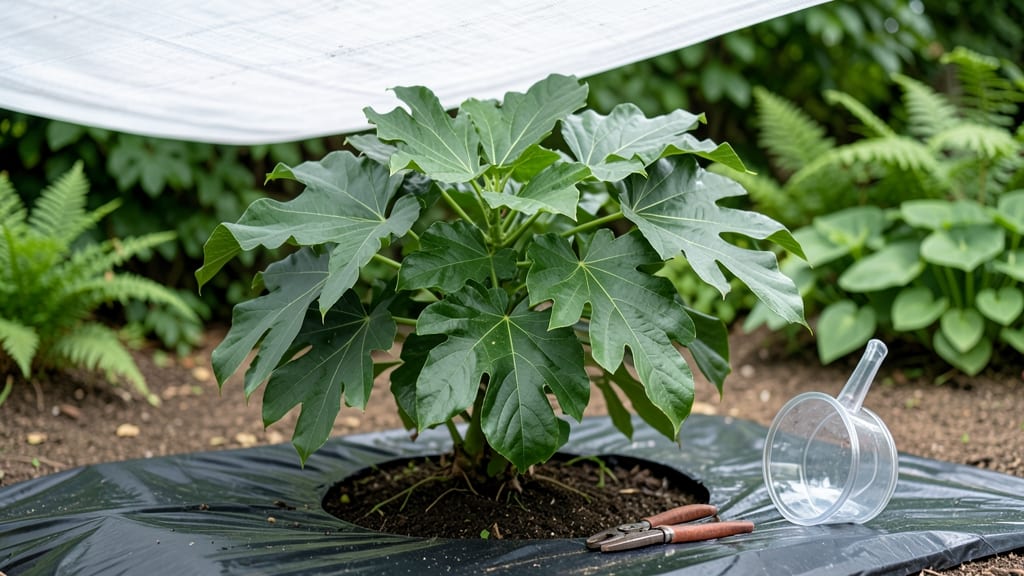
Providing shade for plants isn’t just about preventing sunburn—it’s about giving them the perfect balance of light and protection. 🌿 I’ve learned the hard way that too much sun can scorch leaves faster than you think, especially for tropical plants or seedlings that aren’t used to harsh afternoon rays.
The right shade setup can mean the difference between thriving foliage and crispy, wilted messes by midsummer.
You don’t need fancy equipment to make this work—just a few simple tools like shade cloth, strategic plant placement, or even DIY barriers like burlap sacks or lattice screens.
For heat-sensitive veggies like lettuce or basil, a 50% shade cloth stretched overhead can cut down on sun intensity while still letting enough light through for growth. And if you’re working with seedlings, a lightweight row cover does the trick without blocking airflow completely.
The payoff is immediate: plants stay hydrated longer, leaves stay vibrant, and you avoid the heartbreak of sudden wilting or sunburned patches. I’ve seen my tropical ferns go from struggling to thriving just by moving them under a simple pergola with climbing vines—nature’s built-in shade solution.
The key is adjusting as the season changes; what works in June might need tweaking by August.
Works for everything from patio pots to full garden beds, and you can mix methods—like using taller plants as windbreaks while shade cloth handles the sun. Let’s get those plants protected the right way!
📚 In This Guide
- What you need
- Instructions
- Tips and common mistakes
- Wrapping up and next steps
What you need
- ● Shade cloth: 30-60% density (for partial shade) or 70-90% (for full shade). Measure based on your garden area—buy extra for adjustments.
- ● Stakes or hoops: Metal or wooden (1-2 inches in diameter, 4-6 feet tall) to support shade cloth. Quantity depends on spacing (every 4-6 feet for hoops).
- ● Twine or zip ties: Heavy-duty, UV-resistant (100+ feet) to secure cloth to stakes/hoops.
- ● Bamboo or wooden lattice: Pre-cut panels (4x8 feet) for vertical shade or trellis structures.
- ● Mulch: Organic (straw, wood chips) or inorganic (gravel) to reflect light and retain moisture (1-2 inches deep).
- ● Scissors or utility knife: For cutting shade cloth or mulch.
- ● Measuring tape: To ensure proper spacing and coverage.
- ○ Staple gun (optional): For securing shade cloth to frames or fences.
- ○ Plant markers (optional): To label shaded areas for future reference.
- ○ Reflective surfaces (optional): White paint or aluminum foil strips to redirect light toward plants.
- ● Know your plants’ shade needs (e.g., coleus thrives in 30% shade, while ferns prefer 70%).
- ● Check local climate—hotter areas may need denser shade or afternoon protection.
- ● Clear debris from the planting area to ensure even coverage.
Step-by-step guide to creating effective plant shade solutions
Here's how to protect your plants without sacrificing their natural growth patterns.
☀️ Step 1: Assess Your Plants' Sun Needs
First, observe your plants for signs of stress—crispy leaf edges or bleached patches mean they're getting too much sun. Most tropical plants and young seedlings need 30-50% shade, while established perennials might tolerate partial shade (3-6 hours of morning sun). I like to test by moving a plant to different spots for a week before committing to a shade solution.
Check the direction of sunlight in your garden—south-facing areas get the most intense light, while east or north exposures are gentler. If your plants are already wilting or scorched, you'll need immediate shade, but for prevention, gradual adjustments work best. Watch for 1-2 days of afternoon sun as your first warning sign that protection is needed.
🪴 Step 2: Choose the Right Shade Material
For temporary shade, use lightweight fabric shade cloths (30-50% blockage) or lattice screens to diffuse light. I prefer knitted polyester cloths because they allow airflow while filtering UV rays. For permanent solutions, consider trellises with climbing vines (like morning glories or clematis) or overhead structures with thatched roofs for delicate plants.
If you're using cloth, measure the area you need to cover and cut it to size—leave 4-6 inches of extra fabric on all sides for securing. Avoid plastic sheets; they trap heat and can burn leaves even more than direct sun. For containers, white plastic pots reflect excess light better than dark ones, giving an extra layer of protection.
✂️ Step 3: Install Shade Structures Properly
For freestanding shade cloths, use T-posts or stakes to create a frame 12-18 inches above the plants—this prevents the fabric from touching leaves and causing moisture buildup. Secure the cloth with clips or bungee cords, ensuring it’s taut but not stretched tight. If using a trellis, plant fast-growing vines on the north or east side of the structure so they grow toward the sun naturally.
Adjust the height based on plant size—tall plants (like tomatoes) need shade 6-12 inches above the canopy, while low-growing herbs only require 4-6 inches of coverage. Test the shade by holding a white sheet of paper under the structure; if you can barely read text through it, the shade level is about right. For partial shade, leave gaps in the fabric or use slatted wood panels to filter light in stages.
💧 Step 4: Monitor and Adjust for Seasonal Changes
Shade needs change with the seasons—summer sun is most intense, so check your plants every 2-3 weeks and adjust coverage as needed. If leaves start yellowing or dropping, the shade might be too heavy; if growth slows dramatically, it’s likely too light. I like to rotate cloths between plants to extend their life and ensure even wear.
In early spring or fall, you may need to remove shade entirely as sunlight becomes less harsh. Watch for new growth—if it’s pale or leggy, the plant is stretching for light. For container plants, move them to shadier spots during peak afternoon sun (typically 12-4 PM), then return them to brighter light in the morning. This mimics natural shade patterns and prevents shock.
🌿 Step 5: Combine Shade with Proper Watering
Shade reduces evaporation, so water less frequently—check soil moisture by sticking your finger 1 inch deep. If it’s dry, water deeply, but if it’s still damp, wait another day. Mulch (like straw or wood chips) helps retain moisture and keeps roots cool. I use 2-3 inches of mulch around shaded plants to prevent temperature swings that can stress foliage.
Avoid wetting leaves when watering shaded plants—damp foliage in low light encourages fungal diseases like powdery mildew. Water at the base of the plant in the early morning so leaves dry quickly. If you notice spider mites (tiny webs on undersides of leaves), increase humidity around the plant with a light misting or pebble tray to deter them.
Tips & tricks for perfect plant shade solutions
Real talk: I learned these tricks after watching my tropical plants wilt despite my best efforts. The difference between a thriving garden and a sad one often comes down to these small but critical details.
The Direction Matters: South-facing areas need the most protection because they receive the most intense sunlight. I've found that positioning shade structures on the west side of plants (where afternoon sun hits hardest) gives the best results. This is especially important for plants like ferns or calatheas that can't handle direct light. If you're unsure, try rotating your shade cloths throughout the day to see where the sun causes the most stress.
Fabric Choice is Everything: Avoid plastic sheets—they trap heat and can actually burn leaves worse than direct sun. Instead, opt for knitted polyester shade cloths with 30-50% blockage. These allow airflow while filtering UV rays. For a quick test, hold the fabric up to a bright light—if you can still see clearly through it, it's too light for sensitive plants. I keep a few different percentages on hand so I can adjust based on the plant's needs and season.
Height Adjustments Save Plants: The 12-18 inch height recommendation for shade cloths isn't arbitrary—it creates the perfect distance to protect leaves without blocking airflow to the soil. For container plants, I often reduce this to 6-12 inches since they're more sensitive to temperature changes. The key is to keep the fabric just high enough that it doesn't touch the leaves, which can cause moisture buildup and fungal issues. Use a ruler to check your measurements before securing anything permanently.
Seasonal Rotation Strategy: I rotate my shade cloths between plants every 2-3 weeks during peak summer months. This extends their life by preventing one area from getting too much sun exposure, which causes fading and weakening. For container plants, I move them to shadier spots during 12-4 PM when the sun is most intense, then return them to brighter morning light. This mimics natural shade patterns and prevents shock to the plants.
Pro Tips for Provide Shade For Plants
- Real talk: I learned these tricks after watching my tropical plants wilt despite my best efforts.
- The Direction Matters: South-facing areas need the most protection because they receive the most intense sunlight.
- Fabric Choice is Everything: Avoid plastic sheets—they trap heat and can actually burn leaves worse than direct sun.
Frequently asked questions
Got questions about keeping your plants cool and protected? Here are some of the most common concerns—and their solutions—to help you master the art of plant shade like a pro!
How much shade do plants actually need?
It depends on the plant! Sun-loving plants (like succulents or tomatoes) need partial shade (30-50% block), while shade-tolerant plants (such as ferns or hostas) thrive with 70-90% shade. Check the plant tag or research its light requirements—over-shading can be just as harmful as too much sun!
When is the best time to add shade for plants?
Start gradually in early spring or late summer to avoid shocking plants. If you’re using temporary shade (like fabric or umbrellas), set it up before peak sun hours (10 AM–4 PM). For permanent solutions (like pergolas or lattice), install them before planting or during mild weather for stress-free adjustment.
What are some cheap or DIY shade alternatives?
No budget for fancy shade structures? Try these:
- Reflective mulch: Use white gravel or aluminum foil around pots to bounce light away.
- Household items: Repurpose old umbrellas, cardboard boxes (covered in white paper), or even a white bedsheet draped over a frame.
- Natural barriers: Plant taller, shade-tolerant companions (like sunflowers or corn) near delicate plants.
Why are my plants still getting sunburned under shade cloth?
This usually means the shade isn’t blocking enough UV rays. Check the shade rating (e.g., 30% = light filter, 90% = heavy filter) and adjust:
- Hang cloth 3–4 feet above plants for even coverage.
- Use double layers for extreme sun.
- Ensure no gaps—secure edges tightly to avoid "sun leaks."
Can I use shade cloth year-round, or will it harm plants?
Shade cloth is temporary—leaving it on in winter can trap cold air and moisture, leading to fungus or rot. Remove it in fall/winter or use removable frames for seasonal adjustments. For evergreen shade (like trees or structures), ensure airflow around plants to prevent humidity buildup.
Wrapping up and next steps
Providing shade for your plants is all about balance and creativity—whether you’re using natural barriers, DIY structures, or companion plants. With the right strategies, you can protect your leafy friends from harsh sun while keeping them thriving. Don’t let the heat stress your garden—take action today!
Ready to put your new knowledge into practice? Start small: assess your plants’ needs, pick one shade solution (like a shade cloth or trellis), and experiment! Over time, you’ll find the perfect combo for a cool, happy, and sun-smart garden.