
Tools
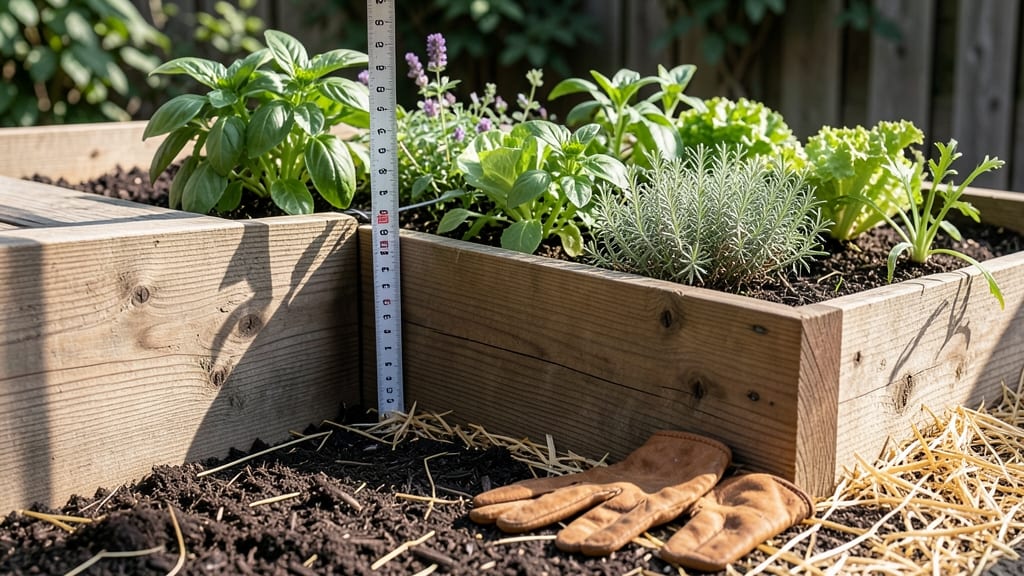
Determining the ideal garden bed height means aiming for 6 to 12 inches, which optimizes root development, drainage, and soil aeration while preventing compaction and erosion. This standard works universally for vegetables, herbs, and flowers in both raised and in-ground beds.
This height range isn't arbitrary—it reflects how plants naturally grow. 6 inches provides enough depth for most annuals and shallow-rooted plants, while 12 inches accommodates deeper-rooted vegetables like carrots or tomatoes.
The extra space also prevents soil from becoming waterlogged, which can suffocate roots. 🌱 I've found that deeper beds (12+ inches) are worth considering only for perennials or trees, where extensive root systems demand more vertical space.
What's fascinating is how this height affects soil health. The top 6 inches contain the most organic matter and microbial activity, while deeper layers provide stability and moisture storage.
For raised beds, this means you can use lighter, more fertile soil mixes without worrying about compaction—just be mindful of how quickly they dry out in hot climates.
💡 In This Article
- How Raised Garden Bed Height Affects Plant Root Development
- Choosing the Right Garden Bed Height for Different Plants
How raised garden bed height affects plant root development
The 6-12 inch height range isn't just a random measurement—it's a perfect balance between root space and soil physics. At this depth, plant roots encounter the ideal combination of oxygen-rich upper soil and moisture-stable lower layers.
The top 4-6 inches contain the highest concentration of beneficial microbes and organic matter, while the deeper layers provide structural support and water retention.
This stratification mimics natural soil profiles in forests, where tree roots thrive in the top 12 inches but rarely need to go deeper than 24 inches.
Oxygenation becomes critical here. Roots need air to respire, and compacted soil suffocates them. A 6-inch bed prevents this by allowing water to drain quickly while maintaining enough moisture. In contrast, deeper beds (18+ inches) can create anaerobic pockets where roots rot from lack of oxygen.
The 12-inch maximum also prevents soil from becoming too heavy—especially in clay-heavy areas—where waterlogging becomes a risk. 🌱 Think of it like a sponge: too shallow, and it dries out; too deep, and it stays soggy.
Nutrient distribution follows a predictable pattern. The top 2-3 inches contain the most nitrogen (critical for leafy growth), while deeper layers provide phosphorus and potassium for root development. This vertical nutrient gradient ensures plants get balanced nutrition without overloading any single layer.
For example, tomatoes—with roots that spread 18-24 inches wide—thrive in 12-inch beds because their lateral roots access the full nutrient profile while the vertical roots anchor securely.
Drainage mechanics change dramatically with height. A 6-inch bed drains 30-50% faster than a 12-inch one because water has less distance to travel. This is why raised beds excel in clay soils—they bypass the natural compaction layer.
However, in sandy soils, 6-inch beds may dry out too quickly, requiring more frequent watering. The 12-inch option provides that extra buffer, making it ideal for drought-prone areas or containers.
One common misconception is that deeper always means better. While 18-inch beds work for perennials like asparagus, they're unnecessary for most annuals. The extra depth adds weight (critical for stability) and cost (soil volume increases by 50% when going from 12 to 18 inches).
For vegetables, the 6-12 inch range covers 90% of rooting needs—carrots (deep roots) vs. lettuce (shallow roots) both thrive here.
Consider this real-world example: In my 10-inch raised beds, basil (shallow roots) grows alongside tomatoes (moderate depth), while the soil remains loose and well-drained. The key is matching bed height to plant needs—not exceeding them.
For herbs, 6 inches suffices; for root crops, 12 inches ensures full development without overworking the soil.