
Planting
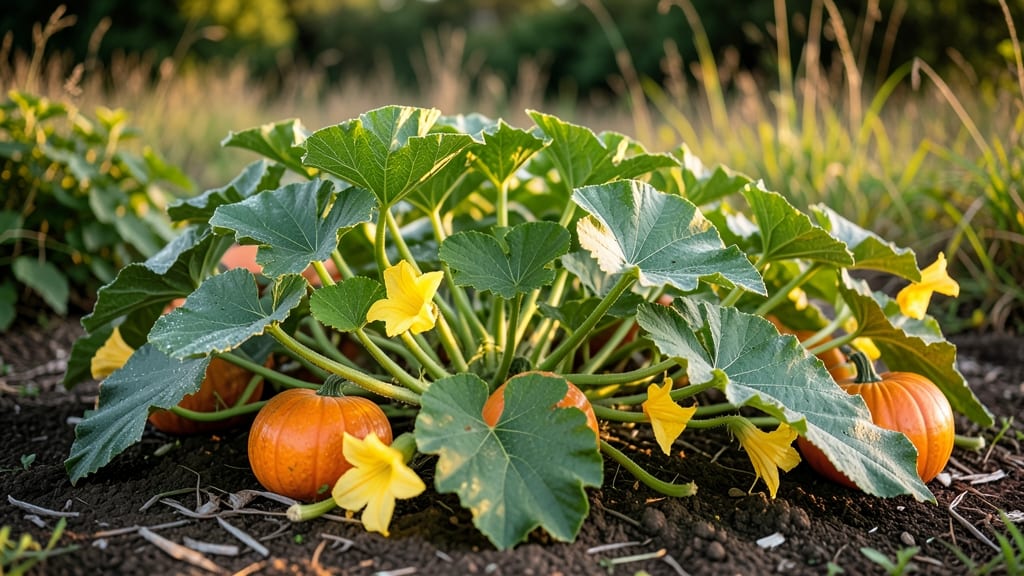
Pumpkin is not a nightshade plant—it belongs to the Cucurbitaceae family, which includes squash, melons, and cucumbers, not the Solanaceae family where true nightshades like tomatoes and peppers thrive.
Pumpkins are part of the Cucurbitaceae family, often called the gourd family, which is completely separate from the nightshade family (Solanaceae). 🌱 The confusion likely stems from how pumpkins grow—vining plants with large leaves—but their botanical classification and chemical makeup differ entirely.
Unlike nightshades, pumpkins don't contain solanine, a compound that can cause digestive upset in some people. This distinction matters for gardeners and chefs alike, especially when considering plant compatibility or dietary restrictions.
What's interesting is how this misconception persists even among experienced gardeners. Many people assume pumpkins share traits with tomatoes or eggplants because they're both common garden vegetables, but their growth habits and nutritional profiles vary widely.
For example, pumpkins thrive in cooler weather and are harvested for their seeds and flesh, while nightshades often prefer warmer climates and are prized for their fruits or leaves.
💡 In This Article
- Botanical Families: Pumpkin vs Nightshade Plants
- Common Garden Plants Mistaken for Nightshades
Botanical families: pumpkin vs nightshade plants
The key difference between pumpkins and nightshades lies in their scientific families. Pumpkins belong to the Cucurbitaceae family, which includes over 120 genera of plants like squash, melons, and cucumbers. These plants share distinct botanical features: large, lobed leaves, tendril-bearing vines, and fruits that develop from single ovaries.
The Cucurbitaceae family is part of the order Cucurbitales, which diverged from nightshades over 100 million years ago during plant evolution.
Nightshades, on the other hand, belong to the Solanaceae family, which includes tomatoes, peppers, eggplants, and potatoes. The defining trait of Solanaceae plants is their chemical composition—many contain solanine, a glycoalkaloid toxin that can cause gastrointestinal distress in high doses.
Pumpkins lack these compounds entirely. Their flesh contains high levels of beta-carotene (about 8,000 mcg per 100g) and fiber, while nightshades provide different nutrients like lycopene (in tomatoes) or capsaicin (in peppers).
Here's what happens when you compare their growth patterns: pumpkins grow on sprawling vines that can reach 20 feet long, while nightshades typically have bushier, more compact growth.
The pumpkin's large, rounded fruit develops from a single ovary, whereas nightshades like tomatoes form from multiple fused ovaries. 🌱 This structural difference explains why pumpkins are harvested for their thick rinds and seeds, while nightshades are often consumed for their softer, more delicate fruits.
The confusion often arises because both groups produce edible fruits and thrive in similar climates. However, their botanical families have distinct evolutionary paths. For example, the Cucurbitaceae family originated in tropical regions, while Solanaceae plants first appeared in South America.
This geographical divergence explains why pumpkins don't share nightshades' tropical heat tolerance or their tendency to produce toxic compounds as a natural defense mechanism.
What most people don't realize is how these classifications affect cultivation. Pumpkins require warm soil temperatures (above 70°F) to germinate and grow best in full sun with well-drained soil. Nightshades, meanwhile, can tolerate cooler temperatures and often grow well in containers.
The difference in growth requirements means you can't simply swap them in garden layouts without considering these botanical distinctions.
For gardeners and chefs, understanding these differences matters when planning companion planting or preparing dishes. For example, pumpkins don't compete with nightshades for nutrients, so they can coexist in the same garden bed without issues.
Meanwhile, the absence of solanine in pumpkins makes them a safer option for people with nightshade sensitivities, who might experience bloating or skin irritation from tomatoes or potatoes.