
Flowers
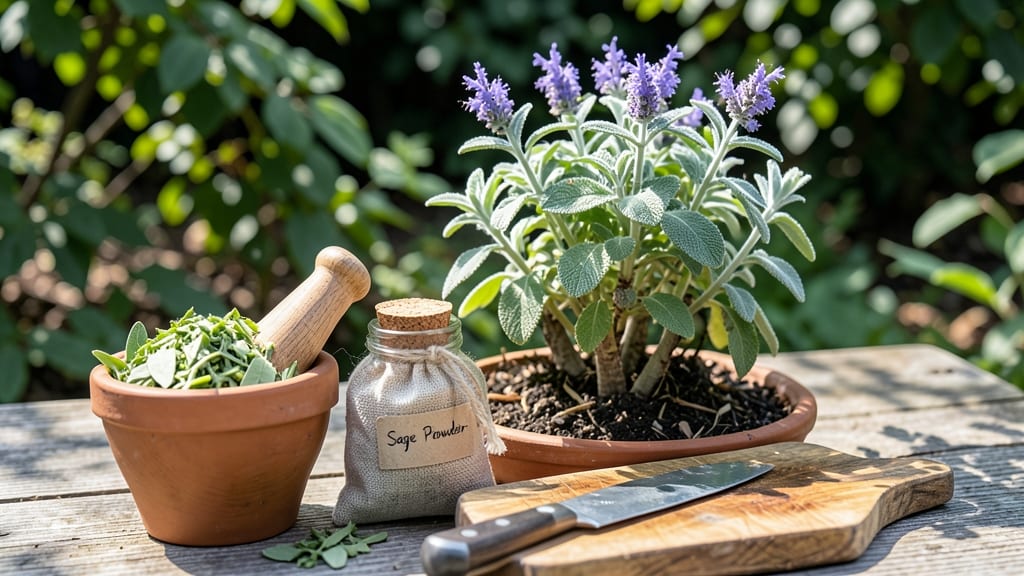
Rubbed sage and ground sage aren't the same: rubbed sage keeps its leaf structure intact, releasing flavor slowly, while ground sage is finely powdered for quick, concentrated seasoning. This difference changes how they work in recipes and gardening.
Rubbed sage preserves the leaf's natural oils and texture, creating a more nuanced flavor that develops over time. 🌿 This makes it perfect for dishes where you want sage to infuse gradually, like roasted chicken or stuffing.
Ground sage, on the other hand, delivers its flavor all at once, which works better for baked goods or quick marinades where you need immediate seasoning.
The texture difference also matters—rubbed sage adds visual appeal with its leaf pieces, while ground sage blends seamlessly into mixtures. If you're using rubbed sage in cooking, you'll often find it releases its aroma as it cooks, enhancing the dish's depth over time.
💡 In This Article
- How Rubbing Sage Creates Unique Flavor and Texture
- Best Uses for Rubbed Sage vs Ground Sage in Cooking
How rubbing sage creates unique flavor and texture
The process of creating rubbed sage begins with fresh, dried sage leaves that are gently crushed between fingers or rubbed against a textured surface. This action ruptures the leaf's cell walls, releasing essential oils like thujone and camphor while preserving the leaf's structural integrity.
Unlike ground sage, which is pulverized into fine particles, rubbed sage maintains its leaf pieces—typically 1/8 to 1/4-inch in size—allowing for a more controlled flavor release during cooking.
This mechanical difference directly impacts texture and aroma. Rubbed sage's leaf pieces create a visually appealing, slightly coarse surface in dishes, while their intact structure means oils evaporate more slowly when exposed to heat.
Ground sage, with its 0.5mm or finer particle size, disperses instantly, delivering a more concentrated punch upfront. For example, rubbed sage in stuffing releases its piney, earthy notes over 30-45 minutes of baking, while ground sage would dominate immediately.
The science behind this lies in surface area and volatility. Rubbed sage's larger pieces have less surface area exposed to air, slowing oxidation—the chemical process that degrades volatile oils. Ground sage's tiny particles maximize surface area, causing rapid oxidation and flavor loss if not used promptly.
This is why rubbed sage maintains its aroma for up to 6 months when stored properly, while ground sage loses potency within 3-4 months.
Consider how this plays out in cooking: when you add rubbed sage to roasting chicken, the leaves crisp slightly at 375°F, creating aromatic smoke that clings to the meat.
Ground sage would burn before developing this complexity. The leaf structure also traps moisture, preventing dryness in dishes like sausage stuffing where rubbed sage helps retain juices during baking.
For gardeners, rubbed sage's intact leaves make it ideal for creating homemade pest-repellent sprays. The leaf structure allows for better suspension in water, while the concentrated oils remain potent.
Ground sage, however, would clump and settle quickly, reducing effectiveness. This structural advantage extends to culinary uses where you want both visual appeal and gradual flavor infusion.
The key takeaway is that rubbing sage preserves its natural characteristics—texture, aroma, and slow-release flavor—while grinding destroys these qualities for immediate seasoning. This fundamental difference explains why they can't be used interchangeably in recipes where timing and texture matter.