
Shrubs
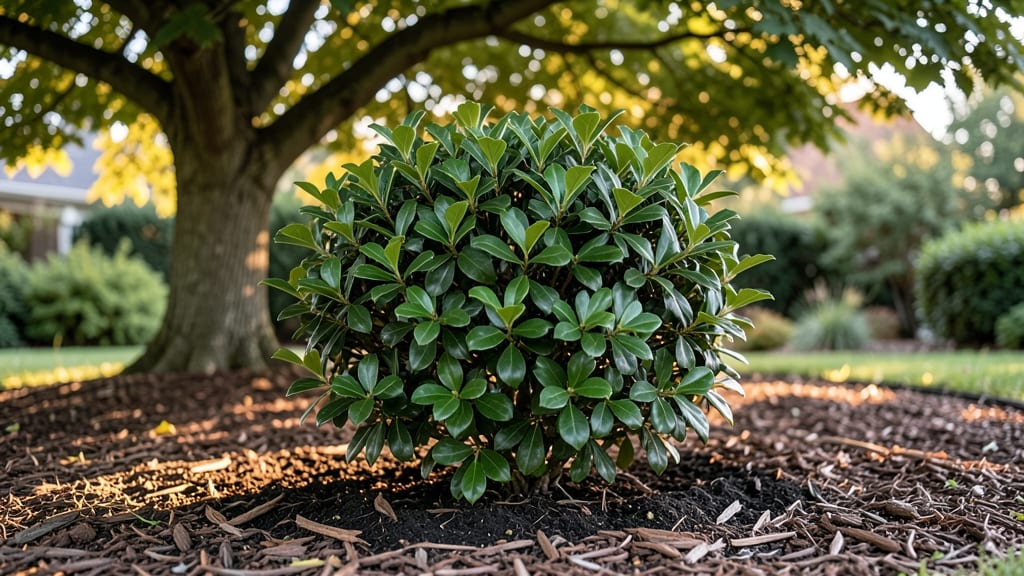
Japanese holly thrives in shade where many plants struggle to survive. 🌿 I’ve grown this tough evergreen for years, and its glossy leaves and dense growth make it the perfect shade-loving shrub for hedges, borders, or privacy screens—without needing harsh sunlight.
The secret to its success? A mix of well-draining soil, consistent moisture, and patient pruning. Unlike sun-loving hollies, Japanese holly tolerates partial to full shade, making it ideal for under trees or north-facing yards. Just avoid soggy soil, and it’ll reward you with vibrant, year-round greenery.
You’ll love how effortlessly it fills space while resisting pests and diseases better than fussy alternatives. With the right care, it grows 3–6 feet tall and wide, creating lush, impenetrable barriers that stay green even in winter.
Whether you’re lining a driveway or adding texture to a shady garden, this holly delivers low-maintenance beauty with minimal fuss. Let’s get it growing right!
📚 In This Guide
- What you need
- Instructions
- Tips and common mistakes
- Wrapping up and next steps
What you need
- ● Japanese holly plants: 1–3 nursery-grown Ilex crenata (choose compact varieties like 'Green Lustre' or 'Sky Pencil' for tight spaces).
- ● Ensure plants are 3–5 feet tall (mature height varies by cultivar).
- ● Soil amendments: 2–3 gallons of peat moss or compost (to improve drainage and fertility).
- ● 1–2 cups of slow-release fertilizer (10-10-10 or acidic formula, pH 5.0–6.5).
- ● Mulch: 3–4 inches of pine bark or wood chips (retains moisture and mimics natural forest floor).
- ● Tools: 1 shovel or spade (for digging).
- ● 1 pruning shears (sterilized, for shaping).
- ● 1 garden hose or watering can (with a fine rose attachment).
- ● 1 measuring tape (to space plants 4–6 feet apart).
- ● Epsom salt (1 tbsp/month in water) for magnesium boost (especially for yellowing leaves).
- ● Slow-release acid-loving plant fertilizer (e.g., Miracle-Gro Azalea/Camellia).
- ● Landscape fabric (to suppress weeds around mulch).
- ● Garden gloves (to protect hands from thorns!).
- ● Plant tags or labels (to track varieties if mixing cultivars).
Step-by-Step guide to planting Japanese holly for shade
This shade-loving evergreen delivers year-round privacy with minimal fuss—here’s how to plant it right.
🌱 Step 1: Choose the Perfect Planting Spot
Japanese holly (Ilex crenata) thrives in partial to full shade, making it ideal for north-facing walls, dense woodland edges, or under taller trees. Look for areas where other plants struggle—this holly handles 20-50% sunlight without losing its lush, glossy foliage. I always test the spot first by observing how much light reaches it throughout the day, especially in winter when shade patterns shift.
Well-draining soil is critical—this plant hates soggy roots. If your soil stays wet for more than 24 hours after rain, amend with 2-3 inches of compost mixed into the top 12 inches of soil. A slight slope (even 5 degrees) helps excess water drain away. Avoid planting in low-lying areas where cold air pools in winter.
🪴 Step 2: Dig and Prepare the Planting Hole
Dig a hole twice as wide as the root ball but only as deep—never deeper, or the plant will suffocate. Japanese holly roots spread horizontally, so generous width encourages strong establishment. I like to loosen the sides of the hole with a garden fork to reduce soil compaction around the roots.
Remove the plant from its container and tease apart any circling roots with your fingers. If the root ball is tightly bound, score the bottom with a sharp knife to encourage outward growth. Place the plant in the hole so the top of the root ball sits level with the surrounding soil—burying too deep smothers the stem, while planting too high leaves roots exposed.
💧 Step 3: Backfill and Water Deeply
Fill the hole with native soil, pressing gently to eliminate air pockets but avoiding compaction. I mix in a handful of slow-release fertilizer (5-10-5 ratio) into the backfill to give the holly a nutrient boost without burning tender roots. Water immediately after planting to settle the soil and eliminate gaps.
Give the plant 1-2 gallons of water—enough to soak the root zone to a depth of 12 inches. You’ll know it’s right when water runs out the drainage holes if planted in a container, or when the soil feels uniformly damp 3 inches down. Mulch with 2-3 inches of shredded bark around the base, keeping it 3 inches away from the stem to prevent rot.
☀️ Step 4: Prune for Shape and Health
Japanese holly responds well to light pruning, especially after planting. Use clean, sharp bypass pruners to trim any broken branches or those growing at sharp angles. I also remove 1/3 of the oldest stems at ground level to encourage bushier regrowth—this plant naturally layers itself over time, creating a dense, impenetrable hedge.
Prune in late winter or early spring before new growth begins. Avoid heavy pruning in fall, as it stimulates tender shoots that may not harden off before frost. Shape the plant by cutting just above a leaf bud, angled slightly away from the stem. Wear gloves—those tiny leaves pack a prickly punch!
⏰ Step 5: Maintain Through the Seasons
Japanese holly is low-maintenance, but watering in the first year is key. Check soil moisture weekly—if the top 2 inches feel dry, water deeply. Once established, it tolerates drought but looks best with consistent moisture. Fertilize lightly in early spring with a balanced 10-10-10 formula, applying ½ pound per 100 square feet of coverage.
Watch for spider mites in hot, dry summers—their webbing on undersides of leaves is a dead giveaway. Spray with neem oil if you spot them, and keep the area under the plant clear of debris to prevent fungal issues. With proper care, your holly will grow 12-24 inches per year, forming a 6-8 foot tall, 4-6 foot wide privacy screen in 3-5 years.
Tips & tricks for perfect Japanese holly planting
Here's what nobody tells you about getting your Japanese holly to thrive from day one.
Soil Test First: Before amending your soil, test its drainage by digging a small hole and filling it with water. If it drains within 30 minutes, your soil is suitable. If water pools after 24 hours (as mentioned in Step 1), you'll definitely need that 2-3 inches of compost. I always test multiple spots to find the perfect balance between moisture retention and drainage.
Root Ball Prep: When removing the plant from its container in Step 2, gently squeeze the root ball to check for compacted edges. If you find tightly bound roots, use a sharp knife to make 2-3 vertical cuts around the perimeter—this mimics natural root growth and helps establish the plant faster. Just be careful not to damage the main stem.
Watering Wisdom: The 1-2 gallons of water in Step 3 should be room temperature to avoid shocking the roots. I use a watering can with a narrow spout to direct water slowly to the root zone, which prevents runoff. After watering, check that soil is damp 3 inches down—this tells you the water reached deep enough to encourage strong root growth.
Pruning Precision: When removing 1/3 of the oldest stems in Step 4, focus on the largest, thickest stems at ground level. These are the ones that have outlived their usefulness and are now competing with new growth. Cut cleanly just above a leaf bud using sharp bypass pruners—this ensures a smooth cut that heals quickly and promotes healthy regrowth.
Pro Tips for Japanese Holly For Shade
- Here's what nobody tells you about getting your Japanese holly to thrive from day one.
- Soil Test First: Before amending your soil, test its drainage by digging a small hole and filling it with water.
- Root Ball Prep: When removing the plant from its container in Step 2, gently squeeze the root ball to check for compacted edges.
Frequently asked questions
about using Japanese Holly (Ilex crenata) for shade can help you make the best choices for your garden. Here are some common queries answered!How fast does Japanese Holly grow in shady areas?
Japanese Holly grows moderately slow—about 12 inches per year—even in shade. While it won’t provide instant privacy, its dense, glossy foliage creates a lush backdrop over time. For faster results, plant multiple shrubs close together or opt for a slightly larger specimen at planting.
Does Japanese Holly need extra water in shady spots?
Yes! While it tolerates shade, Japanese Holly prefers consistently moist soil. In low-light areas, water deeply once or twice a week during dry spells. Mulching with 2–3 inches of organic matter (like shredded bark) helps retain moisture and protect roots.
Can Japanese Holly survive winter in shaded gardens?
This evergreen thrives in USDA Zones 5–8 and handles winter well, even in shade. However, young plants may need winter mulch (4–6 inches of straw or leaves) to shield roots from freezing. Prune in late winter to encourage fresh growth.
What are good alternatives if Japanese Holly struggles in my shade?
If your shade is too dense, consider these hardy evergreens:
- Dwarf Yew (Taxus spp.) – Tolerates deep shade and stays compact.
- Inkberry Holly (Ilex glabra) – Thrives in wet, shady soils.
- Leucothoe (Dog Hobble) – Loves shade and has striking foliage.
- Pieris Japonica (Andromeda) – Blooms in shade and stays evergreen.
Why are my Japanese Holly leaves turning yellow in shade?
Yellowing leaves often signal overwatering, poor drainage, or nutrient deficiencies. Ensure soil drains well (amend with compost if needed) and fertilize lightly in spring with an acidic, slow-release fertilizer. If pests (like spider mites) are present, spray with neem oil.
Wrapping up and next steps
Japanese holly is a fantastic choice for adding evergreen privacy and beauty to shady spots in your garden—it’s hardy, adaptable, and thrives where other plants struggle. With its glossy leaves, striking berries, and low-maintenance nature, it’s perfect for creating a lush, year-round screen without sacrificing sunlight. 🌿
Ready to transform your shady garden? Start by selecting the right variety for your space—whether it’s Ilex crenata ‘Green Lustre’ for dense hedges or Ilex crenata ‘Soft Touch’ for a softer look.
Grab your gloves, mark your planting spots, and get growing! Your future self (and your neighbors) will thank you.