
Tools
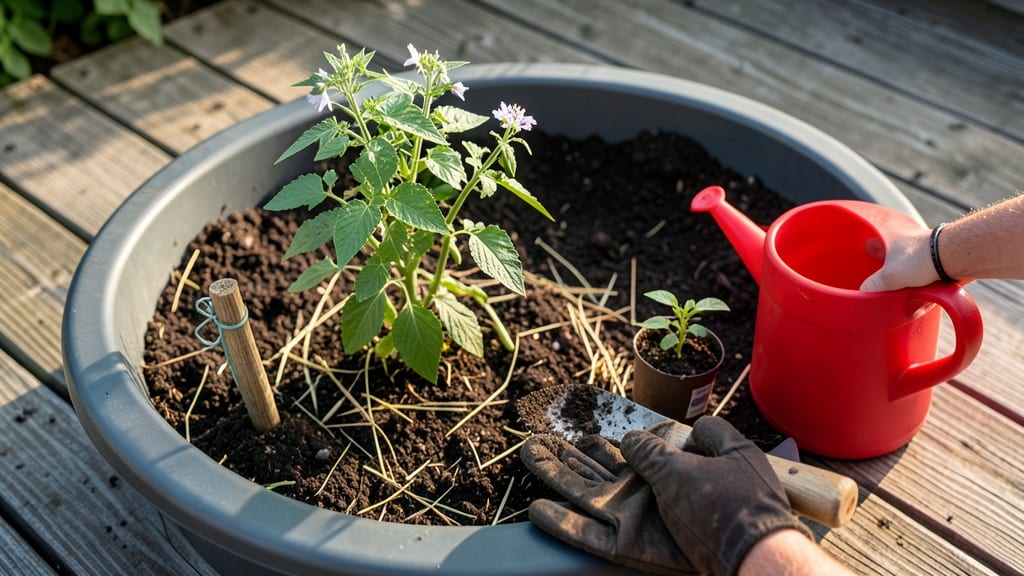
A kiddie pool raised bed garden turns forgotten plastic into a productive growing space that actually fits your yard. 🌱 I started with a 12-foot pool I found at a garage sale for $10—now it’s my most efficient growing zone, packed with herbs, lettuce, and cherry tomatoes in a fraction of the space a traditional bed would need.
The key is treating it like a no-dig planter: line the bottom with landscape fabric to prevent soil loss, drill drainage holes, and fill with a lightweight mix of compost and topsoil. My pool stays elevated on cinder blocks for airflow underneath, and the rounded edges make weeding a breeze.
No more bending over for hours—just reach in and harvest. By summer, you’ll have a lush little oasis producing more than you expected, all while keeping your garden tidy and contained. The best part?
It’s neighbor-approved—no one questions the giant plastic bowl in your backyard once they see the bounty. Works for patios, balconies, or even rooftop gardens. Here’s how to set yours up without breaking the bank or your back.
📚 In This Guide
- What you need
- Instructions
- Tips and common mistakes
- Wrapping up and next steps
What you need
- ● Kiddie pool: 1 (preferably 3–4 feet in diameter; plastic or resin works best). Pro tip: 💡 Choose one with sturdy sides and drainage holes.
- ● Garden fabric or landscape cloth: 1 roll (to line the bottom and prevent weeds/soil loss).
- ● Garden soil: 1–2 bags (high-quality potting mix or a blend of topsoil + compost, ~1 cubic foot per pool).
- ● Drainage layer: 1 bag of gravel or pebbles (2–3 inches deep, for water runoff).
- ○ Waterproof liner (optional): 1 sheet (if your pool lacks drainage holes; use pond liner or heavy-duty plastic).
- ● Garden stakes or trellis: 2–4 (for climbing plants like cucumbers or beans).
- ● Basic gardening tools: Garden trowel or hand shovel
- ● Gloves
- ● Watering can or hose with spray nozzle
- ● Mulch: Straw or wood chips (to retain moisture and suppress weeds).
- ● Slow-release fertilizer: Granular or organic pellets (follow package instructions).
- ● Self-watering kit: A DIY drip system or wicking bed setup (for low-maintenance watering).
- ● Solar-powered lights: 1–2 (to illuminate your garden at night).
- ● Paint or decals: For personalizing your pool planter (fun for kids or urban decor!).
Step-by-Step instructions for building a kiddie pool raised bed garden
Turn that empty plastic pool into a thriving garden with these simple, space-saving steps.
🪴 Step 1: Clean and Prepare the Kiddie Pool
Start by thoroughly cleaning the pool with warm, soapy water to remove any dirt, algae, or debris. A stiff brush helps scrub stubborn spots, and I like to rinse it with a hose afterward. Drain all water completely and let it dry in the sun for a few hours—this prevents mold and ensures a fresh start.
Flip the pool upside down if it has a dark interior, as sunlight can overheat the roots. Check for cracks or sharp edges along the rim and smooth them with sandpaper or a file. This makes it safer for little hands and prevents fabric or mulch from snagging later.
🌱 Step 2: Line and Fill with Quality Soil
Cut a piece of landscape fabric to fit the pool’s base, leaving a 2-inch overhang on all sides. This prevents weeds from creeping up from below and keeps soil from washing out. Secure it with landscape staples or rocks along the edges.
Fill the pool with a mix of 60% high-quality potting soil and 40% compost—this gives plants the nutrients they need without being too dense. I like to add a 1-inch layer of coarse sand at the bottom first for drainage, especially if your pool doesn’t have drainage holes. Fill to 2 inches below the rim to avoid spills during watering.
☀️ Step 3: Choose and Plant Compact Varieties
For a kiddie pool raised bed, focus on bush varieties of vegetables, herbs, and flowers that stay small but productive. Cherry tomatoes, lettuce, radishes, and dwarf peppers thrive in tight spaces. I plant mine in a grid pattern, spacing them 6-12 inches apart depending on the plant’s mature size.
Dig holes just deep enough to cover the roots but not bury the stems. Water each plant gently after placing it in the soil to help settle the roots. A light mulch of straw or shredded leaves on top keeps moisture in and weeds out—just avoid piling it against stems.
💧 Step 4: Water and Maintain for Consistent Growth
Water deeply 2-3 times per week, checking that the soil feels moist but not soggy down to 2 inches deep. A kiddie pool garden dries out faster than ground-level beds, so I water in the early morning to reduce evaporation. Avoid overhead watering after planting to prevent soil erosion.
Fertilize lightly every 4-6 weeks with a balanced, slow-release fertilizer. Too much can burn tender roots, so I stick to half the recommended dose for container gardens. Watch for pests like aphids or slugs—handpick them early or use neem oil for a natural solution.
✂️ Step 5: Harvest and Extend the Season
Harvest leaves and small crops like lettuce or radishes by pinching off outer leaves or pulling whole plants. For tomatoes or peppers, wait until they’re fully colored and firm. I always harvest in the morning when flavors are at their peak.
To extend the season, cover the pool with frost cloth in fall or use it as a winter greenhouse by adding a clear plastic dome. With a little care, your kiddie pool garden can keep producing well into cooler months—just adjust watering and protect from heavy winds.
Tips & tricks for perfect kiddie pool raised bed gardens
Transforming a kiddie pool into a productive garden is easier than you think—here's what I've learned to make it thrive.
Drainage is Everything: If your pool doesn't have drainage holes, create your own by drilling small holes along the bottom edges before filling with soil. I use a 1/4-inch drill bit for perfect drainage without letting soil wash out. This prevents waterlogging, which can drown roots and invite pests. The 1-inch sand layer you add in Step 2 works wonders for this—just make sure it's coarse sand, not fine playground sand.
Soil Mix Matters: The 60-40 potting soil to compost ratio is ideal, but don't skimp on quality. I always buy organic potting mix and add worm castings to the compost for extra nutrients. For containers, organic matter breaks down faster, so I mix in a handful of slow-release fertilizer granules when filling the pool. This gives plants a steady nutrient supply without overloading them.
Plant Placement Pro Tip: When arranging your compact varieties in Step 3, place taller plants like cherry tomatoes along the outer edge of the pool. This prevents them from shading shorter plants in the center. I also group plants with similar water needs together—like lettuce and radishes—to make watering more efficient. The grid pattern helps too, making it easy to visualize spacing and avoid overcrowding.
Watering Wisdom: The 2-3 times per week guideline works for most climates, but adjust based on your weather. I test soil moisture by sticking my finger 2 inches deep—if it feels dry, it's time to water. For hot days, I water in the early morning AND late evening to reduce evaporation. A drip irrigation system works perfectly for kiddie pool gardens, delivering water right at the roots without disturbing the soil.
Pro Tips for Kiddie Pool Raised Bed Garden
- Transforming a kiddie pool into a productive garden is easier than you think—here's what I've learned to make it thrive.
- Drainage is Everything: If your pool doesn't have drainage holes, create your own by drilling small holes along the bottom edges before filling with soil.
- Soil Mix Matters: The 60-40 potting soil to compost ratio is ideal, but don't skimp on quality.
Frequently asked questions
Got questions about turning a kiddie pool into a thriving raised bed garden? You’re not alone! Here are some of the most common queries—and straightforward answers—to help you get growing with confidence.
How deep should the kiddie pool raised bed be for vegetables?
A standard kiddie pool (about 12–18 inches deep) works great for most veggies like lettuce, herbs, and radishes. For deeper-rooted plants like tomatoes or carrots, opt for a deeper pool (24+ inches) or add a layer of compost or soil mix to boost depth. Pro tip: If your pool is shallow, use containers or pockets inside to elevate roots!
When is the best time to plant in a kiddie pool garden?
Timing depends on your climate! In cooler regions, start seeds indoors 6–8 weeks before the last frost, then transplant after danger of frost has passed. In warmer areas, plant heat-loving crops (like peppers or beans) after soil temps hit 60°F+. Quick tip: Use a soil thermometer to check—it’s your secret weapon for success!
How do I keep weeds from taking over my kiddie pool garden?
Weeds love shallow soil, so mulch is your best friend! Spread 2–3 inches of straw, wood chips, or shredded leaves around plants (but avoid piling mulch against stems). For extra defense, use landscape fabric under the soil layer or plant densely to block sunlight. Bonus: A quick weekly weeding session keeps things manageable!
What’s the easiest way to deal with pests in a kiddie pool garden?
Prevention is key! Start with healthy soil (rich in compost) to boost plant resilience. For pests like aphids or slugs, try organic sprays (neem oil or soapy water) or introduce beneficial insects (ladybugs or nematodes). Quick fix: Handpick pests early in the morning when they’re sluggish—it’s oddly satisfying!
Can I reuse a kiddie pool garden after one season?
Drain, clean, and refresh the soil with a 2–3 inch layer of compost or aged manure before replanting. Rotate crops yearly to prevent soil-borne diseases. Pro move: Disinfect the pool with a 10% bleach solution (rinse well!) if you notice mold or pests lingering.
What are some easy, high-yield crops for beginners?
Start with fast-growing, low-maintenance picks like:
- Leafy greens: Lettuce, spinach, or kale (harvest in 30–50 days)
- Herbs: Basil, cilantro, or parsley (cut-and-come-again!)
- Radishes: Ready in 25–30 days—perfect for quick wins!
- Cherry tomatoes: Compact varieties thrive in pools (stake or cage them!)
Wrapping up and next steps
Transforming a kiddie pool into a raised bed garden is a brilliant way to maximize small spaces while enjoying fresh, homegrown produce! 🌱 With minimal effort and creativity, you’ve got a functional, space-saving planter that’s perfect for urban gardening.
Whether you’re a beginner or a seasoned green thumb, this project proves that big harvests don’t require big yards—just big ideas!
Ready to get growing? Start by gathering your supplies, then dive in and turn that empty pool into a thriving garden. Happy planting—and may your urban harvest be bountiful! 🌿