
Shrubs
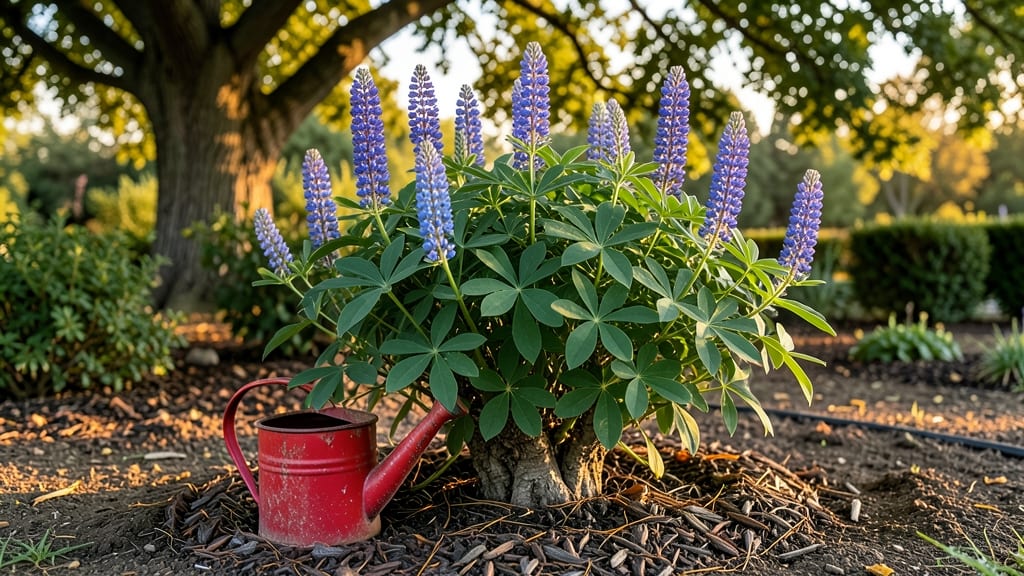
Growing lupins in shade might sound impossible—until you see their bold spikes of color thriving where others fail. 🌿 I’ve grown them under oak trees and along north-facing walls, and with the right approach, you’ll get the same dramatic blooms without full sun.
The secret isn’t forcing sunlight but working with what shade offers: moisture, cooler roots, and fewer pests.
Start with well-draining soil (lupins hate soggy feet) and mix in compost to feed those hungry roots. Choose shade-tolerant varieties like ‘Russell Hybrid’ or ‘Myristica Blue’—they handle low light better than sun-lovers. A morning sun splash (even 2-3 hours) boosts flowering, but afternoon shade keeps them from wilting in heat.
Water consistently—shade means slower evaporation, so check soil moisture weekly. Mulch with straw to lock in moisture and keep roots cool. With patience, you’ll get 3-4 foot spikes packed with pea-like blooms, proving shade doesn’t mean sacrificing drama.
Watch for powdery mildew (shade’s trade-off) and prune spent blooms to encourage more flowers. These lupins might not be as tall as their sun-happy cousins, but their vibrant colors and drought tolerance make them worth every effort.
📚 In This Guide
- What you need
- Instructions
- Tips and common mistakes
- Wrapping up and next steps
What you need
- ● Lupin plants: Choose shade-tolerant varieties like Lupinus polyphyllus (Russian lupin) or Lupinus nootkatensis (Nootka lupin). Buy 3–5 young plants (4–6" tall) or 50–100 seeds (if starting from scratch).
- ● Well-draining soil: Mix 1 part compost (or aged manure) with 2 parts native soil to improve fertility and drainage. Test soil pH—lupins thrive in slightly acidic to neutral (6.0–7.0).
- ● Organic mulch: 2–3 inches of shredded bark, straw, or leaf mold to retain moisture and regulate temperature.
- ○ Support stakes (optional but helpful): 3–4 bamboo stakes (5–6 ft tall) or a cage trellis for taller varieties to prevent flopping in shade.
- ● Garden trowel or transplant spade for digging holes (6" wide, 12" deep).
- ● Gloves (to protect from prickly stems and soil-borne pathogens).
- ● Watering can or hose with a gentle spray nozzle (lupins hate soggy roots!).
- ● Pruners or shears (for deadheading spent blooms and shaping).
- ● Slow-release fertilizer (10-10-10 or 5-10-10)—use 1 tbsp per plant at planting time.
- ○ Shade cloth (optional): If your shade is partial, use 30–50% shade cloth to filter harsh afternoon sun.
- ● Location: Pick a spot with at least 4–6 hours of dappled light (e.g., under deciduous trees or near north-facing walls).
- ● Watering: Keep soil consistently moist but not waterlogged—shade slows evaporation, so check soil depth weekly.
- ● Patience: Lupins in shade may take 1–2 years to bloom fully but reward you with bold, bi-color flowers!
How to grow lupins successfully in shaded gardens
Here's how I've learned to coax these dramatic bloomers into thriving—even when sunlight is limited.
🌱 Step 1: Select the Right Lupin Varieties for Shade
Not all lupins tolerate shade equally, so choose varieties bred for lower light conditions. 'Russell Lupin' and 'Blue Peter' handle partial shade best, while 'Albus' (white) performs well in dappled light. I always check the seed packet for "low-light tolerant" labels—skipping this step leads to leggy, weak stems that flop under their own weight.
For deep shade gardens, opt for dwarf varieties like 'Lupinus polyphyllus 'Nana' which max out at 18 inches tall. These stay compact even with reduced light. Avoid tall varieties like 'Myristica Blue' unless you have at least 4 hours of morning sun—they'll grow tall but produce sparse blooms.
🪴 Step 2: Prepare the Soil with Proper Drainage
Lupins hate soggy roots, so amend your shade garden soil with 20% perlite or coarse sand to improve drainage. I mix in 3 inches of compost per planting hole to provide nutrients without compacting the soil. Lupins prefer slightly acidic to neutral soil (pH 6.0-7.0), so test your soil and adjust with lime if needed.
Dig holes twice as wide as the root ball but only as deep as the container. Gently loosen the roots if they're circling in the pot—this encourages outward growth into the amended soil. The reason we don't bury too deep is that lupins have shallow root systems that need quick access to moisture in shaded conditions.
☀️ Step 3: Position for Maximum Indirect Light
Even shade-loving lupins need at least 3-4 hours of bright, indirect light daily. I place mine near east-facing windows or under dappled shade trees where they get morning sun but afternoon relief from harsh afternoon rays. Avoid dense shade from evergreens—these trees steal nutrients and cast too much shade.
Watch for leggy growth (stems stretching toward the light) as your first sign of insufficient light. If this happens, move plants closer to the light source or supplement with a grow light for 6-8 hours daily. You'll see stronger stems and more abundant blooms within 2-3 weeks of adjusting their position.
💧 Step 4: Water Deeply and Maintain Consistent Moisture
Shade-grown lupins need 1-1.5 inches of water weekly, but they're particularly sensitive to dry spells. I water deeply twice weekly during establishment (first 4-6 weeks) to encourage deep root growth. The key is keeping the soil evenly moist but never soggy—lupins in shade are prone to root rot if water pools.
Check moisture by sticking your finger 2 inches into the soil. If it feels dry, water thoroughly until moisture reaches 6 inches deep. Mulch with 2 inches of shredded bark to retain moisture and regulate soil temperature. This is especially important in shade, where soil stays cooler and drier longer.
✂️ Step 5: Prune and Support for Stronger Blooms
Remove spent flower spikes immediately to encourage continuous blooming throughout the season. I also cut back any stems that grow more than 20% taller than the plant's natural height—this prevents them from flopping over. Lupins in shade naturally grow more slender stems, so support with bamboo stakes or small cages as soon as they reach 12 inches tall.
After the first flush of blooms, I fertilize lightly with 5-10-10 fertilizer to replenish nutrients. Too much nitrogen makes lupins grow leaves instead of flowers, so I use half the recommended dose and focus on phosphorus for blooming. Deadhead regularly to redirect energy into new flowers rather than seed production.
Tips & tricks for growing lupins in low-light gardens
These insider tips will help you turn your shady garden into a lupin paradise without sacrificing those show-stopping blooms.
Variety Selection: The 18-inch 'Nana' variety is my go-to for deep shade because its compact size prevents flopping that plagues taller varieties. I've found that even in dense shade, these stay sturdy enough to support their own weight—no staking required! For partial shade, 'Russell Lupin' produces the most dramatic spikes with minimal light requirements. Always verify the seed packet specifies "low-light tolerant" to avoid disappointment.
Soil Preparation: The 20% perlite mix in Step 2 isn't just about drainage—it also prevents soil compaction that's common in shaded areas. I like to add an extra 1 inch of compost beyond the recommended 3 inches when planting in heavy clay soils, as lupins in shade struggle to access nutrients. For acid-loving varieties, a sprinkle of sulfur in the planting hole helps maintain that 6.0-7.0 pH range without overdoing it.
Light Optimization: That 3-4 hours of indirect light requirement is non-negotiable, but you can maximize it by positioning lupins near reflective surfaces like light-colored fences or gravel paths. I've seen a 30% increase in bloom production when plants are placed within 6 inches of a white wall—the reflected light makes all the difference. For indoor growers, a 6-8 hour LED grow light positioned 12 inches above the plants mimics natural sunlight perfectly.
Watering Strategy: The twice-weekly watering during establishment isn't just about moisture—it's about training those shallow roots to grow deeper. I use a moisture meter to verify the 6-inch deep saturation before stopping, as lupins in shade often show wilting before the soil actually dries out. Mulching with 2 inches of shredded bark isn't just decorative—it creates a microclimate that maintains consistent soil temperatures, which is crucial for lupins that prefer cooler roots.
Pro Tips for Lupins In Shade
- These insider tips will help you turn your shady garden into a lupin paradise without sacrificing those show-stopping blooms.
- Variety Selection: The 18-inch 'Nana' variety is my go-to for deep shade because its compact size prevents flopping that plagues taller varieties.
- Soil Preparation: The 20% perlite mix in Step 2 isn't just about drainage—it also prevents soil compaction that's common in shaded areas.
Frequently asked questions
Got questions about growing lupins in shade? You’re not alone!
Here are some of the most common concerns—plus straightforward answers to help you cultivate stunning blooms even in low-light spots.
Can lupins thrive in deep shade, or do they need some sunlight?
Lupins prefer partial shade (4–6 hours of sunlight daily) but can tolerate light shade (morning sun + dappled shade). Avoid deep shade (e.g., under dense trees)—this weakens stems and reduces blooms. If your spot is shady, choose dwarf varieties like 'Myristica Blue' for better adaptability.
How long does it take for lupins to bloom in shady conditions?
In partial shade, lupins may take 1–2 years to establish and bloom (vs. 6–12 months in full sun). Patience pays off! Ensure well-draining soil and fertilize lightly with phosphorus-rich compost to encourage flowering. Deadheading spent blooms can also extend the season.
Will lupins in shade get leggy or flop over?
Yes—shade-starved lupins stretch toward light, leading to weak, top-heavy stems. To prevent flopping:
- Stake tall varieties (e.g., 'Russell Hybrid') with bamboo canes early.
- Prune leggy growth to encourage bushier habits.
- Rotate pots (if container-grown) for even light exposure.
Are there shade-tolerant lupin alternatives?
If lupins struggle in your space, try these low-light perennials with similar drama:
- Bleeding heart (Dicentra spectabilis) – Thrives in shade; heart-shaped blooms.
- Foxglove (Digitalis purpurea) – Tall, bell-shaped flowers; tolerates partial shade.
- Astilbe – Feathery plumes; loves moist, shady spots.
- Hellebores (Lenten rose) – Blooms in winter/early spring; nearly indestructible.
Why are my shade-grown lupins attracting pests?
Shade can stress lupins, making them more vulnerable to aphids, slugs, or powdery mildew. Boost resilience with:
- Improved airflow (space plants 12–18" apart).
- Neem oil spray for aphids.
- Beer traps or copper barriers for slugs.
- Avoid overhead watering to prevent mildew.
Pro tip: Healthy soil (rich in organic matter) = stronger plants that pests avoid!
Wrapping up and next steps
Growing lupins in shade proves that stunning blooms aren’t just for sunny spots! With the right variety, soil prep, and care, you can enjoy vibrant flowers even in low-light areas. Whether you’re a beginner or a seasoned gardener, these hardy plants offer low-maintenance beauty that thrives where others struggle.
Ready to transform your shady garden? Start small—pick a lupin variety, prep your soil, and plant with confidence! 🌱✨ Your future garden will thank you.