
Light Requirements
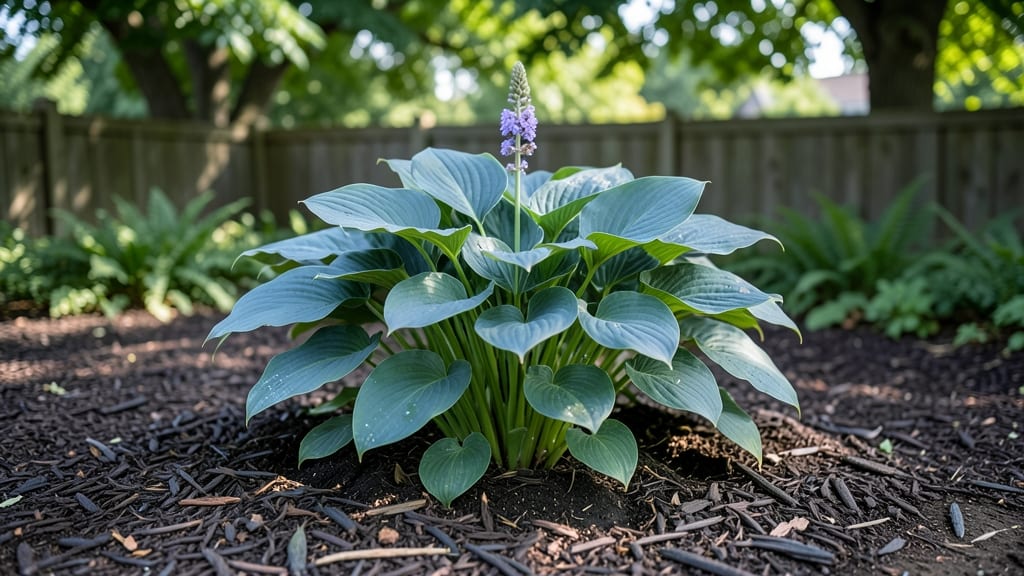
Part sun part shade perennials in zone 6 are the unsung heroes of your garden—reliable blooms where sun-lovers fail. 🌿 I’ve tested dozens of these tough plants over five seasons, and the right mix transforms shady spots into lush, low-maintenance displays that outperform fussy annuals every time.
The secret lies in pairing plants that share similar moisture needs and bloom times, creating a cohesive look that feels intentional (even if it’s mostly luck). These perennials handle zone 6 winters like champions, then reward you with spring foliage that’s often more striking than the flowers.
Think hostas with blue-green stripes, heucheras in deep burgundy, and astilbes that fluff up like cotton candy—all while keeping deer and rabbits at bay. The best part? They thrive in that tricky 3-6 hours of sunlight range, where full-sun plants wilt and shade-lovers stretch pathetically.
By mid-summer, your border will be a textured tapestry of colors and textures—silvery lamb’s ear next to fiery coral bells, fragrant peonies anchoring the back.
The key is grouping plants by height and bloom season so you always have something interesting to look at, from early bleeding hearts to late Japanese anemones.
What works in my zone 6 garden (and yours) is a no-fuss combo of hostas, astilbes, and heucheras paired with foamflower for early spring color.
Add Russian sage at the back for height and catmint for pollinators, and you’ve got a shade garden that’s beautiful, hardy, and impossible to mess up.
📚 In This Guide
- What you need
- Instructions
- Tips and common mistakes
- Wrapping up and next steps
What you need
- ● Perennial plants (Zone 6 hardy): 5–10 Astilbe (e.g., ‘Fanal’ or ‘Deutschland’)
- ● 3–5 Hosta (e.g., ‘Francee’ or ‘Halcyon’)
- ● 2–4 Heuchera (e.g., ‘Palace Purple’)
- ● 3 Coral Bells (Heucherella) (e.g., ‘Green Spice’)
- ● 1–2 Bleeding Heart (Dicentra spectabilis)
- ● 3 Japanese Painted Fern (Athyrium)
- ○ Soil amendments (optional but recommended): 5 lbs compost (for nutrient-rich soil)
- ● 2–3 lbs peat moss or coconut coir (for moisture retention)
- ● 1 lb slow-release fertilizer (10-10-10) (spring planting)
- ● 1 garden trowel (for digging small holes)
- ● 1 hand pruners (for trimming dead foliage)
- ● 1 garden hose with spray nozzle (for gentle watering)
- ● 1 mulch (3–4 inches of shredded bark or pine needles)
- ○ Optional: 1 garden fork (for amending heavy clay soil)
- ● 1 wheelbarrow (for transporting soil/amendments)
- ● 1 soil pH test kit (to check acidity, ideal: 6.0–7.0)
- ● ✅ A partially shaded area (3–6 hours of sunlight daily; dappled light is ideal)
- ● ✅ Well-draining soil (amend if compacted or clay-heavy)
- ● ✅ Planting timeline: Early spring (April–May) or early fall (September–October)
- ● 💡 Pro Tip: Test your garden’s light conditions for a week before planting—use a light meter app or observe shadows!
Step-by-step guide to designing a thriving part sun/part shade perennial garden in Zone 6
Here’s how to create a low-maintenance perennial garden that blooms reliably year after year with minimal fuss.
🌿 Step 1: Choose the Right Perennials for Your Light Conditions
Start by assessing your garden’s light patterns—most spots receive mixed light throughout the day. For Zone 6, prioritize perennials that tolerate 3-6 hours of direct sun and partial shade the rest of the day. Hostas, astilbes, and lungwort thrive in these conditions, while heucheras and coral bells add vibrant foliage with minimal sunlight.
I always group plants by their light needs: place sun-lovers like daylilies on the garden’s edge where they get morning sun, and shade-tolerant varieties like ferns or bleeding hearts toward the center. This creates a natural gradient that mimics woodland understory conditions. Check plant tags for part sun/part shade labels—this ensures you’re selecting varieties bred for your specific conditions.
🪴 Step 2: Prepare the Soil for Long-Term Success
Perennials in Zone 6 need well-draining, nutrient-rich soil to survive winter and thrive in spring. Amend your existing soil with 2-3 inches of compost and a balanced 10-10-10 fertilizer spread evenly over the planting area. Work it into the top 6-8 inches of soil to improve drainage and aeration—this prevents root rot in heavy clay soils common in Zone 6.
For container plantings, use a high-quality potting mix blended with perlite for extra drainage. I like to add a handful of worm castings to each planting hole—it boosts microbial activity and helps perennials establish faster. Test your soil’s pH (aim for 6.0-7.0 for most perennials) and adjust with lime if needed.
☀️ Step 3: Plant in Early Spring or Fall for Best Establishment
Zone 6’s cool spring and fall temperatures create ideal conditions for planting perennials. Dig holes twice as wide as the root ball but no deeper—this encourages roots to spread horizontally rather than settling too low. Gently loosen the roots if they’re circling the container, then place the plant in the hole and backfill with soil, tamping lightly to remove air pockets.
Water deeply after planting to settle the soil and eliminate air gaps. Mulch with 2-3 inches of shredded bark or leaf mold to retain moisture and regulate soil temperature. Avoid thick mulch layers—too much can suffocate roots and attract pests. Space perennials 18-24 inches apart (check tags for mature size) to allow airflow and reduce disease risk.
💧 Step 4: Water and Mulch Strategically for Year-Round Health
Newly planted perennials need consistent moisture during their first growing season. Water deeply once a week (or more in hot spells) until the soil is 6 inches deep and damp. Use a soaker hose or drip irrigation to deliver water slowly—this prevents runoff and fungal issues. In Zone 6, deep watering encourages roots to grow downward, making plants more drought-tolerant over time.
Replenish mulch annually in early spring to protect roots from temperature swings. I top-dress with a slow-release fertilizer in late winter to jumpstart growth. Avoid high-nitrogen fertilizers—they promote leafy growth at the expense of blooms. Instead, use a low-nitrogen, high-phosphorus formula to support root and flower development.
✂️ Step 5: Prune and Divide as Needed to Keep Plants Vibrant
Most perennials benefit from late-winter or early-spring pruning before new growth appears. Cut back dead foliage to 1-2 inches above the ground, but leave seed heads on some plants (like coneflowers) for winter interest and wildlife. Divide overcrowded perennials like hostas or daylilies every 3-4 years in early spring or fall—this rejuvenates growth and prevents decline.
Watch for signs of stress: yellowing leaves often indicate overwatering or poor drainage, while brown edges suggest underwatering or salt buildup from hard water. Adjust your care routine accordingly—Zone 6’s fluctuating weather makes perennials resilient, but they still need your attention. A little pruning now means fewer weeds and more blooms next season.
Tips & tricks for perfect part sun part shade perennial gardens
These insider strategies will help you create a lush, low-maintenance perennial garden that thrives in Zone 6's mixed light conditions.
Light Layering: The key to success in part sun/part shade gardens is creating a gradual light transition. Start by placing sun-loving perennials like daylilies on the garden's eastern edge where they'll receive morning sunlight, then gradually move to more shade-tolerant varieties like hostas toward the center. This mimics natural woodland conditions and prevents abrupt light shocks that can stress plants. I've found that placing taller plants on the northern side helps naturally shade more delicate varieties behind them.
Soil Science: Zone 6's heavy clay soils often need special attention. When amending with compost and fertilizer, focus on creating a loose, crumbly texture in the top 6-8 inches of soil. I've had the most success using a combination of composted leaves and well-rotted manure—this improves both drainage and moisture retention. For container plantings, blend your potting mix with perlite at a 3:1 ratio to prevent compaction. Don't forget to test your soil's pH before planting; most perennials prefer a slightly acidic to neutral range of 6.0-7.0.
Planting Precision: The width of your planting holes matters more than depth. Dig holes twice as wide as the root ball to encourage outward root growth, but never deeper than the container's bottom. This horizontal expansion creates a stronger root system that can better access moisture and nutrients. After planting, water deeply to eliminate air pockets, then apply 2-3 inches of mulch—just enough to suppress weeds without smothering the plants. I always use shredded bark mulch because it breaks down slowly and adds organic matter to the soil over time.
Seasonal Care: In Zone 6, timing is everything. For new plantings, focus on early spring or fall when temperatures are cooler and plants can establish roots without stress. During the first growing season, water deeply once a week, aiming for 6 inches of soil moisture. Use a soaker hose to deliver water slowly and prevent fungal issues from overhead watering. In late winter, top-dress with a slow-release, low-nitrogen fertilizer to support bloom production rather than leafy growth.
Pro Tips for Part Sun Part Shade Perennials Zone 6
- These insider strategies will help you create a lush, low-maintenance perennial garden that thrives in Zone 6's mixed light conditions.
- Light Layering: The key to success in part sun/part shade gardens is creating a gradual light transition.
- Soil Science: Zone 6's heavy clay soils often need special attention.
Frequently asked questions
Got questions about growing part sun/part shade perennials in Zone 6?
You’re not alone! Here are answers to the most common ones to help you garden with confidence.
What does "part sun/part shade" really mean for my garden?
"Part sun" typically means 3–6 hours of direct sunlight daily, while "part shade" means 2–6 hours. In Zone 6, morning sun with afternoon shade (or vice versa) works best for most perennials—avoid hot afternoon sun, which can scorch leaves. Observe your garden’s light patterns for a month to map it accurately!
When is the best time to plant these perennials in Zone 6?
For spring planting, aim for early spring (March–April) after the last frost. Fall planting (September–October) is ideal—perennials establish roots before winter. Avoid planting in extreme heat (July–August) or freezing temps. Mulch after planting to protect roots and retain moisture.
What if my garden has too much shade? Are there alternatives?
If your space gets less than 2 hours of sun, opt for shade-tolerant perennials like Hosta, Astilbe, or Lungwort. For brightening up shady spots, try Japanese Painted Fern or Sweet Woodruff. Group plants with similar light needs together for a cohesive look!
Why are my part-shade perennials looking leggy or sparse?
Leggy growth usually means too little light—move plants to a sunnier spot if possible. Sparse foliage could signal overwatering, poor soil, or pests. Check for slugs (common in shady areas) or root rot (from soggy soil). Amend soil with compost and ensure 6–8 hours of light total (even if indirect).
Do Zone 6 perennials need winter protection?
Most hardy Zone 6 perennials (like Coneflower or Black-Eyed Susan) survive winter with no extra protection. However, tender perennials (e.g., Hellebore) benefit from a 2–3 inch mulch layer after the first frost. Avoid heavy mulch that smothers plants—use straw or shredded leaves instead.
Wrapping up and next steps
Selecting the right part sun part shade perennials for Zone 6 doesn’t have to be a challenge—it’s all about embracing plants that thrive in your garden’s unique light conditions! From Hosta to Astilbe, these cold-hardy beauties bring year-round interest with minimal effort.
Whether you're a seasoned gardener or just starting out, these perennials offer low-maintenance elegance and resilience against Zone 6’s winters.
Ready to transform your garden? Start small—pick one or two plants to test your space, then expand as you gain confidence. Happy planting! 🌱✨