
Shrubs
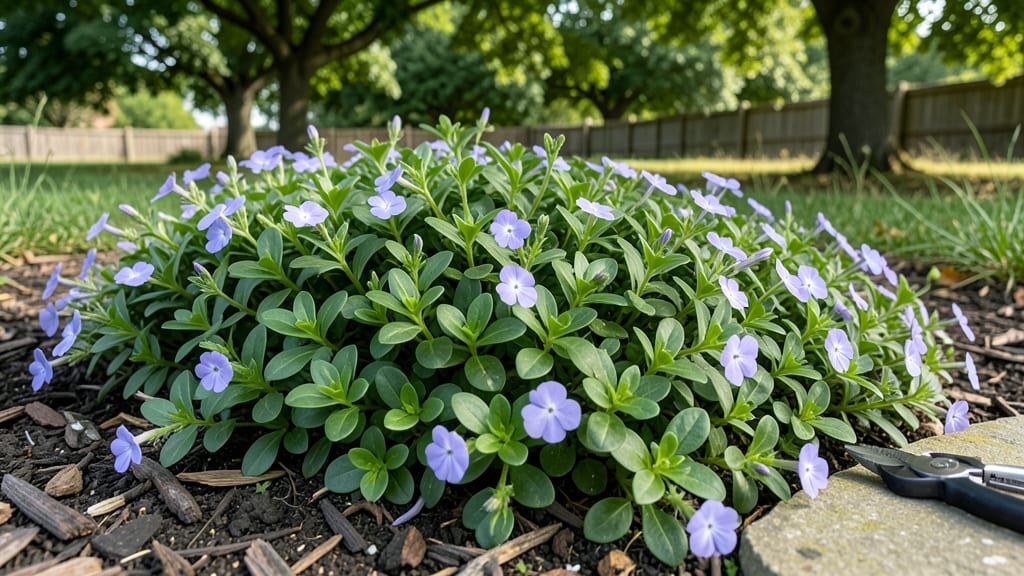
Growing periwinkle in sun or shade is easier than you think — these versatile plants adapt beautifully to almost any light condition once you pick the right variety for your garden.
Struggling to keep your garden vibrant year-round? Periwinkle plants thrive in both sun and shade, offering nonstop blooms with minimal effort — once you know the best varieties for your light conditions.
Whether it's the bright blue flowers of Vinca major or the delicate Vinca minor, these plants are the secret to a low-maintenance, colorful garden.
Sun-loving types like 'Illumination' burst with golden foliage when planted in full sun, while shade-tolerant varieties such as 'Argentea Variegata' shine in dappled light. The key is matching your garden's light to the right plant — and I'll show you how to do it without guesswork.
From soil prep to pruning tips, this guide covers everything you need to keep your periwinkle thriving, whether it's basking in morning sun or tucked under a tree's canopy. Let's get your garden blooming effortlessly all season long.
 Best Window Placement
Top 5 periwinkle varieties that thrive in sun or shade
Periwinkle (Vinca) is one of my favorite low-maintenance perennials because it handles sun or shade like a pro. Whether you have a bright border or a shady woodland garden, there’s a periwinkle variety that will reward you with year-round color.
The key is choosing the right type for your light conditions—some varieties bloom brighter in sun, while others thrive in deep shade. Let’s explore the top 5 sun-and-shade-tolerant periwinkles and how to make them shine in your garden.
I’ve tested these varieties in my own garden, from full-sun rockeries to north-facing shade beds, and each one delivers stunning blooms with minimal fuss. The secret? Matching the growth habit and foliage color to your space.
For example, Vinca major varieties like 'Illumination' love sun, while Vinca minor types like 'Argentea Variegata' thrive in shade. Let’s dive into the details so you can pick the perfect periwinkle for your garden’s light.
| Variety | Light Needs | Bloom Color | Foliage | Height | Best For |
|---|---|---|---|---|---|
| Vinca major 'Illumination' | Full sun to partial shade | Blue-violet with yellow centers | Deep green, glossy | 12–18 inches | Sunny borders, containers |
| Vinca minor 'Argentea Variegata' | Partial to full shade | Pale blue-purple | Variegated white/green | 6–12 inches | Woodland gardens, shade beds |
| Vinca major 'Gravitat' | Partial shade to sun | Deep purple | Dark green, trailing | 12–15 inches | Hanging baskets, slopes |
| Vinca minor 'Plena' | Full shade to partial sun | Double white blooms | Bright green, compact | 6–10 inches | Shady containers, ground cover |
| Vinca major 'Alba' | Sun to partial shade | Pure white | Glossy green | 12–18 inches | Cut flowers, sunny edges |
First up is Vinca major 'Illumination', my go-to for sunny spots. This variety loves 4+ hours of direct sun and produces vibrant blue-violet blooms with bright yellow centers that catch the eye.
The glossy green leaves stay lush all season, making it perfect for rock gardens or container plantings where you want a pop of color. In my experience, it blooms heaviest in full sun, but it won’t wilt in partial shade either—just expect slightly fewer flowers.
For shady areas, Vinca minor 'Argentea Variegata' is a game-changer. The variegated foliage—streaked with white and green—adds textural interest even when it’s not blooming. This variety thrives in deep shade and produces soft lavender-blue flowers that complement its striking leaves.
I’ve seen it flourish under large trees where other plants struggle. The key is keeping the soil moist but well-draining—shade-loving periwinkles hate soggy roots.
If you’re looking for a trailing periwinkle, Vinca major 'Gravitat' is a stunning option that works in both sun and shade. Its dark purple blooms and trailing habit make it ideal for hanging baskets or spilling over retaining walls.
In my garden, it’s the star of my east-facing planters, where it gets morning sun and afternoon shade. The dark green leaves provide a striking contrast to the flowers, and it’s drought-tolerant once established—perfect for low-maintenance spaces.
White lovers, rejoice: Vinca minor 'Plena' offers double white blooms that brighten up shady corners. This variety is a ground cover dream, spreading to form a dense mat of foliage. It’s my top pick for underplanting roses or filling gaps in shade gardens.
The compact size (just 6–10 inches tall) means it won’t overwhelm smaller spaces. Just be prepared for fewer blooms in deep shade—it still flowers, but the display is more subdued than in partial sun.
Finally, Vinca major 'Alba' is a sunshine lover with pure white blooms that stand out
How to maximize blooms: light, soil, and care tips for periwinkle
Periwinkle (Vinca) is one of the most adaptable plants for gardeners, thriving in both sun and shade while delivering year-round color. The key to maximizing those vibrant blue-purple blooms lies in understanding how light exposure affects your care routine.
Too much sun can cause leaf scorch, while too little shade may lead to leggy growth and sparse flowers. Let's break down how to adjust your approach based on your garden's conditions.
For sun-loving periwinkle varieties like Vinca major 'Illumination', you'll need to focus on consistent moisture and regular pruning to prevent stress. In shadier spots, where Vinca minor 'Argentea Variegata' excels, your watering frequency can relax slightly while still maintaining well-draining soil.
The good news? Periwinkle's adaptability means you can grow it almost anywhere with just a few simple adjustments.
🌱 Periwinkle Light & Care Quick Guide
3-6 hours daily
Weekly (deep soak)
Early spring only
After blooming season
🌿 Shade: Reduce watering by 20-30%
✂️ Both: Deadhead spent blooms for continuous flowers
Let's start with soil preparation, the foundation of healthy periwinkle. These plants prefer well-draining, slightly acidic soil with a pH between 6.0 and 7.0. In full sun locations, amend your soil with compost and perlite to improve drainage and prevent root rot from summer heat.
For shade-grown periwinkle, focus on adding organic matter like leaf mold or well-rotted manure to enrich the soil without compacting it.
Your watering schedule should shift dramatically based on light exposure. Periwinkle in full sun needs weekly deep watering—about 1 inch per week—to keep roots cool. I water mine early morning to reduce evaporation and fungal risks.
In shadier conditions, cut back to bi-weekly watering unless you're experiencing prolonged dry spells. Always check the top 1-2 inches of soil—if it's dry, it's time to water.
Pruning is where you can really boost flowering year after year. For sun-exposed periwinkle, I recommend light pruning after the main bloom season to encourage bushier growth. Simply trim back 1/3 of the oldest stems to promote new shoots.
In shadier conditions, focus on deadheading spent blooms regularly to redirect energy into more flowers rather than seed production. This simple habit can double your bloom count!
Fertilizing gets tricky with periwinkle because too much nitrogen leads to lush foliage at the expense of flowers. For sun-grown plants, apply a balanced 10-10-10 fertilizer in early spring only—about 1 tablespoon per plant.
Skip fertilizing in shade-grown periwinkle unless you notice pale leaves or slow growth, which might signal nutrient deficiency. A light application of compost in spring works wonders for shade plants.
Watch for these signs of light stress to keep your periwinkle thriving: Yellowing leaves or leaf scorch on edges indicate too much sun, while long, bare stems and few blooms mean it needs more light. If you notice mushy stems, you're likely overwatering in shade conditions.
The solution? Move your plant to a slightly sunnier spot gradually over 1-2 weeks, or provide afternoon shade with a sheer curtain if it's getting too intense.