
Plants
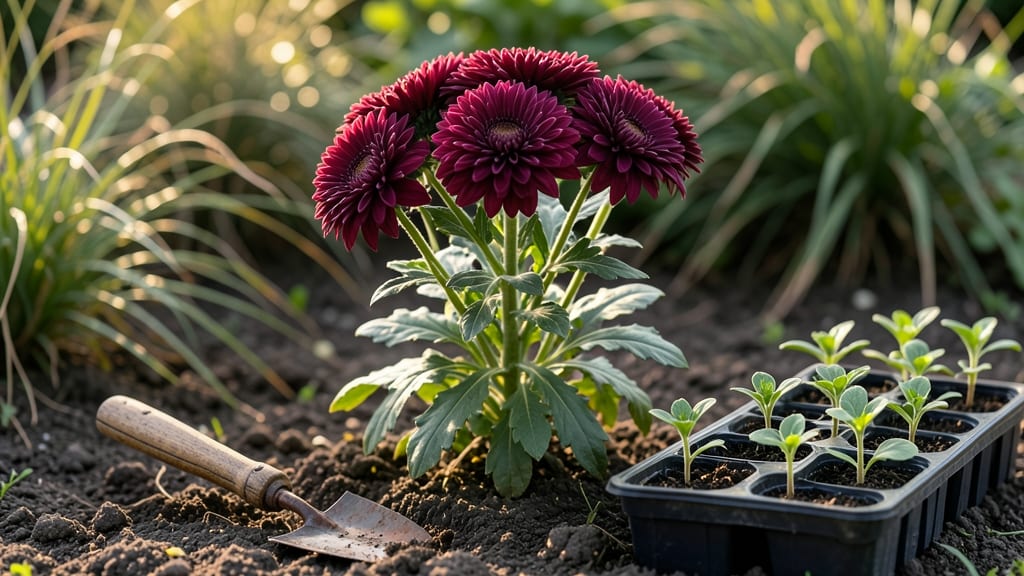
Planting mums in sun or shade makes all the difference between vibrant blooms and sad, sparse stems.
Chrysanthemums—better known as mums—are the showstoppers of fall gardens, but their blooms thrive only when planted in the right light conditions. Get the lighting wrong, and you’ll end up with leggy stems, sparse flowers, or even no blooms at all.
Most gardeners assume mums need full sun, but the truth is more nuanced. Some varieties actually prefer partial shade, especially in hot climates, while others thrive in bright, direct light. The key is matching the right mum to your garden’s conditions.
In this guide, I’ll break down the best light conditions for mums, how to prep your soil, and which varieties perform best in sun or shade—so you can enjoy longer, brighter blooms all season.
 Best Window Placement
Sun vs. shade requirements for mums: how light affects bloom quality
Light isn’t just a backdrop for your chrysanthemum plants—it’s the secret ingredient behind their vibrant blooms. Too much sun can scorch leaves, while too little shade leads to weak stems and fewer flowers. Understanding the balance is key to growing mums that steal the show every fall.
Most mum varieties thrive with 6+ hours of sunlight, but some shade-tolerant cultivars can handle just 3-4 hours. The difference? Color vibrancy, stem strength, and bloom density.
For example, 'Bright Lights' mums need full sun to maintain their bold colors, while 'Autumn Carousel' can adapt to partial shade with minimal compromise.
Here’s how light conditions transform mum growth:
| Light Condition | Sunlight Hours | Bloom Quality | Stem Strength | Best Varieties |
|---|---|---|---|---|
| Full Sun | 6+ hours | Vibrant, large blooms | Strong, upright | 'Pactolus,' 'Bright Lights' |
| Partial Sun | 3-6 hours | Moderate, slightly smaller | Moderate, may flop | 'Autumn Carousel,' 'Bonanza' |
| Partial Shade | 2-3 hours | Small, pale blooms | Weak, leggy | 'Shasta,' 'Dwarf Bonanza' |
🌼 Note: Adjust watering and fertilization to compensate for lower light levels.
In full sun, mums produce larger, brighter blooms with deeper colors. The trade-off? They need consistent watering to prevent leaf scorching. If your garden gets hot afternoon sun, consider afternoon shade to protect delicate petals.
For partial shade, expect smaller blooms and longer stems. This is common in woodland gardens or under large trees. To boost blooms, add a balanced fertilizer with phosphorus (the middle number in NPK) to encourage flowering.
Shade-loving mums like 'Bonanza' can handle 2-3 hours of sun but still need bright, indirect light. If your garden is deep shade, choose dwarf varieties like 'Shasta', which tolerate lower light better than standard types.
Color retention is another light-dependent factor. Red and orange mums fade faster in shade, while white and yellow varieties hold their hue longer. For example, 'Autumn Carousel' mums in partial shade may lose vibrancy compared to their sun-grown counterparts.
Pro tip: If your mums aren’t blooming, check their light exposure. Too little sun leads to all foliage, no flowers, while too much shade causes leggy growth. The solution? Rotate pots or prune nearby trees to increase light gradually.
For container gardening, place mums in south- or west-facing spots to maximize sunlight. If your balcony only gets morning sun, opt for shade-tolerant varieties like 'Dwarf Bonanza' and water more frequently to compensate for drier soil.
Remember: Light affects more than just blooms. It influences disease resistance, pest pressure, and even winter hardiness. Mums in full sun are hardier and less prone to fungal issues than those in dense shade, where humidity lingers.
Start by observing your garden’s light patterns. Use a sunlight tracker app to measure actual hours of direct light. Then, match your mum varieties to the light conditions they’ll receive.
With the right balance, your mums will bloom bigger, brighter, and longer—turning your fall garden into a colorful masterpiece. 🌻
How to adapt mum care for partial sun vs. full shade gardens
Mums in partial sun or full shade need different care to produce those vibrant fall blooms. The key is adjusting your soil prep, watering schedule, and fertilization to match the light they receive.
Without these tweaks, you might end up with leggy plants or no flowers at all—even if you planted the right variety.
First, let’s talk about soil preparation. Mums in shade need richer, moisture-retentive soil to compensate for lower light. Amend your garden bed with compost or peat moss to improve drainage and nutrient availability.
In full sun, focus on well-draining soil with added perlite or sand to prevent waterlogging, which can stress your plants.
- 1
- 2
- 3
- 4
- 5
Watering is another critical adjustment. Mums in shade need consistent moisture because they can’t photosynthesize as efficiently. Water them every 3-4 days, but always check the top inch of soil first—it should be slightly dry before watering again.
In full sun, water deeply every 2-3 days to encourage roots to grow downward, making them more drought-resistant.
When it comes to fertilization, shade-grown mums are sensitive to excess nutrients. Use a balanced 10-10-10 fertilizer at half-strength every 6 weeks during the growing season. For sun-loving mums, switch to a low-nitrogen, high-phosphorus fertilizer in late summer to promote blooming.
Avoid fertilizing in fall—it can stimulate late growth that won’t harden off before winter.
If your garden is shady all day, consider stretching sunlight exposure by moving container-grown mums to a sunnier spot for a few hours in the afternoon.
Prune leggy stems back by one-third to encourage bushier growth and more blooms. This trick works wonders for shade-tolerant varieties like 'Bonanza' or 'Autumn Carousel.'
Watch for common issues like yellowing leaves or no flowers. Yellow leaves usually mean overwatering in shade or poor drainage. No flowers? You might be over-fertilizing with nitrogen or not providing enough light. Adjust your care routine quickly—mums are resilient, but they need the right conditions to shine.