
Companion Plants
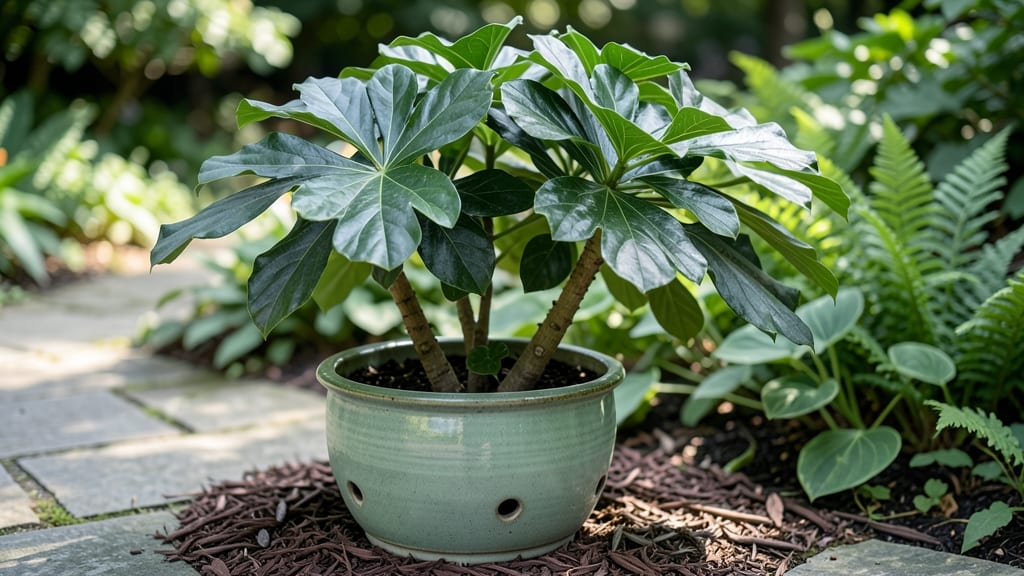
Shade-loving plants in pots can turn your darkest corner into a thriving green oasis—no direct sun required. 🌿 I’ve filled my covered patio with containers bursting with ferns, hostas, and impatiens that stay lush even under a tree canopy, and the secret isn’t complicated: the right plants, pots, and soil make all the difference.
The key is matching moisture-retentive soil (think peat or coconut coir mixes) with self-watering pots or those with drainage holes to prevent soggy roots. My go-to combo? 14-inch terracotta pots for structure and fabric grow bags for flexibility—they breathe better and keep roots from overheating in summer.
Just avoid glossy plastic; it traps heat and stresses plants. What you’ll end up with is a year-round display that blooms in spring, stays green through summer, and often surprises with winter interest.
The trick is layering textures—try pairing velvety heuchera with spiky asparagus fern—and choosing varieties that tolerate humidity (like calatheas) or dry spells (like snake plants). Works for patios, balconies, or even under eaves—just adjust watering based on your shade level.
Here’s how to pick the perfect plants for your light conditions!
📚 In This Guide
- What you need
- Instructions
- Tips and common mistakes
- Wrapping up and next steps
What you need
- ● Containers: 3–5 drainage-friendly pots (10–12" diameter) – terracotta, ceramic, or fabric grow bags work best. Pro tip: 💡 Add a saucer for water retention!
- ● Soil: 1–2 bags of well-draining potting mix (look for labels like "organic" or "moisture-control"). Avoid garden soil—it compacts easily!
- ● Plants: 3–5 shade-tolerant varieties (e.g., snake plant, pothos, ferns, or calatheas). Check their light needs—most thrive in indirect light.
- ● Drainage: Small pebbles or broken pottery shards (1 cup per pot) to prevent root rot.
- ○ Gloves (optional but handy for messy soil!)
- ● Trowel or spoon for planting and mixing soil.
- ● Spray bottle (for misting ferns or humidity-loving plants).
- ● Fertilizer: Slow-release granules or liquid feed (balanced 10-10-10 or organic options).
- ○ Optional: Decorative pebbles, moss, or a self-watering pot system for a polished look!
Step-by-step guide to selecting and cultivating shade-tolerant plants in containers
Here’s how to transform dim corners into vibrant, low-maintenance green spaces with the right plant-pot combinations.
🪴 Step 1: Choose the Right Pots for Low-Light Conditions
Opt for containers with drainage holes—shade-loving plants like ferns and hostas despise soggy roots. I prefer glazed ceramic or plastic pots because they retain moisture longer without overheating in indirect light. For 4 plants, a 6-8 inch diameter per pot balances root space and aesthetics. Avoid black pots—they absorb heat and can stress plants in low-light conditions.
Terracotta pots wick moisture quickly, which works for drought-tolerant shade plants like cast iron plants, but most prefer consistently damp soil. If using terracotta, place pots on elevated saucers to prevent root rot. Group pots together to create a microclimate—this stabilizes humidity and reduces temperature fluctuations.
🌱 Step 2: Select Shade-Tolerant Plants That Thrive in Containers
For year-round greenery, prioritize plants that tolerate 2-6 hours of indirect light daily. My top picks for 4 pots: hostas (for lush foliage), calatheas (for striking patterns), peperomias (for drought tolerance), and fittonia (for vibrant veined leaves). Each has distinct care needs—hostas need moist, well-draining soil, while peperomias prefer slightly drier conditions.
Check plant tags for light requirements—some labeled "partial shade" may still need bright, indirect light. If your space is very dim, opt for snake plants or ZZ plants, which thrive in near-darkness but grow slower. Avoid sun-lovers like succulents or coleus—they’ll stretch and yellow in low light.
💧 Step 3: Prepare Soil and Watering for Low-Light Success
Use a lightweight, peat-based potting mix amended with 20% perlite or orchid bark to improve drainage. Shade plants root more slowly, so amend with slow-release fertilizer (like 5-10-5) at planting to fuel growth. For 4 pots, mix 1 part compost into 3 parts potting mix—this boosts nutrient density without compacting soil.
Water when the top inch of soil feels dry—shade plants need less frequent watering than sun-lovers, but their soil dries slower. I water every 5-7 days in winter and every 3-4 days in summer, adjusting for humidity. Overwatering is the #1 killer—yellowing leaves signal soggy roots, while crispy edges mean underwatering.
☀️ Step 4: Position Pots for Optimal Indirect Light
Place pots within 3 feet of a north- or east-facing window for bright, indirect light. South-facing windows work if you use sheer curtains to diffuse harsh rays. Rotate pots quarter-turn weekly so plants grow evenly—shade plants lean toward light sources, creating lopsided growth.
If your space is truly dark, supplement with a 12-inch LED grow light on a 12-hour timer. Focus on blue spectrum bulbs, which promote foliage growth. Avoid placing pots near AC vents or drafty areas—temperature swings stress shade plants, causing leaf drop.
🌿 Step 5: Maintain Health Through Pruning and Fertilizing
Trim yellow or damaged leaves immediately to redirect energy to healthy growth. For hostas and calatheas, pinch back leggy stems in spring to encourage bushier growth. Peperomias benefit from monthly pruning to maintain compact shapes—just snip above a leaf node with sterilized scissors.
Fertilize every 6-8 weeks with a balanced liquid fertilizer (like 10-10-10) diluted to half strength. Shade plants absorb nutrients slower, so less is more—overfertilizing burns roots. In winter, reduce feeding to once every 2 months as growth slows. Watch for pale new leaves—a sign of nutrient deficiency or root-bound plants.
Tips & tricks for perfect low-light container gardens
Here's what nobody tells you about keeping your shade plants thriving in containers without the guesswork.
Container Material Matters: Glazed ceramic pots hold moisture perfectly for hostas and calatheas, but terracotta's porous nature suits drought-tolerant peperomias better. The key is matching the pot to your plant's needs—never assume one material works for all. For the 4 plants in your setup, I recommend mixing materials: ceramic for moisture-loving varieties and terracotta for drier-soil plants like fittonia.
Light Positioning Secrets: That 3-foot rule for north/east windows is non-negotiable, but here's the trick: if your space gets only 2-6 hours of indirect light, position taller plants (like snake plants) toward the window and shorter ones behind them. This creates a natural light gradient where each plant gets its ideal exposure without competition. Rotate your 4 pots quarter-turn weekly to prevent lopsided growth—trust me, your plants will thank you with even foliage.
Soil Science for Shade: The 20% perlite/orchid bark amendment isn't just about drainage—it prevents compaction in containers where roots have limited space. For the 4 pots, I add an extra 1/4 inch layer of orchid bark on top of the mix. This top layer helps regulate moisture evaporation while keeping roots cool, which is especially important for shade plants that don't get direct sun to warm them.
Pruning Precision: When trimming yellow leaves, always cut at a 45-degree angle just above a leaf node. This encourages new growth from the exact spot you pruned, rather than leaving a stub that can rot. For peperomias, I use sterilized scissors to snip above the node, then propagate the cutting in water—it's a great way to expand your collection without spending money.
Pro Tips for Plants Pots Shade
- Here's what nobody tells you about keeping your shade plants thriving in containers without the guesswork.
- Container Material Matters: Glazed ceramic pots hold moisture perfectly for hostas and calatheas, but terracotta's porous nature suits drought-tolerant peperomias better.
- This creates a natural light gradient where each plant gets its ideal exposure without competition.
Frequently asked questions
Got questions about keeping your plants in pots thriving in shade? You’re not alone! Here are answers to the most common queries—because even low-light greenery deserves a little TLC.
What are the best plants for pots in full or partial shade?
Opt for hostas, heucheras, fern varieties, or calatheas—they’re shade superstars! For pots, snake plants or ZZ plants handle neglect beautifully. Check soil needs: ferns love moisture, while succulents (like haworthias) need gritty, well-draining mixes.
How often should I water shade-loving potted plants?
Shade plants dry slower, but overwatering kills roots. Stick your finger 1–2 inches into soil—water when it’s dry. Most thrive with weekly checks in summer, but reduce to biweekly in winter. Pro tip: Use pots with drainage holes and saucers to catch excess water!
Can I use regular potting soil for shade plants?
Not always! Amend with peat moss or coconut coir for moisture retention, or add perlite for aeration if your plant prefers drier soil (like hostas). For tropicals (e.g., philodendrons), a 50/50 mix of potting soil and compost works wonders.
Why are my shade plants’ leaves turning yellow?
Yellow leaves often signal overwatering or nutrient deficiency. Check drainage first—soggy roots = trouble. If soil is dry, it might be underwatering or low light. Feed with a balanced liquid fertilizer (10-10-10) every 4–6 weeks in growing season. Brown edges? Could be salt buildup—rinse soil gently.
Do I need special pots for shade plants?
Not necessarily! Just ensure pots have drainage holes and match your plant’s size (too big = soggy soil). Terracotta wicks moisture (great for thirsty ferns), while plastic retains humidity (ideal for calatheas). Color matters too: Dark pots absorb heat—opt for lighter shades in hot climates.
How can I revive a struggling shade plant in a pot?
Start with pruning dead leaves and repotting if roots are circling. Adjust watering (let soil dry between waterings) and move to bright, indirect light (e.g., near a north-facing window). Feed with half-strength fertilizer and monitor for pests like spider mites—spray with neem oil if needed.
Wrapping up and next steps
Transforming your space with low-light plants in stylish pots is easier than you think! 🌿 From ferns to snake plants, these shade-loving greens bring life to dim corners while requiring minimal fuss.
Whether you’re a seasoned gardener or just starting, the key is choosing the right plants, pots, and care routine—and you’ve got all the tools to succeed.
Ready to green up your home? Start by picking one or two plants from this list, grab a cozy pot, and give them the love they deserve. Watch your space thrive—one leafy step at a time!