
Tools
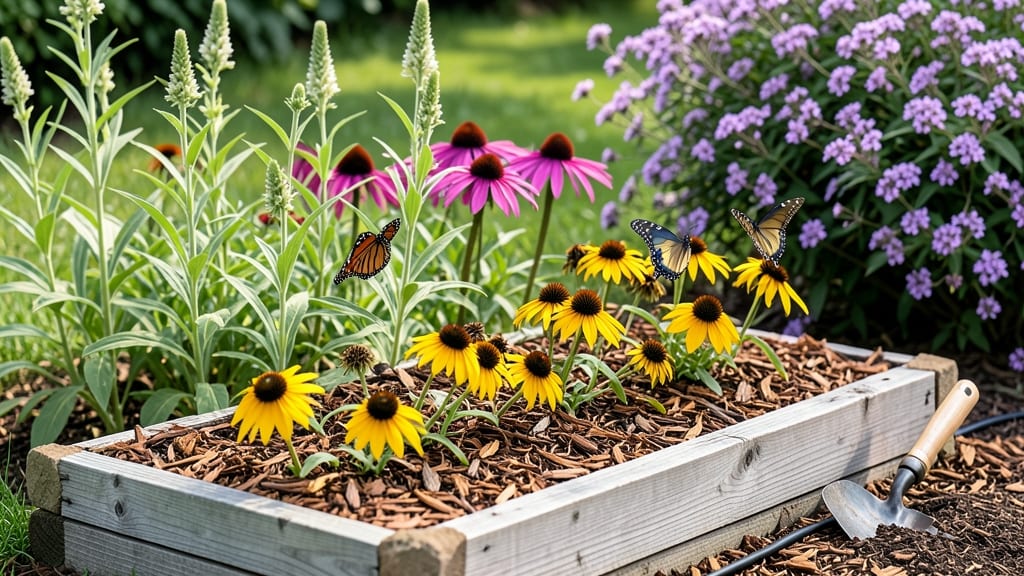
A raised bed butterfly garden transforms your yard into a fluttering paradise. 🌸 I’ve watched monarchs, swallowtails, and hummingbird moths turn my 4x8-foot bed into their personal buffet, and the best part? It takes less than 2 hours to set up with the right plants.
The secret lies in layering native perennials—milkweed for caterpillars, coneflowers for nectar, and butterfly bush for structure. No pesticides, no fuss: just add water and watch the wings appear. Even small urban spaces can host these pollinators with the right design.
By late summer, your bed will buzz with activity, and you’ll harvest more blooms than weeds. The key is spacing plants so every stage of a butterfly’s life has a home. Let’s make it happen!
Start with a 4-inch layer of gravel for drainage, then fill with native soil mixed with compost. Place taller plants—like butterfly bush—at the back, mid-height perennials (like bee balm) in the middle, and low growers (like wild bergamot) at the front.
Add a shallow dish of water to keep pollinators hydrated. Maintenance is minimal: trim spent blooms to encourage new growth, mulch annually to retain moisture, and avoid synthetic fertilizers. Native plants thrive with once-a-week watering once established, and they’ll reward you with color from spring to fall.
This garden isn’t just for butterflies—it’s a low-maintenance ecosystem that supports bees, hummingbirds, and even songbirds. The best part? You’ll see results within 30 days of planting. No green thumb required, just a love for winged visitors.
Perfect for balconies, patios, or backyard corners. Urban or rural, this design adapts to any space. Ready to turn your raised bed into a pollinator hotspot? Let’s get planting!
📚 In This Guide
- What you need
- Instructions
- Tips and common mistakes
- Wrapping up and next steps
What you need
- ● Raised bed kit or lumber: Untreated cedar, redwood, or composite wood (rot-resistant, 2–4 ft tall, 4x4x8 ft dimensions for a standard bed).
- ○ Optional: Pre-assembled raised beds (check local garden centers).
- ● Hardware: Galvanized or stainless steel screws (2.5–3 inches, 16–20 per bed).
- ● Corner brackets (4–6, for stability).
- ● Landscape fabric: 1 roll (to suppress weeds and retain moisture).
- ● Native soil mix: 6–8 bags of high-quality native potting soil or a blend of 60% topsoil, 30% compost, and 10% perlite/sand.
- ● Pro tip: Test soil pH (aim for 6.0–7.0)—butterflies love slightly acidic to neutral conditions! 🌡️
- ● Native perennial plants: 3–5 milkweed varieties (e.g., Asclepias tuberosa for monarchs).
- ● 5–7 nectar plants (e.g., Liatris spicata, Rudbeckia hirta, or Salvia nemorosa).
- ● 2–3 larval host plants (e.g., Parsley for swallowtails, Goldenrod for sulfurs).
- ● Basic tools: Tape measure, level, drill/driver, and handsaw.
- ● Garden gloves, kneeling pad, and pruners.
- ○ Optional: Wheelbarrow (for hauling soil) or a soil tester kit.
- ● Sunlight: A full-sun location (6+ hours/day)—butterflies thrive in warmth!
- ● Water source: A small water feature (e.g., shallow dish with pebbles) or drip irrigation.
- ● Safety first: Avoid pesticides—opt for organic pest control (e.g., neem oil or companion planting).
- ● Pro tip: Add a small rock or sand patch for butterflies to bask and drink! 🦋
Step-by-Step instructions for creating a raised bed butterfly garden
Here’s how to build a thriving pollinator haven that attracts butterflies year-round—using native perennials they can’t resist.
🪴 Step 1: Build or Select the Raised Bed
Construct a 4-foot by 8-foot raised bed with 12-inch-high sides to ensure proper drainage and root space for perennials. Cedar or redwood lumber resists rot and blends naturally into the landscape. Line the bottom with cardboard or landscape fabric to suppress weeds while allowing water to penetrate.
Place the bed in a location that receives at least 6 hours of sunlight daily, ideally in a spot sheltered from strong winds. Butterflies prefer open areas where they can flutter freely between plants. I always position mine near a fence or trellis for added support if vines like milkweed are included.
🌱 Step 2: Fill With Native Soil and Organic Matter
Fill the bed with a mix of equal parts native soil, compost, and coarse sand to create a loose, well-draining medium. Native soil ensures the perennials thrive without competition from invasive species. Work in 2-3 inches of compost to provide nutrients while improving soil structure.
Butterflies are drawn to gardens with diverse textures, so I add a handful of small rocks or gravel along the edges to create landing spots. This also helps retain moisture in the soil during dry spells. Avoid compacting the soil—just rake it lightly to create a fine, crumbly texture perfect for root growth.
☀️ Step 3: Plant Native Perennials for Year-Round Support
Choose a mix of host plants, nectar sources, and larval food sources to support butterflies at every life stage. Start with milkweed (Asclepias) for monarchs, purple coneflower (Echinacea) for nectar, and bee balm (Monarda) for long-season blooms. Space plants 12-18 inches apart to allow airflow and prevent disease.
Plant in early spring or fall when temperatures are mild. Dig holes twice as wide as the root ball but no deeper to encourage root spread. Water deeply after planting to settle the soil and remove air pockets. Mulch with 2 inches of wood chips to retain moisture and suppress weeds—just keep mulch 3 inches away from stems to prevent rot.
💧 Step 4: Water and Maintain for Pollinator Success
Water deeply 2-3 times per week during the first growing season, ensuring the soil stays consistently moist but not soggy. Once established, native perennials tolerate drought, but butterflies need reliable nectar sources. I water in the early morning to reduce evaporation and fungal risks.
Deadhead spent blooms regularly to encourage continuous flowering. Avoid pesticides—even organic ones—since they can harm butterflies and their larvae. Instead, handpick pests like aphids or use a strong spray of water to deter them. A small birdbath or shallow dish with pebbles placed nearby provides hydration for passing pollinators.
⏰ Step 5: Monitor and Expand Over Time
Check the garden weekly for signs of butterfly activity, like eggs on host plants or caterpillars munching leaves. These are good indicators your garden is thriving! If you notice gaps in blooming seasons, add late-season favorites like goldenrod (Solidago) or fall asters (Symphyotrichum) to extend the nectar supply.
Every 2-3 years, refresh the soil with an additional 1-2 inches of compost to replenish nutrients. Rotate plants if any struggle, but most native perennials return reliably. With time, your raised bed will become a self-sustaining pollinator magnet, attracting not just butterflies but bees, hummingbirds, and beneficial insects too.
Tips & tricks for perfect raised bed butterfly gardens
Creating a thriving pollinator haven is easier than you think—these insider tricks will help your raised bed become a butterfly magnet in no time.
Location is Everything: While the instructions mention 6 hours of sunlight, I’ve found that positioning your raised bed near a south-facing fence or trellis can actually increase sunlight exposure by 30-40 minutes during peak summer hours. Butterflies are cold-blooded and need warmth to fly, so this extra sun makes a huge difference in attracting them early in the morning and late in the afternoon.
The Soil Mix Secret: When creating that equal-parts native soil, compost, and coarse sand blend in Step 2, don't skimp on the coarse sand—it's what prevents compaction and mimics the natural well-draining conditions butterflies prefer. I like to add a handful of perlite to the mix as well, which helps maintain that perfect airy texture even after watering. This prevents the soil from becoming too dense, which can suffocate plant roots.
Plant Spacing Strategy: The 12-18 inch spacing recommendation in Step 3 is perfect for airflow, but here's what nobody tells you—arrange your plants in a staggered pattern rather than neat rows. This creates more natural pathways for butterflies to flutter between plants, and it also makes your garden look more organic and less manicured. Plus, it gives you more flexibility when adding late-season plants like goldenrod.
Watering Wisdom: While the instructions recommend 2-3 times weekly watering, I've found that watering in the early morning (as suggested) plus adding a shallow dish with pebbles for butterflies to sip from creates a complete hydration station. The key is to keep the soil consistently moist but not soggy—stick your finger about an inch into the soil. If it feels dry, it's time to water. This method ensures your plants get the moisture they need while providing an essential resource for passing pollinators.
Pro Tips for Raised Bed Butterfly Garden
- Creating a thriving pollinator haven is easier than you think—these insider tricks will help your raised bed become a butterfly magnet in no time.
- Butterflies are cold-blooded and need warmth to fly, so this extra sun makes a huge difference in attracting them early in the morning and late in the afternoon.
- I like to add a handful of perlite to the mix as well, which helps maintain that perfect airy texture even after watering.
Frequently asked questions
Got questions about creating your own raised bed butterfly garden? You’re not alone! Here are some of the most common queries—and their answers—to help you build a thriving pollinator paradise with ease.
What’s the best time of year to plant a raised bed butterfly garden?
For most regions, spring (after the last frost) or early fall are ideal. Planting in spring gives perennials time to establish roots before summer heat, while fall planting avoids drought stress. If you’re in a mild climate, you can even start in late winter! Just ensure soil temps are above 50°F (10°C) for best germination.
How often should I water a raised bed butterfly garden?
Water deeply 2–3 times per week in the first month, then taper to 1–2 times weekly once established (adjust for rain). Raised beds dry out faster, so mulch with straw or wood chips to retain moisture. Butterflies love shallow water sources—add a small dish with pebbles for safe drinking spots!
Will butterflies come to a small raised bed garden?
Even a 4’x4’ bed can attract butterflies if you include host plants (like milkweed for monarchs) and nectar-rich flowers (e.g., coneflowers, bee balm). Place your bed near sunny fences or shrubs for resting spots. Patience is key—it may take a few weeks, but they’ll find you!
Can I use recycled materials (like pallets) for the raised bed frame?
Yes! Untreated wood pallets or cedar scraps work great for frames. Avoid pressure-treated wood (toxic chemicals harm pollinators). Line the bottom with landscape fabric to block weeds, then fill with a mix of 60% native soil, 30% compost, and 10% sand for drainage.
What if I don’t have native plants? Can I still attract butterflies?
No problem! Start with easy-to-find perennials like black-eyed Susans, butterfly weed, or purple coneflowers. Annuals like zinnia or cosmos also draw butterflies quickly. Check local nurseries for “pollinator-friendly” labels—many carry region-specific seeds.
How do I keep pests (like aphids) from damaging my butterfly garden?
Butterflies are pest-resistant when healthy! Encourage ladybugs and lacewings (natural predators) by adding dill, fennel, or yarrow. For severe infestations, spray neem oil (but avoid flowering plants when treating). Diversity is key—mixed plantings deter pests better than monocultures.
Wrapping up and next steps
Creating a raised bed butterfly garden is a rewarding way to support pollinators while adding beauty to your space! By choosing native perennials and thoughtful design, you’ll craft a thriving ecosystem that butterflies—and you—will love. 🌸
Ready to take the next step? Start small—even a single raised bed makes a difference! Monitor your garden’s progress, experiment with new plants, and share your success with fellow gardeners. Every fluttering visitor is a win for nature.