
Planting
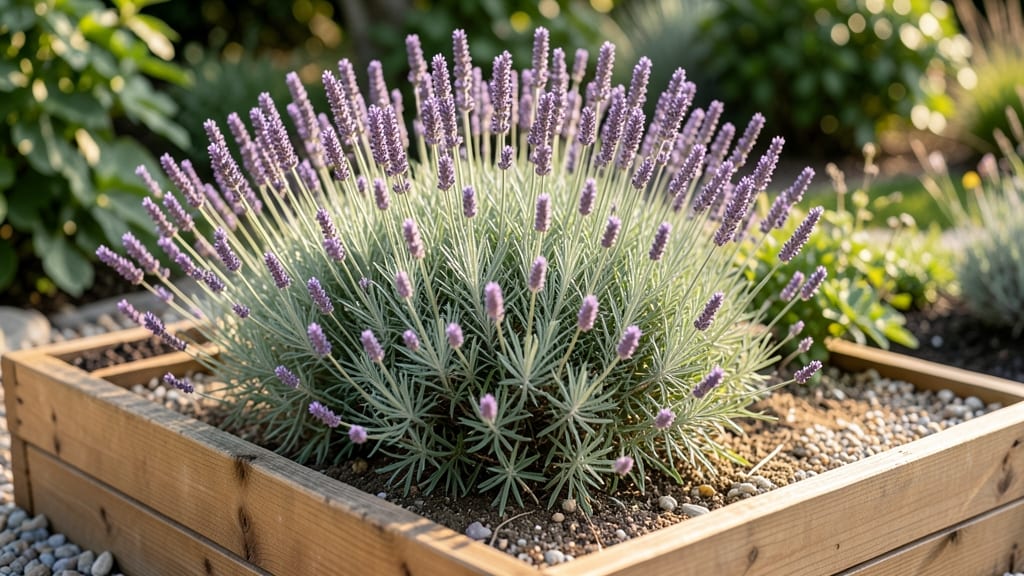
A raised bed for lavender transforms your yard into a fragrant purple haven that thrives where other plants struggle. 🌿 I learned the hard way that lavender demands perfect drainage—something regular garden beds often fail at.
The difference between a lush, blooming lavender patch and one that turns to mush after rain comes down to how you set up that bed. You’ll need 4-foot-wide beds (lavender hates crowded roots) filled with sandy, gritty soil mixed with perlite or coarse sand.
My go-to ratio is 60% garden soil, 30% compost, and 10% perlite, plus a handful of gravel at the bottom for extra drainage. The payoff? Plants that stay healthy through summer droughts and resist root rot like a champ.
By late summer, you’ll be harvesting fragrant stems for sachets or drying bundles that fill your home with that signature lavender scent. The fragrance alone makes the effort worth it, but the disease resistance and low-maintenance nature of raised-bed lavender seals the deal.
This method works for both English and French lavender varieties, whether you’re in a hot, dry climate or a cooler region with well-drained soil. Let’s get that bed built—your future bouquets are waiting!
📚 In This Guide
- What you need
- Instructions
- Tips and common mistakes
- Wrapping up and next steps
What you need
- ● Raised bed frame: Untreated wood (cedar or redwood recommended) – 4x 8-foot boards (2x6 or 2x8 inches thick) or pre-made kit
- ● OR metal, composite, or recycled plastic raised bed (ensure it’s at least 6–12 inches deep)
- ● Soil & amendments: High-quality garden soil or potting mix (avoid heavy clay)
- ● Coarse sand or perlite (1–2 parts per 3 parts soil) for drainage
- ○ Gravel or small rocks (2–3 inches layer at the bottom) – optional but highly recommended
- ● Compost or well-rotted manure (1 part per 4 parts soil)
- ● Lavender plants: 3–5 plants per square foot (spaced 12–18 inches apart)
- ● Choose English, French, or Spanish lavender (check hardiness zone compatibility)
- ● Tools: Measuring tape & pencil
- ● Screwdriver or drill (for wood frames)
- ● Shovel or garden fork
- ● Garden gloves & knee pads
- ● Watering can or hose with a gentle spray nozzle
- ● Landscape fabric (to block weeds if using gravel)
- ● Mulch (gravel or pine straw – lavender hates organic mulch!)
- ● Drip irrigation system (for consistent moisture)
- ● Edging stones or bricks (to define the bed neatly)
- ● Sunlight meter (to confirm 6+ hours of full sun)
Step-by-step instructions for building a raised bed for lavender
Here's how I create the perfect lavender haven—fragrant, well-drained, and built to last.
🪴 Step 1: Choose and Prepare the Location
Lavender thrives in full sun with at least 6-8 hours daily, so pick a south-facing spot with no afternoon shade. Avoid low areas where cold air settles—lavender hates soggy roots. I always test the drainage by digging a 6-inch hole and filling it with water; if it doesn’t drain within 30 minutes, raise the bed higher or amend the soil.
Clear the area of weeds and grass, then loosen the soil to a depth of 12 inches with a broadfork. This prevents competition and improves root penetration. If your soil is heavy clay, mix in 2 inches of coarse sand or 1 inch of perlite to lighten it—lavender roots need air, not suffocation.
🪴 Step 2: Build the Raised Bed Frame
Use untreated cedar or redwood lumber (2x6s or 2x8s) for a 4-foot by 8-foot bed, with sides 12-18 inches high. I like cedar because it naturally resists rot and pests. Cut four corners at 45-degree angles for stability, then assemble with 3-inch deck screws—no nails, which can rust and damage the wood.
Line the bottom with landscape fabric to block weeds but allow drainage. If your bed is taller than 12 inches, add 4-inch drainage holes spaced 12 inches apart along the bottom edges. This prevents waterlogging, which is lavender’s #1 killer. Leave a 2-inch gap between the bed and any permanent structures to avoid moisture buildup.
🌱 Step 3: Fill the Bed with the Right Soil Mix
Fill the bed ⅓ full with coarse gravel or broken pottery shards for drainage—this is non-negotiable for lavender. Next, add a 4-inch layer of sharp sand (like builder’s sand) to further improve drainage. Top this with a 6-inch layer of well-draining potting mix blended with 20% perlite or pumice—never garden soil, which compacts and holds too much moisture.
Leave 2 inches of space at the top for mulch. I like to add a slow-release organic fertilizer (like 5-5-5) mixed into the top 4 inches of soil. This gives lavender a steady nutrient supply without risking root burn from over-fertilizing. Water the mix lightly before planting to settle it without creating puddles.
☀️ Step 4: Plant Lavender Correctly for Long-Term Health
Space lavender plants 18-24 inches apart in rows 24 inches apart to allow airflow and prevent fungal diseases. Dig a hole twice as wide as the root ball but only as deep as the container—planting too deep suffocates the roots. Gently loosen the root ball if it’s tightly packed before placing it in the hole.
Backfill with the soil mix, pressing lightly to remove air pockets but not compacting. Water deeply right after planting to encourage root spread, then let the soil dry out completely before watering again. Mulch with 1 inch of gravel or coarse sand (never organic mulch—it retains too much moisture). This keeps roots cool in summer and prevents rot.
✂️ Step 5: Maintain for Fragrant, Long-Lived Lavender
Water lavender only when the top 2 inches of soil are dry—overwatering is the fastest way to kill it. Once established, lavender is drought-tolerant and thrives on neglect. Prune lightly after flowering by cutting back ⅓ of the current year’s growth to encourage bushiness. Never prune into old wood, or you’ll leave bare stems.
Fertilize once a year in early spring with a low-nitrogen, high-phosphorus formula (like 2-10-10) to promote blooms. Divide mature plants every 3-5 years in early spring to rejuvenate them. If your lavender starts looking leggy or sparse, it’s time to refresh—don’t wait until it’s too late.
Tips & tricks for perfect raised bed lavender
Here's what nobody tells you about creating the ideal lavender sanctuary—details that make all the difference between thriving plants and disappointing failures.
Sunlight Secret: While the instructions mention 6-8 hours of sun, I've found lavender actually performs best with full sun exposure (8+ hours) in hotter climates. If you're in a cooler region, you can get away with 6 hours, but watch for leggy growth. Position your bed to catch morning sun first—this helps prevent afternoon wilting during summer heat.
Drainage Double-Check: That 30-minute drainage test in Step 1 is non-negotiable, but I take it one step further by testing again after filling the bed. After adding gravel and sand layers, pour 2 gallons of water and time how long it takes to drain completely. If it takes longer than 45 minutes, add another 2-inch layer of gravel or consider raising your bed even higher. Proper drainage is lavender's lifeline.
Soil Mix Upgrade: While the 6-inch potting mix layer is excellent, I blend in an extra 10% horticultural charcoal into the top 4 inches. This helps prevent fungal issues and keeps the soil loose for those shallow lavender roots. The charcoal also creates a natural air pocket system that mimics lavender's native Mediterranean environment. Use only high-quality potting mix—cheap blends often contain too much peat that retains moisture.
Planting Precision: When loosening that root ball in Step 4, I go a step further by trimming any circling roots with clean shears. This encourages outward growth rather than girdling. Also, if your plants come in plastic pots, score the sides before removing them—this prevents root shock. I've seen lavender plants recover from rough handling, but never from compacted roots that can't spread properly.
Pro Tips for Raised Bed For Lavender
- Here's what nobody tells you about creating the ideal lavender sanctuary—details that make all the difference between thriving plants and disappointing failures.
- Sunlight Secret: While the instructions mention 6-8 hours of sun, I've found lavender actually performs best with full sun exposure (8+ hours) in hotter climates.
- Drainage Double-Check: That 30-minute drainage test in Step 1 is non-negotiable, but I take it one step further by testing again after filling the bed.
Frequently asked questions
Got questions about growing lavender in raised beds? You’re not alone!
Here are answers to the most common queries to help you cultivate fragrant, thriving plants with ease.
What’s the best soil mix for lavender in a raised bed?
Lavender thrives in well-draining, alkaline soil with a pH of 6.5–7.5. Mix 50% garden soil, 30% coarse sand or perlite, and 20% compost (avoid fresh manure—it’s too rich!). Add a handful of crushed limestone to boost alkalinity if your soil leans acidic. Test your soil first!
When is the best time to plant lavender in a raised bed?
Plant lavender in early spring or late fall when temperatures are mild (50–75°F). Avoid summer heatwaves—lavender hates soggy roots and struggles in extreme temps. If starting from cuttings, do so in spring for the best root establishment. Check your USDA zone!
Can I grow lavender in a raised bed without sunlight?
Lavender is a sun-worshipper—it needs 6–8+ hours of direct sunlight daily. In shady spots, it’ll grow leggy, flop over, and produce fewer blooms. If your raised bed is partially shaded, choose dwarf varieties like ‘Hidcote’ or supplement with a grow light (12–14 hours/day) for indoor containers. Try a south-facing bed!
Why is my raised bed lavender dying? Common issues and fixes.
Yellowing leaves? Overwatering (lavender hates wet feet—water only when the top 2 inches of soil are dry). Brown tips? Underwatering or chlorine in tap water (use rainwater or let tap water sit 24 hours). No blooms? It may need more sun or pruning. Pests like spider mites? Spray with neem oil or introduce ladybugs. Diagnose with this checklist!
Are there low-maintenance lavender alternatives for raised beds?
If lavender seems high-maintenance, try these fragrant, drought-tolerant raised-bed pals:
- Rosemary: Thrives in poor soil, loves heat, and stays woody.
- Thyme: Edible, spreads easily, and attracts pollinators.
- Russian Sage: Purple blooms, deer-resistant, and drought-proof.
- Catmint: Long-blooming, pest-repellent, and self-seeds.
Wrapping up and next steps
Growing lavender in a raised bed is a rewarding way to enjoy its fragrant beauty while keeping pests at bay and improving drainage. With the right soil, sunlight, and care, your purple blooms will thrive year-round—adding elegance and a soothing scent to your garden.
Now that you’re equipped with tips and answers, roll up your sleeves and start planting! 🌱✨
🌿 Next Steps:
- Pick your lavender variety and order seeds or plants today.
- Prep your raised bed—refer back to our guide for a stress-free setup.
- Share your progress with the gardening community for extra motivation!